






Blog
Why Is My Breaker Tripping?
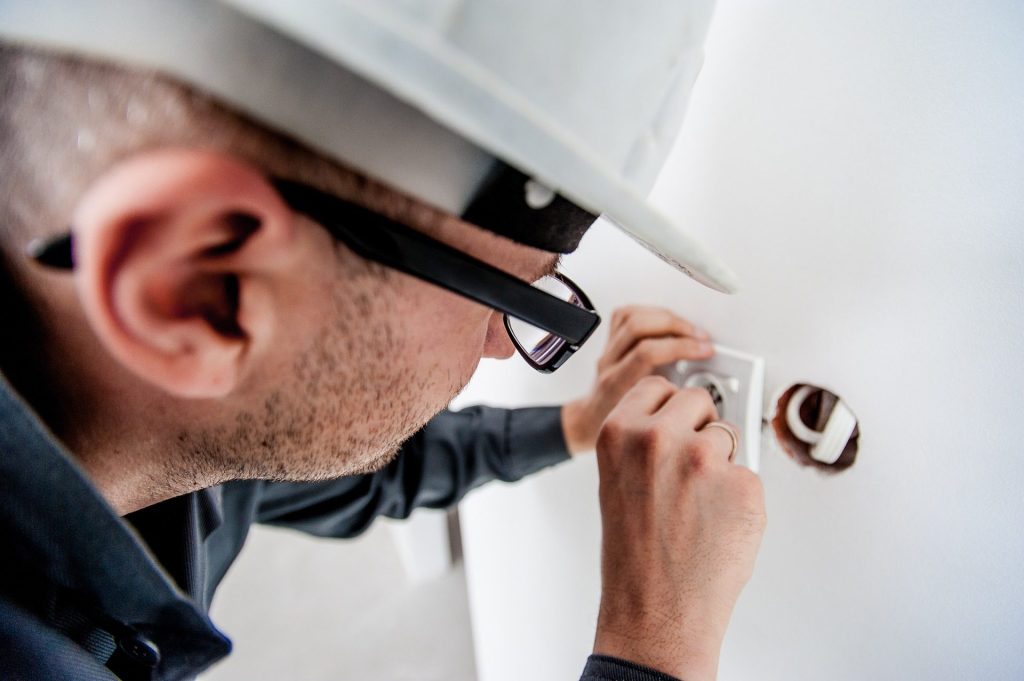
If your breaker is tripping repeatedly, it is shutting the circuit down because something is wrong. Common causes include too much electrical load, a faulty appliance, damaged wiring, a short circuit, or a ground fault.
One trip after plugging several high-demand devices into the same circuit points in a different direction than a breaker that trips every time you reset it.
What Does It Mean When a Breaker Trips?
Your circuit breaker shuts off power when it detects an unsafe electrical condition. That protects the circuit wiring from carrying current beyond what it was designed to handle.
Look for a breaker sitting between the On and Off positions, not just one that looks completely off. Resetting it restores power, but it does not correct the problem that caused the trip.
Reasons Your Circuit Breaker Could Be Tripping
While an inspection is the best way to determine why your breaker is tripping, here are some of the common reasons we see frequent breaker trips in Illinois homes.
1. The Circuit Is Overloaded
An overloaded circuit has too many electrical devices drawing power at the same time. A space heater running with a hair dryer or several kitchen appliances on one circuit is a common example.
You might notice lights dimming, buzzing, or a wall plate getting warm before the breaker trips. Unplug one of the high-demand devices rather than repeatedly resetting the breaker.
Never install a higher-amp breaker just to stop the trips. The breaker has to match the wiring and equipment on that circuit.
2. There Is a Short Circuit
A short circuit sends electricity down a path it was not meant to take, which makes the current rise sharply and trips the breaker. Damaged wiring, a loose electrical connection, a faulty outlet, or a failed appliance are possible sources.
If the breaker trips again as soon as you reset it, leave it off. Do not open outlets, remove the electrical panel cover, or start looking for damaged wiring inside the walls.
3. There Is a Ground Fault
A ground fault happens when electrical current leaves its intended path and reaches a grounded surface. Moisture, damaged cords, faulty appliances, and outlet problems are common places we look.
Ground-fault protection is especially important around kitchens, bathrooms, garages, basements, laundry areas, and outdoor outlets. If an accessible GFCI outlet has tripped, use its reset button without removing the cover or touching any wiring.
4. An Appliance or Power Tool Is Faulty
Pay attention to what was running when the breaker tripped. If it happens every time you turn on the same microwave, space heater, power tool, or other appliance, unplug that item and leave it disconnected.
Do not move a high-demand appliance onto an extension cord or power strip as a permanent workaround. The appliance or circuit needs to be checked.
5. The Wiring, Outlet, or Breaker Has a Problem
Loose or damaged wiring, worn outlets, and a failing breaker all belong on the list when trips continue without an obvious overload.
Burning smells, scorch marks, melted plastic, buzzing, sparks, or a shock from an outlet are electrical concerns that need an electrician, not another breaker reset. Do not keep using the affected circuit while you wait for service.
What Should I Do When My Breaker Trips?
If there is no smoke, burning odor, sparking, or visible electrical damage, make one basic reset attempt:
- Turn off or unplug equipment on the affected circuit.
- Find the breaker in the Off or middle position.
- Move the handle fully to Off, then back to On once.
- If it stays on, reconnect your devices one at a time.
If the breaker trips again, stop resetting it. If one appliance causes the trip, leave that appliance disconnected.
When Is a Tripping Breaker an Emergency?
Smoke, fire, active sparking, or a strong burning odor needs immediate attention. Leave the area and call emergency services or the utility provider from a safe location.
Do not touch a wet electrical panel, exposed wire, damaged outlet, or sparking appliance to prevent electric shock.
If the breaker will not reset, trips immediately, or feels hot but there is no active fire or smoke, leave the circuit off and call an electrician. Never tape or hold a breaker in the On position.
How to Prevent Breakers From Tripping
Avoid running several high-demand appliances on the same circuit. Do not daisy-chain power strips or use extension cords as permanent wiring.
Replace damaged cords and stop using appliances that produce heat, sparks, or a burning odor.
If you live in an older home, have completed renovations, or keep having unexplained trips, an electrical inspection lets us check the circuits, outlets, wiring, and panel before deciding what needs repair. A dedicated circuit or panel repair work only helps when it addresses the actual cause of the trips.
When to Call Tiger Services for Electrical Repair
If your breaker keeps tripping with normal electrical use, trips again after one reset, or the cause is not clear, have a certified electrician inspect the circuit instead of continuing to reset it.
Tiger works on outlets, switches, wiring, dedicated circuits, and electrical panels throughout Collinsville, Springfield, Bloomington, Peoria, and surrounding Central Illinois communities.
Tiger has served Central Illinois since 1993. If you need us to find the source of repeated breaker trips, schedule online or call us today for electrical service.
Contact Us Today
Schedule Online(618) 484-9822