






Blog
How to Flush a Water Heater: A DIY Guide
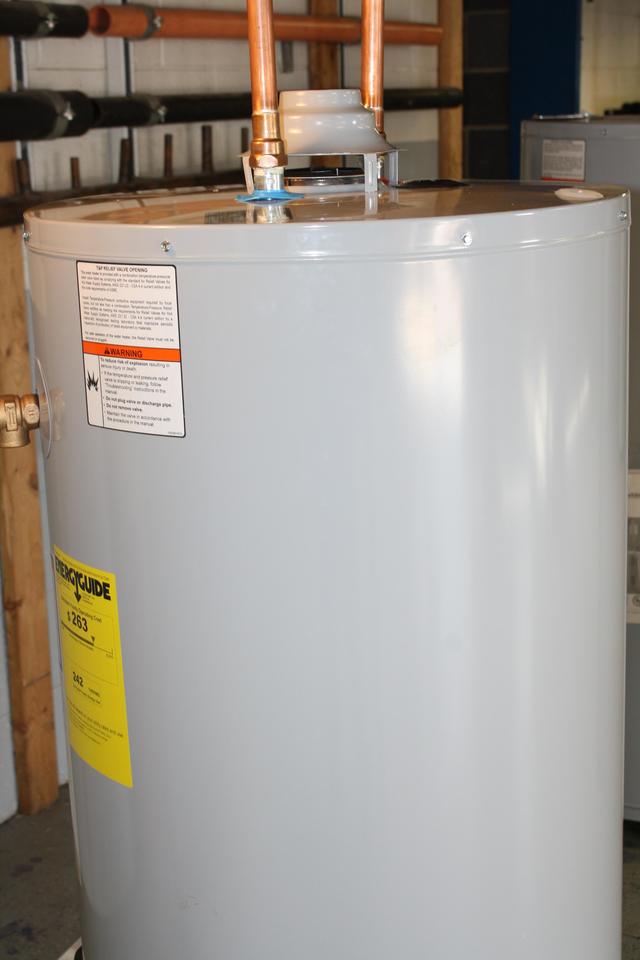
Flushing your water heater can help remove sediment, improve efficiency, reduce rumbling noises, and extend the life of the tank. It's one of the most useful maintenance tasks homeowners can perform on a traditional storage water heater.
In many cases, flushing a water heater is a manageable DIY project. However, if you discover leaks, rust, corrosion, or other safety concerns during the process, it's best to stop and call a professional. Tiger has been serving Central Illinois since 1993 and can help with maintenance, repairs, and replacement when needed.
What You'll Need Before You Start
Before getting started, gather a few basic items:
- Garden hose
- Bucket
- Work gloves
- Adjustable wrench
- Access to water heater controls
You'll also need to determine if the unit is gas or electric.
Before draining the tank, turn off power to an electric unit or shut off the gas supply on a gas water heater. Safety comes first.
Step-by-Step: How to Flush a Water Heater
Turn Off the Power or Gas
The system should be completely shut down before draining begins.
For electric water heaters, turn off the breaker supplying power to the unit. For gas models, turn the gas control valve to the appropriate off position.
Shut Off the Cold Water Supply
Locate the cold water shutoff valve above the tank and close it.
This prevents new water from entering the tank while you are draining it.
Attach a Hose and Drain the Tank
Connect a garden hose to the drain valve near the bottom of the tank.
Run the hose to a safe drainage location. Keep in mind that the water can be very hot. Avoid draining near walkways, landscaping, or areas where hot water could cause damage.
Open the drain valve carefully and allow the tank to empty.
Flush Out the Sediment
Once the tank has drained, briefly turn the cold water supply back on.
This helps stir up remaining sediments at the bottom of the tank so they can be flushed out through the hose. Continue the process until the water leaving the tank appears clear.
Hard water build up can leave a surprising amount of sediment behind, especially in older systems.
Refill the Tank and Restore Power
Close the drain valve and disconnect the hose.
Turn the cold water supply back on and allow the tank to fill completely. Check around the drain valve and nearby connections for leaks.
Once the tank is full, restore power or gas to the unit. It may take some time before hot water is available again.
How Often Should You Flush a Water Heater?
Most homeowners should flush their water heater once a year.
Homes with hard water, larger households, or higher hot water usage sometimes benefit from more frequent flushing. Regular water heater maintenance helps reduce sediment accumulation and gives technicians an opportunity to identify developing issues before they become major repairs.
Many homeowners also use a maintenance membership program to stay on schedule with annual maintenance.
When to Call a Professional Water Heater Plumber When Flushing Isn't Enough
Flushing removes sediment, but it won't fix every water heater problem.
Contact a professional if you notice:
- Rust-colored water
- Water pooling around the tank
- Repeated loss of hot water
- Visible corrosion
- Unusual noises that continue after flushing
These signs can indicate problems that require water heater repair or even a water heater replacement rather than maintenance alone.
If you're in Springfield and run into a problem during the process, our licensed plumbers can evaluate the system and determine the next step.
Why Call Tiger for Water Heater Services
Tiger provides water heater maintenance, repair, and installation services throughout Central Illinois.
From older homes near the McLean County Museum of History in Bloomington to properties throughout Peoria near Laura Bradley Park, Tiger provides water heater maintenance, repair, and installation services across Central Illinois.
Visit our service areas page to find the location nearest you.
If your water heater is leaking, producing rusty water, or struggling to keep up with demand, contact us today to schedule service.
If your system needs more than basic cleaning, contact us today to schedule service.