






Blog
Why Is My HVAC Leaking Water?

Homeowners often ask the same question when they see water near their system: why is my hvac leaking water? Across Collinsville, Springfield, Peoria, and Bloomington, this issue often appears during hot weather when air conditioners run for long periods.
You might notice a puddle around the indoor unit, water near a floor drain, or stains on a ceiling below an attic system. Air conditioners create condensation as they remove humidity from the air, but visible leaks usually mean something is wrong.
Tiger has helped homeowners across Central Illinois diagnose and fix HVAC problems since 1993. Their licensed HVAC technicians, plumbers, and electricians work together to identify the cause and prevent water damage or system failure.
Is It Normal for My HVAC to Leak Water?
Air conditioners remove humidity from indoor air while cooling your home. The moisture collects in a drain pan and flows out through a condensate drain line.
Because of this process, a small amount of water is normal.
You may see water dripping from the outdoor drain line or briefly sitting in the drain pan. That indicates the system is removing humidity as designed.
However, standing water near the unit, ceiling stains, or water dripping indoors usually signal a problem.
Question: Is it normal for water to drip from my AC?
Answer: Water draining outside through the condensate line is normal. Water leaking inside typically means a clogged drain line, frozen coil, or another issue that requires attention.
Most Common Reasons Your HVAC Is Leaking Water
Several issues can cause HVAC systems to leak water. Most involve drainage or airflow problems.
Clogged Condensate Drain Line
As the air conditioner runs, condensation collects in a drain pan and exits through a condensate drain line. Over time, algae, dust, and debris can block the line.
When the drain becomes clogged, water backs up and the pan can overflow.
Homeowners may notice:
- Water pooling around the furnace or air handler
- Dripping beneath the indoor unit
- Moisture around the base of the equipment
Routine maintenance usually includes clearing the drain line to prevent this issue.
Dirty Air Filter and Frozen Evaporator Coil
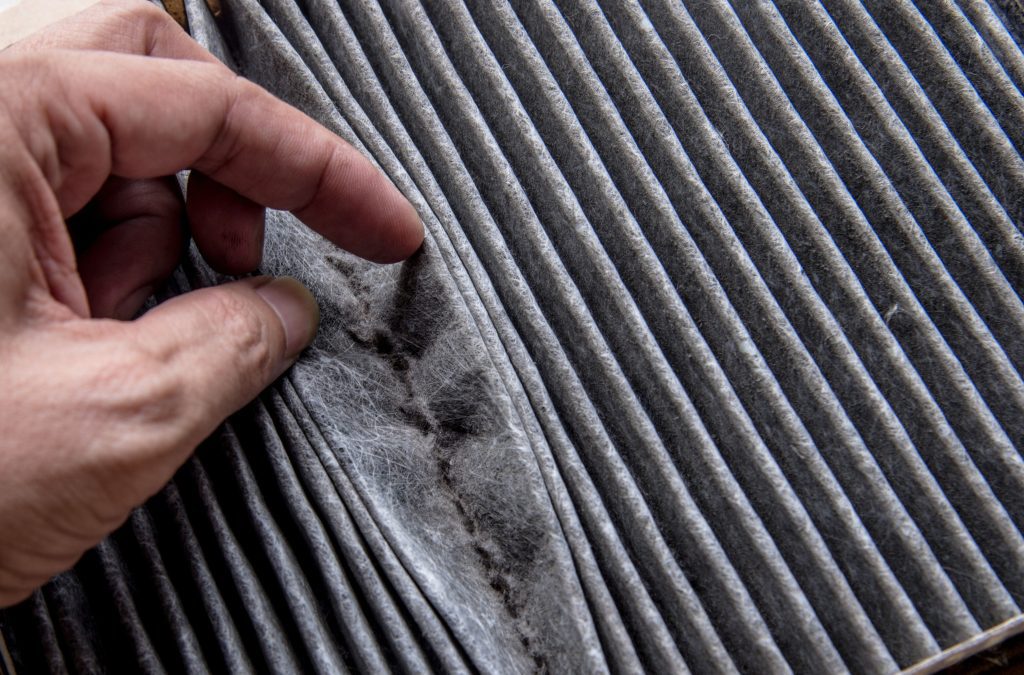
A dirty air filter restricts airflow through the system. When airflow drops, the evaporator coil can freeze.
When the system shuts off, the ice melts quickly and may overflow the drain pan.
Signs of this issue include:
- Weak airflow from vents
- Ice on refrigerant lines or coils
- Water appearing after the system defrosts
Replacing filters regularly helps prevent frozen coils.
Low Refrigerant Levels or a Refrigerant Leak
Low refrigerant pressure can also cause the evaporator coil to freeze. When the ice melts, water may spill from the drain pan.
Refrigerant leaks can also cause weak cooling, unusual sounds, or higher energy bills.
Because refrigerant must be handled by certified professionals, this issue should be evaluated by an HVAC technician.
Cracked or Rusted Drain Pan
Older HVAC systems sometimes have metal drain pans that rust over time. Even newer plastic pans may crack or shift.
When that happens, condensation no longer drains correctly.
Homeowners may notice:
- Water dripping beneath the air handler
- Rust stains around the equipment
- Visible damage to the pan
Replacing the drain pan usually resolves the problem.
Improper Installation or Broken Condensate Pump
Some systems leak because of installation issues. If the condensate line is not pitched properly, water may spill instead of draining away.
Homes with basement systems often rely on a condensate pump. If the pump fails, the pan can overflow.
These issues should be inspected by a hvac technician.
What You Can Safely Check Before Calling Tiger
Homeowners can perform a few simple checks before scheduling service.
- Turn off the system at the thermostat if water is actively leaking
- Replace a dirty air filter
- Check the visible end of the condensate drain line for clogs
- Make sure nothing is blocking airflow around the air handler
If water continues to appear, leave the system off until a professional can inspect it.
When a Leaking HVAC Is an Emergency
Some HVAC leaks require immediate service.
Call for Emergency HVAC services if you notice:
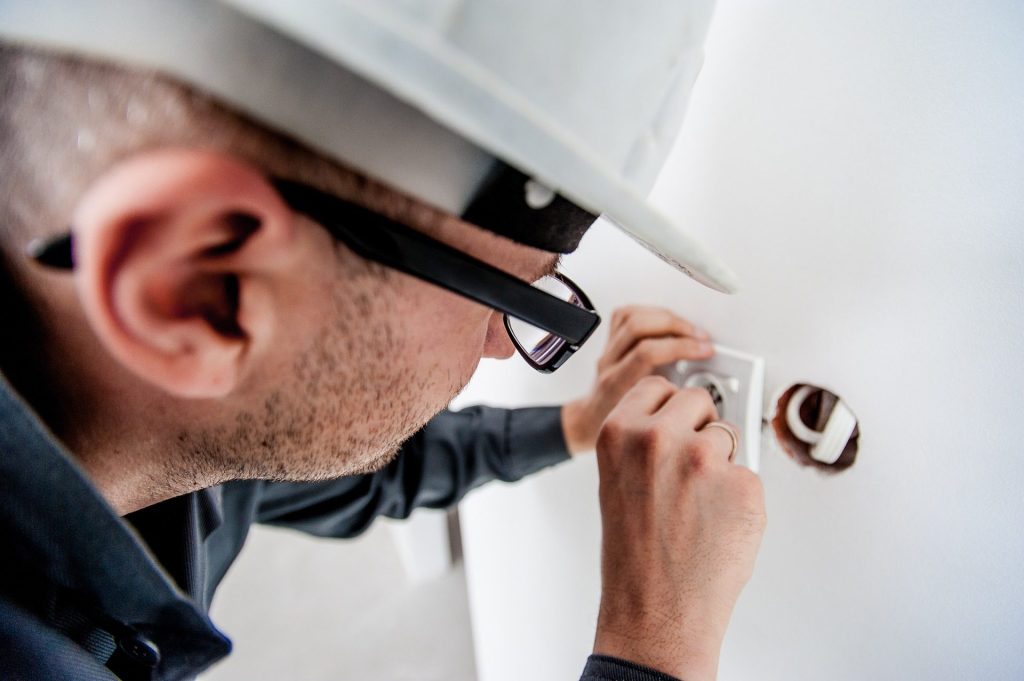
- Water near electrical components
- Ceiling leaks or sagging drywall
- Leaks continuing after changing filters
- Musty odors or visible mold
Water damage can spread quickly through drywall, insulation, and flooring, so prompt service is important.
How Tiger Fixes and Prevents HVAC Water Leaks
When Tiger investigates a leaking system, technicians perform a full inspection.
They check the drain pan, condensate line, evaporator coil, air filters, and pump operation. If needed, they also inspect for refrigerant leaks that may cause freezing.
Technicians may clear drain clogs, repair pumps, replace damaged pans, or correct airflow issues.
Regular maintenance helps prevent leaks by keeping drain lines clear and system components clean.
Tiger serves homeowners and businesses across Central Illinois, including Collinsville neighborhoods near Vandalia Street and the World’s Largest Catsup Bottle, Springfield areas such as Historic West Side and Enos Park near the Lincoln Home National Historic Site, and Bloomington communities like South Hill and Hawthorne Hills near Illinois State University. Our service areas also extend to nearby cities including East Peoria, Pekin, Dunlap, Morton, Washington, and Chillicothe.
Homeowners often join the Membership program to schedule maintenance that helps prevent leaks and other HVAC issues.
If leaks continue, Tiger’s AC technicians can determine whether the system needs repair or possibly a full AC installation. Illinois homeowners rely on for updated cooling equipment.
AC repair may also be necessary to resolve leaks and restore system performance.
Stop HVAC Water Leaks Before They Cause Damage
Water leaking from an HVAC system can damage flooring, drywall, and insulation if it is ignored. If you see water around your system or signs of ongoing condensation problems, it is best to schedule an inspection.
Tiger can locate the source of the leak, repair the problem, and help prevent future issues with proper maintenance.
Schedule Online(618) 484-9822