






Blog
How to Fix Clogged Drains Fast
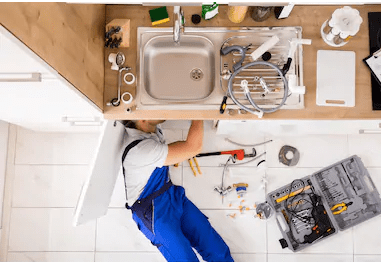
Clogged drains interrupt everything from dinner cleanup to getting ready for work in the morning. Water starts sitting in the sink, showers stop draining normally, or the kitchen backs up during regular use. Grease, hair, soap buildup, and food debris all create problems that build inside drain lines over time.
Some drain problems respond to a few quick steps if you catch them early. This guide covers safe ways to clear a clogged sink, what causes common drain backups, and when it is time to call a plumber before the problem spreads farther into the plumbing system.
Tiger Plumbing has served Central Illinois since 1993 with licensed plumbers, HVAC technicians, and electricians who handle complete home service problems, not temporary fixes.
Start With the Fastest Safe Fixes
Start with the simplest method before moving to more involved drain cleaning steps.
A basic order works best:
- Remove standing water
- Flush the drain with hot water
- Use a plunger
- Try baking soda and vinegar
- Remove visible debris
- Check the P-trap
The right approach depends on what caused the blockage. Hair, grease, soap scum, and food waste all behave differently inside the pipe.
Use Hot Water for Minor Clogs
Hot water helps loosen grease and soap buildup inside kitchen plumbing and bathroom drains.
Heat water until it is very hot, then pour it slowly into the drain in stages. Let the water work through the pipe before repeating the process.
This method works best for:
- Soap residue
- Grease buildup
- Minor sludge inside the drain
Avoid pouring boiling water into older PVC piping because extreme heat can weaken pipe connections.
Use A Plunger the Right Way
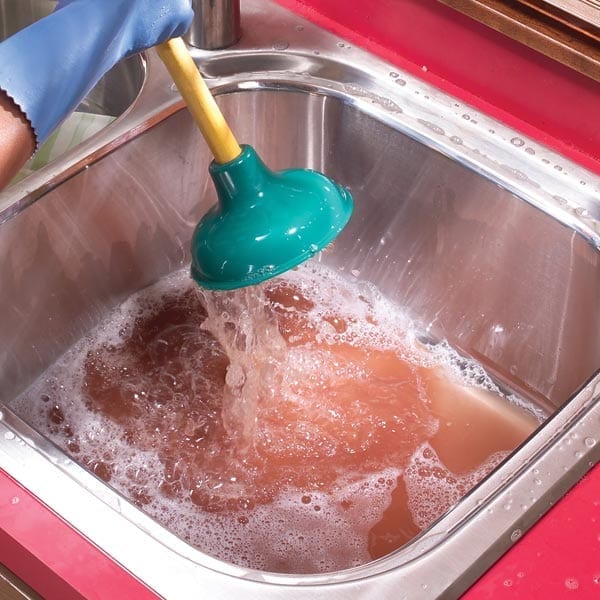
A plunger works best when the clog sits near the drain opening.
Add enough water to cover the plunger cup and create a strong seal around the drain. Use short, firm plunges instead of slow pushes.
For better suction:
- Block overflow openings with a towel
- Seal the second side of a double sink
- Keep steady pressure while plunging
This approach works for sinks, tubs, and shower drains with compact blockages near the top of the line.
Try Baking Soda and Vinegar
Baking soda and vinegar help with light organic buildup and mild drain odors.
Use this order:
- Pour baking soda into the drain
- Add vinegar slowly
- Wait about 15 minutes
- Flush with hot water
This method helps loosen buildup near the surface of the pipe.
It will not clear solid obstructions, heavy grease buildup, or sewer line blockages.
Remove Hair and Surface Debris with a Drain Snake
Bathroom drains collect hair quickly, especially in tubs and showers.
A small drain snake or plastic drain tool can remove buildup sitting close to the drain opening. In some cases, removing visible debris restores normal drainage immediately.
Wear gloves before handling drain debris manually.
This method works well for:
- Shower drains
- Tub drains
- Bathroom sink drains
- Surface hair clogs
If the drain still moves slowly afterward, the blockage sits deeper in the line.
Check The P-Trap
The P-trap sits beneath the sink and catches debris before it moves farther into the plumbing system.
Grease, sludge, soap residue, and food particles collect inside this curved pipe over time.
If you are comfortable handling basic plumbing:
- Place a bucket underneath the trap
- Loosen the fittings carefully
- Remove buildup from inside the pipe
- Reinstall the trap securely
This step clears a surprising number of kitchen plumbing and bathroom plumbing drain problems.
When Not to Use Chemical Drain Cleaners
Chemical drain cleaners create problems inside plumbing systems, especially in older pipes.
Harsh chemicals can:
- Damage drain lines
- Create dangerous fumes
- Sit in standing water without clearing the blockage
- Make future repairs harder and less safe
Repeated chemical use also fails to solve the actual cause of recurring clogs.
If the drain keeps backing up after DIY attempts, stronger chemicals are not the answer.
When It’s More Than a Simple Clog
One slow drain does not always mean there is a major plumbing problem. Multiple drainage issues happening together point toward a deeper blockage.
Warning signs include:
- Multiple slow drains
- Gurgling fixtures
- Sewer odors
- Water backing up into other drains
- Frequent recurring clogs
These symptoms point to a main sewer line issue instead of one blocked sink.
That is when homeowners start calling for professional drain cleaning in Collinsville, Springfield, Bloomington, and Peoria.
When To Call a Professional Plumbing Company Like Trust Tiger
If the clog returns repeatedly, affects multiple fixtures, or refuses to clear after basic steps, it is time to call a plumber.
Tiger Plumbing provides drain inspections, safe line clearing, and long-term plumbing solutions throughout Central Illinois. A drain cleaning plumber can identify the source of the blockage instead of treating the symptom temporarily.
Some drain problems start at one fixture and spread farther into the plumbing system over time. If a clogged sink is connected to larger kitchen plumbing or bathroom plumbing lines, the blockage may sit deeper in the pipe than basic DIY tools can reach.
Tiger has served Central Illinois since 1993 with licensed technicians, upfront pricing, and same-day service when available. Homeowners can learn more about our service areas, schedule a visit with a professional plumber in Peoria, or ask about the membership program for ongoing plumbing maintenance and priority scheduling.
Contact us today to schedule service with Tiger Plumbing.
Contact UsFrequently Asked Questions
Hot water helps loosen grease, soap residue, and light buildup. It will not clear solid blockages or sewer line problems.
Recurring clogs usually point to buildup deeper inside the line or a larger sewer problem.
Chemical cleaners damage pipes over time and create safety risks during future plumbing repairs.
Call a plumber if multiple drains back up, odors develop, or the clog keeps returning after DIY attempts.