




The first step when solving a problem is to identify it. Your energy use is no different. To save energy, you need to first figure out where it is being wasted.
Here are the six most common reasons why your HVAC system is consuming more energy than it should and how to fix them.
Inefficient furnace
Your furnace is your home’s heat source and the first place energy can be lost. This is normally through poor burner performance, a low-efficiency design, or age. Call in a professional to check all aspects of your system before regular use. If you decide it is time for an upgrade, look into high-efficiency options for even better performance.
Dirty filters
In addition to poor air quality, a clogged filter reduces the amount of air your fan can distribute. This makes your furnace work even harder to maintain your home’s temperature. Clean or replace your furnace filter regularly to minimize this unnecessary source of energy waste and save money.
Dirty ductwork
Build-up in your ductwork also reduces the airflow into your home, making your furnace consume more energy as it works harder to heat your home. If you’re a smoker or have pets, it is important to have your ductwork cleaned regularly.

Non-programmable thermostat
You might be vigilant enough to lower your home’s temperature whenever you go out or just before bedtime. In that case, you are saving energy based on your daily habits. If like most people, you rush out the door every day without a thought about keeping your empty house just a little cooler, a programmable thermostat might be exactly what you need. Consider replacing your thermostat to allow you to save this energy.
Air leakage
Ductwork that is not properly sealed can leak air into your ceiling or underfloor space, wasting heat that should be used to heat the space you occupy. As with clogged ductwork, this reduced airflow translates into an overworked furnace that consumes more energy. If you suspect leaky ductwork, have a professional seal off joints that can cause these energy losses.
Poor insulation
Whether it is hot water piping, refrigerant piping, or ductwork in unheated spaces, having the right insulation prevents heat from being lost to the surrounding air. Wherever you have a large temperature difference between what is inside and outside a duct or pipe, you need to have it insulated. If you suspect that parts of your HVAC system are uninsulated, or if the insulation is disintegrating, have a professional inspect it and make the necessary repairs.
If you need help finding HVAC energy leaks in your home, give us a call or schedule service online. Our expert technicians will help you save energy while also staying comfortable this fall and winter.
Check for furnace problems before Illinois temperatures drop below freezing. This complete guide shows you how to prepare your furnace for winter. It includes …
- Essential maintenance steps you can take today
- When to call a professional
DIY Winter Furnace Preparation
Replace Your Furnace Filter
Start your winter preparation with your furnace filter. A clean air filter does more than improve air quality—it helps your system run efficiently and prevents unnecessary strain on your furnace. When regularly using your furnace, check your filter monthly and replace it at least every three months. This simple step can significantly reduce your energy bills and extend your system's life.
Test Your Furnace
Next, conduct an early test run of your heating system. Turn your heat on before you actually need it, and pay attention to how your system performs. Listen for any unusual noises and note any burning smells. While a slight burning smell is normal during the first use, any persistent odors should be checked by a professional.
Ensure Clearance Around the Furnace
Ensure proper clearance around your furnace to guarantee optimal performance. Remove any stored items within three feet of your unit and ensure all vents are unobstructed. Check your outdoor exhaust vent for debris, leaves, or even bird nests that could block proper ventilation. This careful attention to clearance helps prevent both safety hazards and performance issues.
When To Call a Professional
While DIY maintenance is important, certain warning signs indicate you need professional furnace maintenance. If you hear strange noises or notice burning odors, don't wait to get help. Uneven heating throughout your home or unexplained increases in your energy bills often signal underlying issues that require expert diagnosis.
If you have a gas furnace, pay particular attention to your pilot light. A yellow flame instead of blue indicates incomplete combustion and potential carbon monoxide risks. Additionally, any system over 10 years old should receive professional inspection before winter arrives.
Professional Maintenance Matters
Professional furnace maintenance goes beyond what homeowners can do themselves. A certified technician will check crucial safety components, test electrical connections, and inspect your heat exchanger for potential issues. They'll also clean and adjust your burners for optimal performance and verify your system's overall efficiency.
Save Money with Early Action
Taking care of furnace maintenance now helps avoid costly emergency repairs later. Beyond preventing breakdowns, proper maintenance reduces your monthly heating bills and can add years to your system's life. Many manufacturers also require regular professional maintenance to maintain warranty coverage.
Schedule Your Winter Furnace Maintenance
Don't wait for the first cold snap to think about your furnace. Contact Tiger at (217) 790-3429 to schedule your furnace maintenance today. Our expert technicians serve Collinsville, Springfield, Bloomington, and Peoria with reliable, professional service that keeps your system running at its best.
There is no doubt that poor plumbing can lead to inconvenient and expensive problems. However, most people overlook the risk that poor plumbing can pose to your family's health, especially the problems that go unnoticed and issues you get used to dealing with.
Here are some common plumbing problems that lead to health issues.
Sewer gases
Plumbing is designed to prevent gasses from the sewer system from entering your home. Poor venting or incorrect piping from drains can allow these gases into your house. The smell is only a small part of the problem, as some of these gases can be toxic and even explosive.
If you have concerns about your venting or piping, call in a professional to review and correct these issues.
Sewer backup
Poor drainage and flooding can lead to a full sewer backup that can overflow into your house. If you have problems with slow flushing toilets or live in a flood-prone area, call in a plumber to assess your system and provide you with solutions to protect you from a possible backup.
Scalding
Even though water must be stored at a high temperature to keep pathogens at bay, the supply from your pipes must stay below 120°F to prevent scalding.
Make sure your system has the correct valves, and that fixtures are set to limit the output temperature of your water to avoid scalding.
Mold and mildew
Hidden leaks can cause mold and mildew buildup in your home. This could be caused by old pipes that have corroded or are not connected correctly.
Take time to inspect areas in your home where piping is hidden in the walls. Look for evidence of moisture and listen for the sound of dripping. If you notice any problems, call in a professional to address these issues before they become larger.
Lead
Older homes are more likely to have lead pipes that can leach into your water supply over time and cause serious health problems for your family. Some pipe fittings may also contain lead. If you live in an older home and have concerns about your piping, contact a professional to review options for replacing outdated lead pipes and pipe fittings to protect you and your family.
If you need help addressing any plumbing problems, Tiger is here to ensure the safety of you and your family. Give us a call or schedule service online.
As much as everyone loves summer, every year it comes to an end. Colder temperatures, shorter days, and falling leaves are right around the corner. Is your furnace ready for the fall and winter?
Here are 6 reasons to get early maintenance on your furnace before the temperature starts to drop.
You will identify problems before they become major issues
By scheduling an early furnace tune-up, you will be able to catch small problems before they turn into larger ones. Your HVAC technician can also identify problems with your furnace before they occur. This gives you time to plan a repair before colder weather hits, and prevent the stress that comes with a sudden, catastrophic failure.
You will pay less for repairs if they are detected early
Smaller repairs cost less than fixing major issues. Replacing a small component before it affects your entire furnace will make your early planning worthwhile, both for peace of mind and for your bank account.
You will have more time to carry out repairs
If your furnace needs a replacement part, you may have to wait a few days or weeks for it to arrive. Knowing early on what you need will give your HVAC technician enough time to order it and get the repair done while the weather is still warm.
Your technician will have increased availability for furnace tune-ups
Most HVAC companies have to book maintenance and repairs in advance. Fall is the time most homeowners will be booking their furnace tune-ups. Get yours done early before the rush, and make sure your furnace will be ready to go before the temperature drops.
You reduce your risk of being without heat during cold weather
If you wait too long, you run the risk of having to shut down your furnace for an emergency repair when you really need the heat. Early maintenance ensures that you can solve any issues while the days are still warm enough to tolerate your furnace being off for repairs.
You will keep your efficiency high from the beginning of the heating season
Tune-ups are critical for keeping the efficiency of your furnace at its highest. That means less fuel consumption and lower utility bills for you! There is no need to run a poorly performing furnace if you can avoid it.
schedule service online.
Have you noticed structural issues, pests, or mold in your home? If you answered yes to any of these, it might be time to consider crawlspace encapsulation. Encapsulating, or lining, your crawlspace involves installing a vapor barrier to provide several benefits including moisture control, improved indoor air quality, & pest control.
Moisture Control
Excess moisture, especially in a crawlspace, can cause damage to your home's foundation or structural supports. Installing a vapor barrier along with a crawlspace dehumidifier controls moisture and keeps humidity at appropriate levels. Controlling this moisture before it becomes an issue can prevent pricey structural repairs down the road.
Improved Air Quality
An added benefit of crawlspace encapsulation is mold prevention. Mold is caused by high moisture and humidity levels and can cause serious sinus and breathing issues if left unchecked. Crawlspace encapsulation eliminates and prevents mold which improves the air quality inside your home.

Pest Control
No one wants termites, rodents, or other pests getting into their home. Crawlspace encapsulation eliminates this problem. After encapsulation, your crawlspace is completely sealed with a liner and pests are no longer able to access your home. Liner installation not only protects your home, but also gives you peace of mind.
At Tiger, we offer a full range of crawlspace services. This includes liners, drainage matting, vapor barriers, spray foam insulation, vent covers, door covers, & stabilizing posts. We also offer a variety of dehumidifier and sump pump packages for your crawlspace. Give us a call or schedule service online. Our professional & certified technicians will inspect your crawlspace and provide you with a free quote for encapsulation.
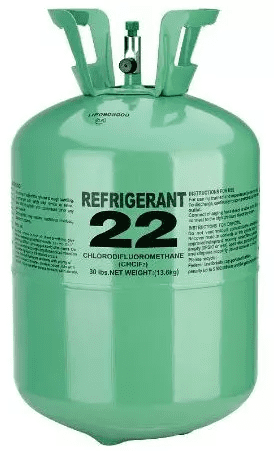
Your air conditioner works hard to keep you cool, especially during the hot summer months. One aspect of your system you might not give much thought to is the type of refrigerant it uses. Earlier this year, the Environmental Protection Agency (EPA) banned R22 refrigerant. So what does that mean for you if your system uses R22?
What is refrigerant and how does it work?
Without refrigerant, your air conditioner could not do its job. Refrigerant, also known as freon, is the fluid that flows through your system's coils. With help from your system's compressor, condenser, and evaporator, pressure is applied to the refrigerant causing it to change from liquid to gas. This change allows the refrigerant in the system to pull heat out of your home & bring cool air back into your home.
There are several types of refrigerant, but one of the most common is R22. As of January 1, 2020, the EPA implemented a ban on R22 meaning it can no longer be manufactured or imported in the United States.
What if your system uses R22?
If you're not sure what type of refrigerant your system uses, our qualified technicians are available to inspect your system. Most AC units manufactured and installed before 2010 use R22. If your current unit uses R22, here are your options:
- Repair - While this might seem like the easiest option, it could end up costing you in the long run. R22 is still available, but supplies are limited. As supplies shrink, prices will increase. For systems that still use R22, simple repairs could leave you with a hefty refrigerant bill.
- Replace - Instead of putting money into your existing equipment, it might be cheaper in the long run to replace your system. A brand new system means you will not have to worry about dwindling R22 supplies. You will also enjoy other benefits such as increased efficiency, lower energy costs, and peace of mind.
If you are looking for options for your current R22 system, our technicians can help decide if a complete replacement is right for you. At Tiger, we offer several options to replace your home's existing air conditioning equipment with new high efficiency units that use more environmentally friendly refrigerants. Give us a call or schedule service online today.
The temperature setting in our home is something we rarely give any thought to in the summer as long as our home is cool. According to professionals, the ideal summer indoor temperature ranges from 75-80.5°F.
This may seem based on opinion, but there are some factors we must think about before choosing a temperature.
Health
When choosing an indoor temperature, your health is one of the first things you should consider. Lowering the temperature in your home also lowers the humidity, which can dry out mucus membranes putting you at risk for colds other respiratory issues.
Temperature also affects sleep quality, which impacts your health & immune system. For most people, a temperature range of 65°F-72°F works best. In the summer, this means you might need to set your thermostat a few degrees lower on hot nights. As with daytime temperature settings, ideal sleep temperatures can vary.
Indoor Temperature & Energy Savings
You can save energy by finding other ways to cool down in summer, like utilizing a fan on hot days instead of lowering the temperature. Keeping your thermostat set to a higher temperature can cut your energy bills by 6-8% per degree. Small changes can save you lots of money on energy costs!

Equipment Performance and Life Cycle
If you find that your home's air conditioner cycles on and off or runs excessively, it could be a sign that you have the wrong size system. It is important to have a system that is correctly sized to reduce wear and tear. Reducing this wear & tear can also increase the lifespan of your equipment.
If you're having trouble cooling your home or want help choosing a new system, give us a call or schedule service online. Our expert HVAC technicans are available 24/7 to make sure you & your family stay cool this summer.
The quality of your home's water can affect its taste. Low quality water for cooking, drinking, or cleaning can have serious effects on your family's health. Poor water quality can also affect the life of your fixtures & appliances. If you’re concerned about your home's tap water, a water filtration system is recommended.
Here's the most common types of water filtration systems & their benefits:

Sediment filters
Sediment filters work by removing dirt & debris from your water. These systems are mostly used in homes with well water. All homes can benefit from this type of filter. Sediment filters protect your appliances & plumbing system from damaging buildup. Removing large particles from tap water can also improve taste.
Reverse Osmosis water filtration
Reverse Osmosis (RO) filtration uses a membrane to remove particles. RO filtration can remove smaller contaminants than sediment filters, such as detergents, heavy metals, & chemicals.
UV water filtration
Removing particles is only one step in curing your home water. You also need something to remove pathogens that can make your family sick. UV systems don't change the taste of water & use low amounts of energy. They're very effective & can remove 99.99% of bacteria & viruses from your water.
Combo water filtration
Combined systems will remove large particles & filter out chemicals & pathogens. With this type of system, you benefit from all the strengths of sediment filters, RO systems, & UV systems. There's a variety of options that can fit any home's needs.
Bad tasting tap water, buildup on fixtures, & spotty dishes are signs that you could use a water filtration system. If you have any of these, give us a call or schedule service online. Tiger's expert plumbers will give you a range of water quality options to choose from. Have you had a home water quality test lately? We are currently offering free, in-home water quality testing. Trust Tiger & schedule your appointment today!
Sometimes it’s easy to get stuck in a rut, even with your cooling system. You might feel too busy to think about HVAC upgrades, but procrastinating can end up costing you more in the long run. Here are some signs you need to discard the old & bring in the new.
Your system is noisy
If your system makes lots of noise even though you’re up to date with maintenance, it may be time for an upgrade. Noisy systems could mean they are nearing the end of their life. Take this as a sign that you’ve had your HVAC system for too long & it’s time to get something new.
You notice hot spots in your home

If you notice some rooms are warmer than others during the summer, it could mean your HVAC system is struggling to keep up. Get whole-house temperature control back with upgraded equipment.
Your system is constantly running
A sign your AC unit is too old is that it struggles to keep up with climbing temperatures during the summer months. If your system is constantly running or struggles to reach your set temperature, it’s time for an upgrade.
Your energy bills are climbing
Older systems consume more electricity and cost you more money in the long run. Upgrading to a new system will not only cool your home more quickly and efficiently, but also lower your energy bills.
Frequent & expensive repairs
You might think you’re saving money by holding on to old equipment, but the cost of repairs can add up quickly. If you find the cost and frequency of repairs increasing, it’s time to consider an upgrade.
Your equipment is old
Even if you’re not spending a whole lot on repairs (yet), your older equipment is costing you. Lower efficiency costs you money & the risk of a sudden breakdown costs you peace of mind. Protect your family by knowing when it’s time to ditch old equipment.
If your home needs an HVAC system upgrade, Tiger is here to provide you with the solutions you need. Give us a call or schedule service online today and our HVAC professionals will make sure your home has the updated equipment you need to stay comfortable during the coming summer months.