




Did you know a large majority of residential fires are caused by malfunctions in the home's wiring? Ignoring the early warning signs of faulty wiring can cost you.
Here are five signs it's time to call in an electrician to examine your home's wiring.
Funny Smells
If you smell burnt plastic or other burning smells in your home and struggle to identify the source, it may be your wiring. These burning smells, especially near outlets and fixtures, are a sure sign you should have an inspection done on your wiring.
Flickering Lights
When you turn on your dishwasher or microwave, do you notice any of the lights in your house begin to flicker or steadily dim? When those appliances turn off, do you see the lights brighten or stop flickering? These fluctuations may mean there is a problem with the wiring of your lights, but it most likely means your major appliances are drawing too much power from the circuits to which they are attached.
For this problem, a professional needs to examine your circuits and inspect your home's electrical panel to avoid further complications.

Buzzing
Old appliances can make buzzing noises. Often this means they are working hard or they have reached the end of their lifespan. If you start hearing buzzing noises from your outlets, however, or from your light bulbs as you switch them on, this is a more severe problem.
Pay close attention to your house when all is supposed to be quiet. If you are concerned about mysterious buzzing or humming sounds, be sure to inspect your home's power outlets.
Hot Switches and Outlets
While some appliances naturally put off heat, wall outlets and light switches should never be hot to the touch. Hot outlets and switches are a sure sign something is wrong with the wiring of your home, especially if you notice scorch marks around the plug.
If you notice hot outlets or switches in your home, discontinue their use immediately and call in a professional to come take a look at your home's wiring.
Tripping Breaker
Sometimes, tripped breakers are caused by large or high-level appliances overpowering a single circuit. However, if you have recurring tripped breakers with low-level power use, there is likely a wiring problem that needs to be addressed.
In either situation, too much power is flowing somewhere which is a serious fire hazard.
Do not wait to address wiring problems in your home. At Tiger, we offer a $49 electrical safety inspection which includes a comprehensive report on our trained and certified electrician's findings at no extra cost to you. Give us a call or schedule service online.

{{dc:acf:option_field field="contact_info_callrail_text"}} | TrustTiger.com
There is nothing better than a hot shower after a long day, especially during the winter! However, if you notice your home's energy costs are creeping up, your hot water energy consumption might be to blame.
You do not have to sacrifice the temperature of your water to save on energy bills. In fact, lowering the temperature of the water in your hot water heater's tank by too much is a recipe for harmful bacteria growth. Read on for a few helpful tips on reducing your hot water energy consumption.
Take shorter showers
The most basic way to use less energy for hot water is to use less water overall. Most people take longer showers than necessary. Even reducing your time in the shower by just a few minutes can save you money in the long run!
Turn off water
Speaking of reducing the amount of time for running water, the old water-saving advice of turning off the faucet while soaping your hands and brushing your teeth is actually a great way to save on monthly costs. Not only will you save energy used for hot water, but you will also lower your overall water consumption.
Lower the temperature of water at faucets
It might not be a good idea to set your water heater tank temperature too low, but water coming out of your shower and faucets is easily controlled. You do not have to take ice-cold showers to save on energy costs. A slightly cooler temperature is more than enough to reduce your hot water energy consumption.
Use your dishwasher
Reap the benefits of germ-killing and grease-removing heat without using a large amount of energy. Dishwashers use less water per full load than continuous running water used to do the same load by hand. If you don’t have a dishwasher, try filling your sink with soapy water as opposed to letting the water continuously run. You will get those dishes clean without excessive amounts of water pouring down the drain.

Wash clothes in cold water
With the right detergents, you can get clean clothes while using little to no hot water. Some items need to be washed in hot water, but for everything else, try using cold water and watch your energy bill go down.
Install a high-efficiency water heater
Most of the tips mentioned above are directly related to everyday habits. However, nothing is more effective than upgrading to a high-efficiency water heater. Not only will this investment save you money in the long run, but you will also save on energy consumption without having to make changes to your daily routine.
If you have questions on any of the tips listed above or would like to discuss options for upgrading to a high-efficiency water heater, give us a call or schedule service online.
When operating properly, your HVAC system should be fairly quiet. Even if your furnace has been working well this winter, if you start hearing one of these strange sounds, it is time to contact an HVAC professional to come and repair the problem.
Here are 5 sounds your furnace can make that should be taken care of as soon as possible before they turn into larger issues.
Scraping Sound
A loud scraping, metal-on-metal sound coming from inside your furnace could be a serious problem with the blower wheel. It is possible the wheel is coming apart from the shaft and scraping the casing. Turn your unit off and call in a professional to solve this issue.
Fast Clicking Sound
Remember that sound when you were a kid and attached a playing card to the spokes of your bicycle wheel? If you hear that kind of fast clicking sound from your furnace, something might be stuck on one of the blower wheel blades or the housing around the wheel. While your heat may be working just fine, this stuck object causes resistance which can result in excessive wear on the motor.

Squealing Sound
A squealing noise from the blower motor could be caused by a belt wearing out. This is a relatively easy fix that is best to take care of sooner rather than later before the belt stretches further or breaks.
Grinding Or Metal Groaning Sound
A bearing problem in the blower motor will make a dull repetitive groan. Some blower motors have ports for adding lubricant, but some are sealed. Adding lubricant will often eliminate the groaning sound, but you have to use the correct oil.
Popping Sound Or Banging Sound
If you hear popping or banging when firing up your furnace, the problem is likely dirty burners. If your burners have not been cleaned recently, gas is not being ignited by the furnace right away. Instead, it builds up and ignites in a mini “explosion” which is what causes the distinct popping or banging sound. This should be serviced by a professional immediately.
If you are hearing any of these noises coming from your furnace, give us a call or schedule service online. For only $33, our expert HVAC technicians will perform a full tune-up and safety inspection on your furnace and find the source of that pesky sound you have been hearing.
Few things are worse than waking up on a cold winter’s morning only to find frozen pipes. Once you make this discovery, you need to act fast to prevent the pipe from bursting and damaging your property.
Here are the steps that should be taken when you discover a frozen pipe.
Step 1: Find the frozen section of pipe
If you turn on a faucet and notice a trickle of water or no flow at all, check nearby fixtures to see if any water is flowing through them. If not, this is a good indication of a frozen pipe.
If you can see the piping, do a visual inspection for frost or condensate. Pipes are most likely to freeze in attics, basements, external wall cavities, crawlspaces, or poorly insulated spaces.
Step 2: Determine if the frozen pipe is still intact
Depending on how long the pipe has been frozen, you may or may not have a burst or damaged pipe to deal with. If water is leaking or gushing from another part of the pipe, you need to shut off your main supply and call in a professional. If you do not see evidence of a damaged pipe or leakage, you can start attempting to thaw the pipe.
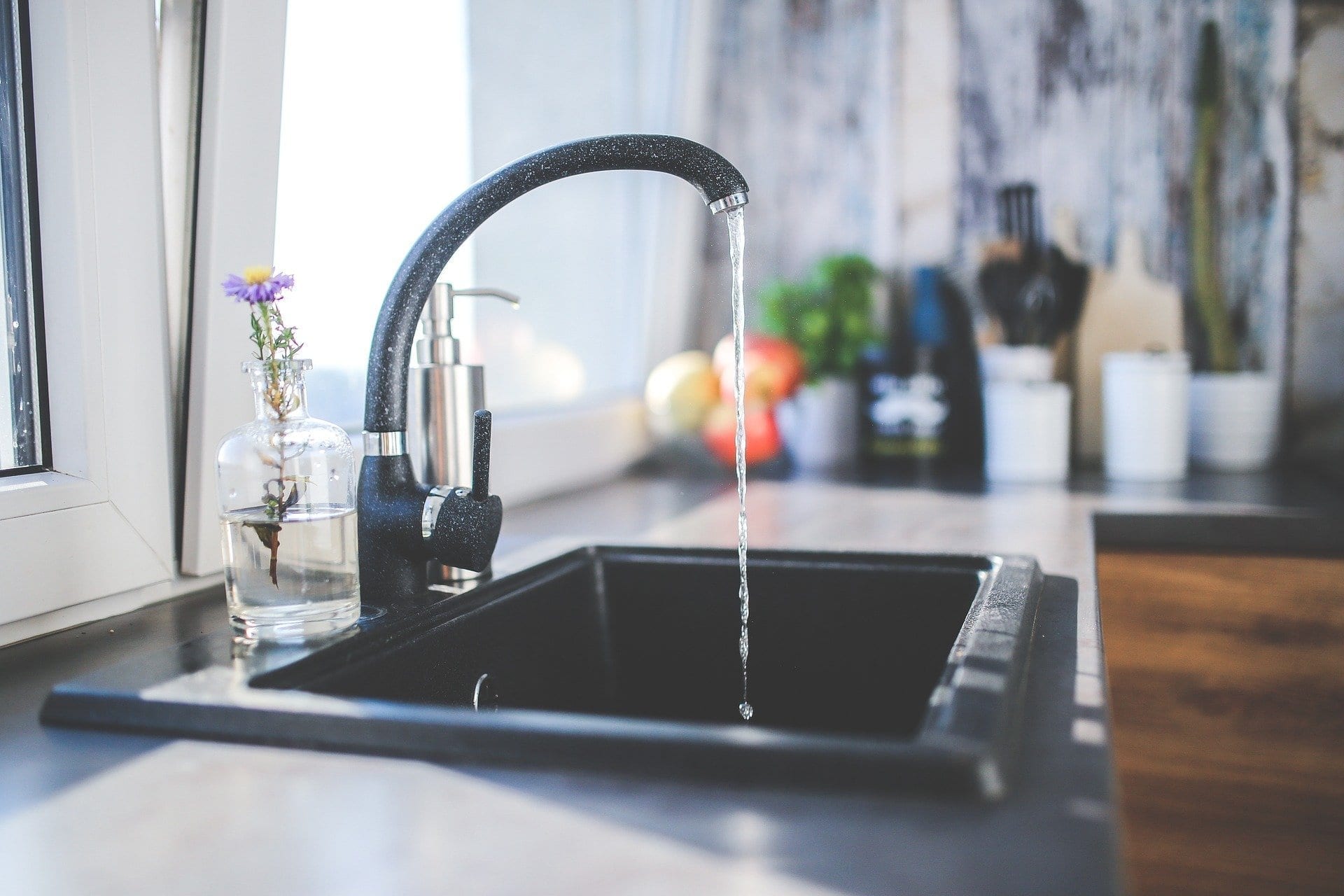
Step 3: Turn on faucets connected to the frozen pipe
Turning on the faucet allows you to monitor your progress because water will flow once the ice starts melting. Having an open path for water to flow also lowers the risk of pressure buildup and pipe bursts. This small amount of flow can help the ice melt faster.
Step 4: Apply heat to the frozen section of pipe
If you can see the frozen pipe, turn up the heat in the room where the pipe is located, or use a hairdryer to gently heat the frozen section of pipe. Space heaters are also a potential solution if available. Never use a blow torch as this is a fire hazard.
For hidden pipes, the solution is a bit more complex. As with exposed pipes, you should still try simple methods to thaw the frozen pipe first, such as turning up the heat or using a hairdryer or space heater. If all else fails, the wall housing the frozen pipe might need to be cut open to allow warm air to better circulate around the frozen section.
Step 5: Prevent additional frozen pipes
You might escape disaster once but it is best not to push your luck with frozen pipes. Insulate pipework or reroute to prevent exposure to temperatures that can cause future pipe freeze.
If you have frozen pipes, burst pipes, or want to explore solutions to help protect your pipes from freezing, give us a call or schedule service online! Our expert technicians and friendly staff are available 24/7 to assist you.
Have you ever jumped into your shower only to be welcomed by icy or lukewarm water? Well, that can be explained!
Here are seven reasons why your hot water is out, and how to fix it.
Leaking hot water pipe
If you are suddenly left without hot water, it is possible you have a hidden leak somewhere in your home’s plumbing system. If a pipe is leaking in your basement, for example, it will not reach your bathroom. As long as the pipe is not hidden in a wall, you should be able to easily tell if this is the reason for your lack of hot water. However, a leak in a hidden pipe could be more of a challenge to detect.
If you suspect you have a leaking pipe, call us and our expert plumbers will solve the problem and restore your hot water.
Broken heating element
Electric water heaters have an element (sometimes two) that heats your water. If you have ruled out a leak and still do not have hot water, it might a problem with the heating element. Water heaters typically have a lifespan of around 7-10 years. If your water heater is around this age and you are without hot water, it is possible the heating element has failed and needs to be replaced.
Tripped breaker
Your water heater might have tripped the breaker. Check your panel and reset the breaker. If it happens again, that signals an electrical problem and you should call in a professional. You may have to replace your heater, depending on the severity of the problem.

Undersized tank
If everything is working well, but you constantly face a cold shower if you are the last one in, your water heater might be undersized. To avoid constantly waiting for your water to heat up to take a shower, consider replacing your water heater with one that has a larger capacity or switching to a tankless option.
Pilot light problems
If you have a gas-fired water heater, the pilot light could be the reason you do not have hot water. If you are not sure how to check your water heater’s pilot light or have tried and still do not have hot water, give us a call.
An incorrect or broken thermostat
Water heaters have a thermostat to set the supply temperature. It might be set too low, which does not give you enough hot water for your shower. If you attempt to change the temperature settings on your thermostat and still do not have hot water, you might need to replace it.
Do not take chances with your hot water system. If you are experiencing any problems with your water heater, give us a call or schedule service online.
Nothing is worse than pulling out your wallet to pay for a repair, aware that it could have been avoided. When it comes to your plumbing system, potential problems can simmer and remain undiscovered until causing a disaster. Awareness of these potential issues will allow you to take action in advance and save yourself the money (and stress) of major repairs.
Here are five plumbing disasters that can be avoided if you know what to look for.
Supply pipe leaks
Hot and cold-water piping can leak at joints or along the pipe itself if it becomes damaged. To prevent joint leakage, have a professional install any piping for renovation work. For older homes, have your visible pipes inspected to evaluate the condition of hidden piping.
If parts of your plumbing system have already been replaced due to corrosion, consider replacing other sections of your plumbing system before it fails.
Burst pipes
Cold weather brings with it the risk of pipes freezing and bursting. Ensure pipes that run through unheated spaces are winterized or insulated. If winterizing, insulating, or heating the space is not an option, rerouting pipes might be the best option.
Overflowing drains
Clogged drains are one of the most preventable plumbing disasters. Avoid washing food or grease down your sink to help keep drains clear. Do not flush items that will not disintegrate (wet wipes, sanitary products, etc.)
Pay attention to the location of trees in your yard. Sometimes, root growth can block your home's sanitary pipe and lead to major plumbing disasters.

Flooded basement
Maintaining your sump pump will go a long way to protect your home from water entering the basement. Have a professional inspect and repair any issues with your pump before they become full-fledged disasters.
Water heater failure
Water heaters can fail due to multiple causes. Regular inspection and maintenance is the best way to ensure that you are not blindsided by a major disaster or failure. Tank flushing, electrical inspections, and burner inspection are some of the tasks that can prevent major repairs or replacement.
If you need help managing or preventing any of these plumbing disasters, give us a call or schedule service online.
Doing your own repairs (and even some upgrades) around the house can be a rewarding process. Even if you struggle through it, the end result is all yours.
Plumbing, however, is a different story. Instead of a rewarding experience, you could find yourself in some hot water (or living with none at all). Here are five reasons to avoid do-it-yourself plumbing and to hire a professional instead.
Plumbing codes
Plumbing codes have been developed over many years and change over time. Knowledge and correct application of these codes takes training. Plumbers know how to install pipework and other components of a system to code. Neglecting these codes is not an option, as it can cause health issues and non-functional plumbing.
Correct tools
Professional plumbers have the correct tools to get work done quickly and with minimal issues. Unless you plan to do a whole lot of plumbing work for many years to come (in which case, a plumbing career is very rewarding), you will just waste money purchasing everything that you may or may not use.

Skill
This one goes without saying. Binge-watching how-to videos will not give you the skills you need to execute the work on your own. Keep in mind that those videos are created by professionals who have worked in the field for many years. That is why it looks so easy! Not all plumbing issues have clear solutions and not all solutions are equal. It takes experience to figure out the best and most cost-effective fix for your plumbing problems.
It can be costly
While doing the work yourself can save you money on labor costs, if you make mistakes you could end up with bigger problems than the ones you started with. These mistakes could end up costing you more in the long run.
It could lead to more damage
Leaky pipes caused by poor plumbing can result in damage to your walls, flooring, and even your foundation. In addition to paying for plumbing repair, you can end up needing a major renovation to repair your water-damaged house.
If you have plumbing issues, instead of attempting to fix them yourself, give us a call or schedule service online.
As if you weren’t spending enough time at home, winter is coming. That means more time indoors.
So how do you stay healthy with less time outdoors? The answer is simple: make sure your indoor air conditions are just right. Here are five ways to do it.
Tune-up your furnace
Keeping your indoor temperature warm enough throughout your house means tuning up your furnace. Even if you are not left out in the cold with a catastrophic failure, your furnace can chug along underperforming for weeks and months. Make it a priority to get your furnace working right before the temperature drops.
Clean ductwork
Clear out dust, pet dander and other allergens to keep your air flowing clean throughout your house. Particles can accumulate in your ductwork and before you know it, you are dealing with persistent allergies and sniffles. Have a professional clean your ductwork so your extra time indoors does not affect your breathing.

Boost ventilation
Regardless of how clean your ductwork is, you still need fresh outdoor air inside your home. Reduce the buildup of carbon dioxide and moist air with exhaust fans. Bring in outdoor air with an energy recovery ventilator and improve your home’s indoor air quality. If you are not able to spend much time outdoors, bring the outside air in.
Control humidity
Winter is known for low humidity indoors that can cause “winter skin” with its painful cracking and flaking dryness. Just imagine what is happening inside your nose, throat and lungs. Dry mucous membranes reduce your ability to fight illness. Boost your health with a humidifier as you start to spend more time inside your house.
Filter your air
Remove dust and other particles from your home’s air system with the right filter in your furnace. A supplemental air purifier would improve the air you breathe even more. For all the time you spend in your home during colder months, keep your air clean so your health doesn’t suffer.
Our qualified and trusted technicians are available to help you prep your home for more time indoors. Give us a call or schedule service online today!
No one likes cold showers, especially during the winter. Here are six of the most common reasons water heaters fail and ways you can minimize this risk.
Sediment buildup in tank
Over time, small particles and dissolved contents in your water supply collect inside your tank. Regular maintenance includes flushing the tank at least once per year. If you live in an area with hard water, your entire plumbing system, including your water heater, could benefit from a water softener.
Corrosion
Tanks contain rods that act as sacrificial anodes. These rods corrode more easily than the tank itself, which helps extend its lifespan. However, these anodes eventually need to be replaced or your tank will corrode. Piping connections can also rust so be on the lookout for corroded pipes and call in a plumber to repair or replace if needed.

Incorrect water pressure
Water pressure that exceeds the recommended limit can cause your water heater components to fail. If you are concerned about the water pressure in your area, call in a professional to evaluate. You may need to install a pressure reducing valve to control the water entering your heater.
Not enough combustion air
Insufficient combustion air can not only result in lukewarm showers but is also a safety risk. If your gas-fired water heater is not getting enough combustion air, it can result in increased carbon monoxide production. Keep the space around your heater free from clutter. If you are concerned about your water heater’s combustion ability, let a professional investigate.
Buildup on heating elements
Similar to buildup in your tank, the buildup of hard water deposits can prevent electrical heating elements from transferring heat to your water. Keeping these elements clean will keep your water heater functional and reduce the risk of future electrical problems.
Faulty thermostat
Did you know your water heater has a built-in thermostat to adjust heating to maintain the water temperature in the tank? If it does not shut off, your water can overheat and put you at risk of scalding. Alternatively, this thermostat may not turn on enough, resulting in a lower tank temperature. This can cause bacterial growth along with colder water throughout your home.
If you need help maintaining your water heater to make sure it stays functional, Tiger Plumbing is here to help. Give us a call or schedule service online today.