




AC maintenance is what keeps small problems from turning into expensive breakdowns. In Central Illinois, where humid summers hit hard across Peoria, Springfield, Bloomington, and Collinsville, systems run long hours and take on more strain than most homeowners expect. Tiger has been working in these communities since 1993, helping homeowners stay ahead of system failures with consistent service. A simple AC maintenance checklist can help extend system life from 10 years closer to 20 while avoiding major repair costs.
Monthly Homeowner Checklist (10 Minutes)
These quick checks help prevent most common failures.
- Replace the air filter
Check it every 30 days. A clogged air filter restricts airflow, reduces efficiency, and can lead to frozen coils.
- Clear the outdoor unit
Remove leaves, grass, and debris within two feet of the condenser. Blocked airflow overheats components and shortens system life.
- Check the thermostat
Make sure settings are correct and batteries are working. Incorrect settings can force HVAC systems to cycle too often.
- Listen for unusual noises
Rattling or buzzing can point to loose parts or early motor issues. Catching it early avoids larger repairs.
This AC maintenance checklist is simple, but it covers the issues that cause most service calls.
Spring Pre-Season Inspection
Before summer demand hits, a deeper check helps catch problems early.
- Clean accessible coils
Dust and buildup reduce cooling performance and force the system to work harder.
- Inspect the drain line
Flush the condensate line to prevent clogs. In humid Central Illinois conditions, buildup happens quickly and can lead to water damage.
- Test system startup
Run the AC for 30 minutes. Weak airflow or warm air is an early sign of problems.
In areas like Peoria and Springfield, spring pollen and moisture load systems early, making this step critical before peak heat.
What Professionals Check Annually
Some parts of AC maintenance require trained technicians.
- Refrigerant levels
Low refrigerant often points to refrigerant leaks, which can lead to compressor damage if ignored.
- Electrical components
Loose connections and failing capacitors are common causes of system failure.
- Blower and airflow
Airflow problems affect the entire system and increase wear on components.
- Ductwork inspection
Leaks in ductwork can reduce efficiency by up to 30 percent.
Our AC technicians handle these inspections across Central Illinois, including Peoria, Bloomington, and surrounding communities, making sure systems are ready before peak demand.
Common Small Issues That Escalate
- Dirty filter
Ignored: compressor failure
Prevent it: replace monthly
- Blocked drain
Ignored: water damage
Prevent it: flush regularly
- Low refrigerant
Ignored: full system failure
Prevent it: annual inspection
- Dirty coils
Ignored: reduced cooling and system strain
Prevent it: spring cleaning
Most major breakdowns start with one of these issues.
Why Illinois Homes Need Extra Care
Cooling systems in Central Illinois deal with conditions that increase wear.
- Humid summers in Peoria and Springfield create moisture buildup in drain lines
- Dust and pollen from farmland around Bloomington clog filters faster
- Older homes often have ductwork that loses efficiency over time
Homes near landmarks like the Peoria Riverfront Museum, Miller Park Zoo, and areas along Historic Route 66 in Springfield all deal with the same seasonal pressure on HVAC systems.
How Tiger Can Help You with AC Maintenance Services
Tiger has been serving Central Illinois since 1993, working in homes across Peoria, Bloomington, Springfield, and Collinsville. Our team handles HVAC systems, plumbing, and electrical together, so everything works as it should under real conditions.
We provide AC tune up services, full system inspections, and long-term maintenance through our membership program. If you need AC repair, AC replacement, or routine service, our team is ready to help.
If a system fails during peak summer demand, emergency hvac services are available to restore cooling as quickly as possible.
You can check our service areas to confirm coverage or schedule service online to get started.
Our technicians are here to help you take care of your HVAC system with seasonal maintenance that can prevent unexpected breakdowns. Even if you have neglected your HVAC system until now, give us a call or schedule service online and we can get you back on track.
Have you noticed a climbing water bill each month? High water bills, while frustrating, are normally very easy to correct. Here are 5 tips to help lower your water bill and conserve water each month.
Turn off faucets
Do you let the faucet water run as you wash dishes or brush your teeth? Your bathroom faucet runs at about two gallons of water per minute. By turning off the tap during some of these tasks, you will save hundreds of gallons each month (as well as lower your monthly water costs!)
Fix leaks
Even a slow drip from a leaking faucet can waste as much as 20 gallons of water a day. A leaking toilet can waste 200 gallons a day! If you notice a rising water bill, but do not see any obvious signs of leaks, call in a plumber. A hidden leak could be the culprit, and a plumber will help you find it.

Shorten showers
Everyone loves a long shower at the end of a tough day, but did you know reducing time spent in the shower is one of the easiest ways to save money each month? Cutting your shower time down by just a few minutes can have a big effect on your monthly water bill.
Install a low-flow or dual-flush toilet
Replace an old toilet with a new ultra-low volume (ULV) flush toilet to use up to 70 percent less water. This switch could reduce your total indoor water use by 30 percent. Another option is a dual-flush toilet that could use as little as 1 gallon for the low-level flush.
Upgrade to a tankless water heater
A tankless water heater only heats water when you need it. Not only will you save on water and energy costs each month, but you also will never have to worry about running out of hot water again!
If you have a rising water bill and cannot seem to find the cause, or you have an interest in upgrading a toilet or water heater, we are here to help. Give us a call or schedule service online today!
Your heating and cooling system is not made up of “set it and forget it” equipment. HVAC equipment requires regular inspections and maintenance, and as the weather starts to warm up, things can go wrong if problems are not addressed. Exactly how wrong things go, however, depends on how proactive you are at preventing or fixing smaller issues.
Here are five common HVAC disasters and tips on how to prevent them.
Equipment failure
Complete failure of your air conditioner can leave you scrambling, especially during warmer temperatures. It is the most obvious disaster but one that can be avoided with regular maintenance. Seasonal inspections help uncover issues when they are small and can be repaired at a lower cost. Pay attention to your HVAC equipment so when something is “off”, you will pick it up on it right away.
Carbon monoxide leak
This is one of the worst problems you could face with your HVAC system. Carbon monoxide leaks are not usually an issue in warmer weather, however, summer is a great time to deal with potential issues before the season changes. Be sure to inspect your furnace’s heat exchanger for cracks or possible weak spots. In addition to a professional inspection, keep your furnace room and vent outlet clear to help minimize the risk of carbon monoxide production.
Too hot or too cold
HVAC systems are never perfect. There will always be times where your home feels a bit too warm during the summer or too cold during the winter. If your indoor temperature seems to never stay comfortable for long, however, this could indicate a problem with your thermostat or HVAC equipment. Your HVAC system depends on multiple components working together and if one is underperforming (or not working at all), your comfort levels could suffer.

Respiratory issues
This is not an issue with your HVAC equipment directly, but it is connected to your HVAC system and it can be prevented. Regular filter replacement and duct cleaning will lower your family’s risk of developing respiratory issues, like asthma, and can drastically reduce allergy symptoms.
Electrical problems
An electrical fire is never something you want to experience, so it is important to pay attention to your HVAC system’s electrical components. If your air conditioner shuts off whenever another appliance is running, it is a good idea to call in a professional to inspect your HVAC system's electrical connections.
Now is the perfect time to address any HVAC issues before summer is in full swing. If you are having any problems with your air conditioning unit, give us a call or schedule service online today!
Your home’s HVAC system affects the air you breathe and therefore your health. There is no debating the connection between your home’s HVAC system and allergy season symptom intensity and frequency.
Not all systems are equipped to handle allergy season, but with the right upgrades, you can reduce allergy symptoms and breathe easier.
HEPA Filters
Regular filters have a limited ability to remove smaller particles. For families without allergy issues, this is sufficient. However, if you have allergies, you will benefit from installing a filter, such as a HEPA (High-Efficiency Particulate Absorbing) filter. These filters, also used in hospitals, can remove smaller allergens from the air you breathe and lessen allergy symptoms.
Energy Recovery Ventilators
Energy Recovery Ventilators (ERVs) remove allergen-laden air and replace it with fresh, filtered air. Sufficient ventilation reduces carbon dioxide buildup, volatile organic compounds (VOCs), as well as those pesky allergens.
Air Purifiers
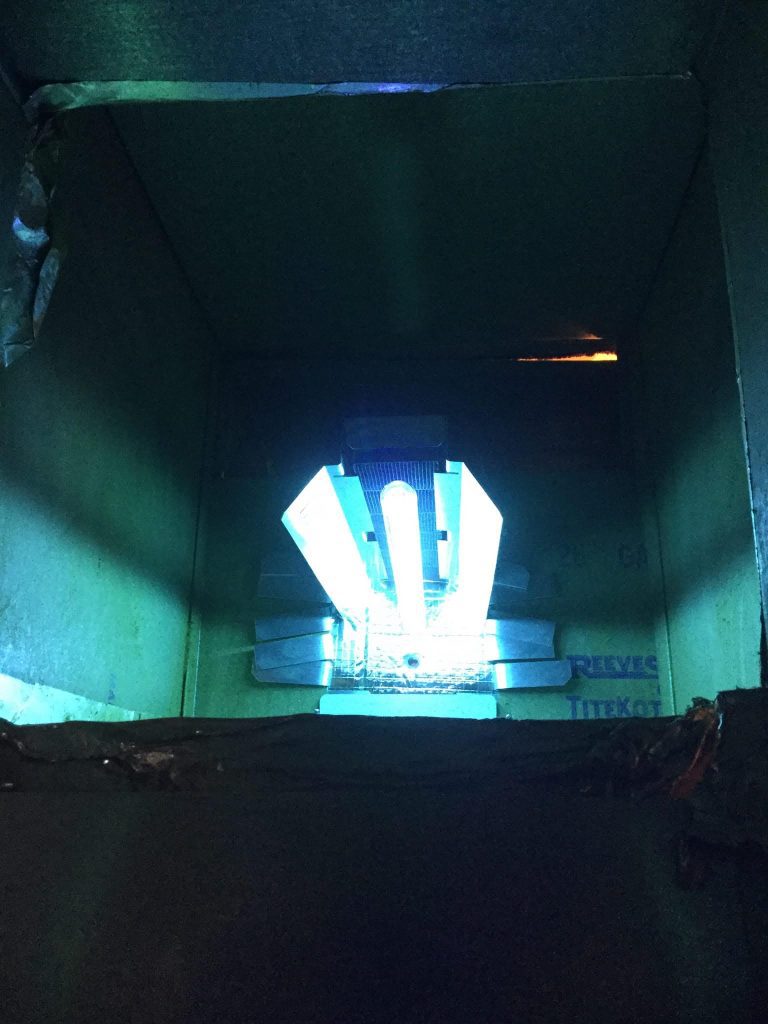
Another way to remove allergens from your home is by using an air purifier system that integrates into your home’s HVAC system. Options for purifiers include combinations of filtration and UV light to kill germs, boosting your overall health while keeping your air fresh.
If installing a permanent air purifier is not feasible, you can still benefit from smaller, portable air purifiers placed throughout your home.
Humidity control
High humidity encourages the growth of dust mites and other allergens that can trigger symptoms. A dehumidifier in a moisture-prone area of your house, such as the basement, will reduce your exposure to allergens and your home will also benefit overall. Low humidity dries mucus membranes, leaving you more susceptible to allergens while worsening symptoms. Adding a humidifier to your home’s HVAC system addresses this issue.
In both situations, proper control is critical so be sure and discuss this with a professional to get the right system (or systems) installed.
If you or someone in your family has allergies, it is worth having a professional evaluate your HVAC system. Give us a call or schedule service online. Our technicians will evaluate your existing system and can provide you with upgrade suggestions to help keep allergy symptoms at bay.
May is National Electrical Safety Month! Whether you are working from home, learning from home, or just spending more time at home, it is important to make sure your home is electrically safe, secure, and efficient.
Here are some facts about the average energy use in your home, steps you can take to increase the efficiency of your home, and information on common electrical safety devices.
Average home energy use
Do you know the average amount of energy your home’s appliances are using? According to the Electrical Safety Foundation International (ESFI), the following appliances and electrical systems consume the most energy:
- Air Conditioning: 17% of total home energy use
- Space heating: 15% of total home energy use
- Water heating: 14% of total home energy use
- Lighting: 10% of total home energy use
Prepare your home for safe & efficient energy use
There are several ways you can improve the safety and efficiency of your home. Some of the easiest ways include:
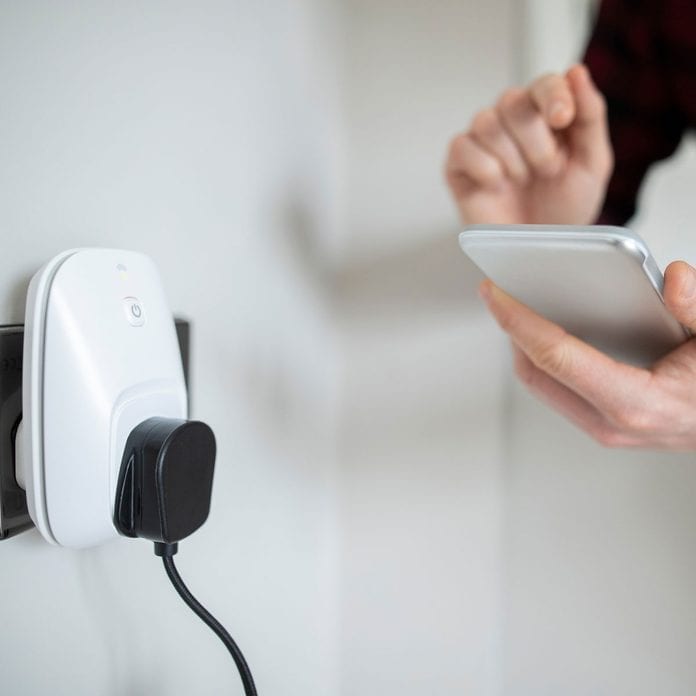
- Using a smart plug or power strip to control the power to devices when not in use
- Switching to LED lightbulbs, which last longer than traditional bulbs and use 25-80% less energy.
- Utilize energy-efficient space-heaters and fans when possible.
- Installing a home automation system to control your HVAC and lighting systems.
Common electrical safety devices
There are many common electrical safety devices you probably already have installed in your home. These include:
- AFCI breakers and outlets that protect you and your family against arc-faults (which can lead to fires).
- Grounded outlets that protect against electric shocks.
- GFCI outlets and breakers required to be installed wherever water and electricity may come into contact. These special outlets protect against ground faults.
- Surge protection devices that safeguard your appliances and electrical systems against damaging power surges which can destroy electrical equipment.
If you have any questions on energy-efficient upgrades or are unsure of your home’s current electrical safety devices, give our trusted electricians a call or schedule service online.
Ask any plumber and they will tell you that people often flush things down the toilet that really should not be flushed. They have cleared enough clogs from toilet drain pipes to know the worst things that people flush.
To prevent clogs (and save yourself the plumbing bill) never flushing any of the following things down your toilet.
Wet Wipes
Baby wipes, wet wipes, and cleaning wipes are often marked as "flushable" on their packaging. While they might not cause a clog right away, many of these wipes do not dissolve quickly enough and can result in clogs or backed-up sewer lines down the road. It is best to avoid flushing these wipes if possible.
Paper Towels
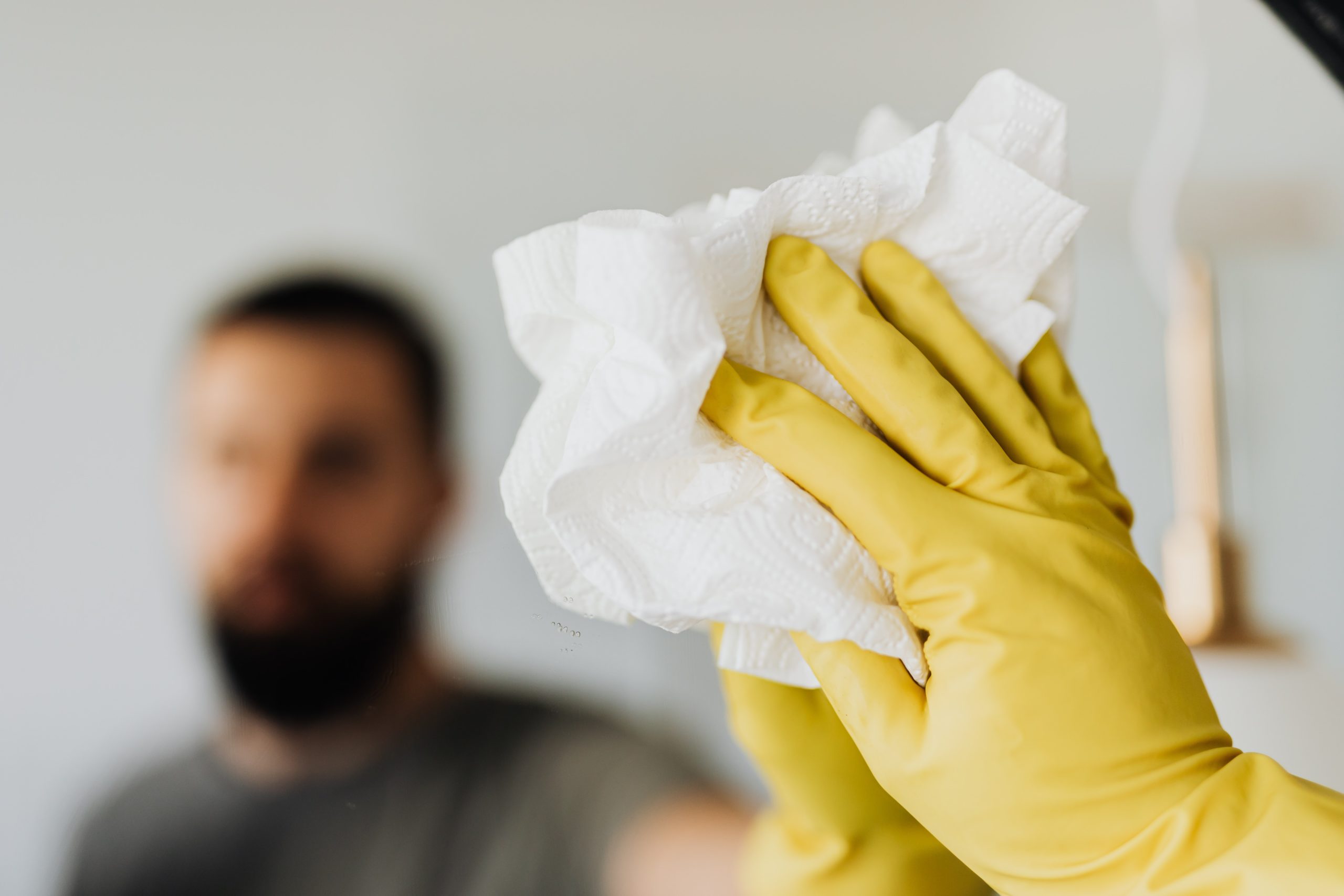
Tossing a paper towel in the toilet might seem like an easy way to get rid of it. The absorbency and thickness of paper towels, however, can easily cause clogs.
Feminine Hygiene Products
There is a good reason why public restrooms often have signs telling you not to flush feminine hygiene products down the toilet. Tampons and pads are designed to be ultra-absorbent and expand as they get wet. If you flush them, they will expand in your drain pipe. This can result in clogs.
Floss
Long strands of floss can wrap around other things when flushed, creating string balls. As they accumulate, these balls can create clogs.
Cotton Swabs
Throw used cotton swabs in the garbage because if flushed they will get clogged in the drain pipe and then act like a dam, blocking other things from continuing down the drain.
Hair
When you pull clumps of hair out of your brush, toss them in the trash. Avoid flushing them down your toilet, as hair does not dissolve and will worsen existing blockages in your drain pipe.
Too Much Toilet Paper
The problem with thicker, multi-ply, plush toilet paper is that it takes a bit longer to dissolve. If you have to use a lot of it, flush a couple of times rather than sending it all down at once.
If you have flushed some of these things down your toilet and notice signs of a clog, it is time to call in a plumber. At Tiger, we offer a "$73 or It’s Free!" drain clearing special. If our technicians cannot clear your clog, the appointment is free! Give us a call or schedule service online today.
For people with allergies, the outdoors can be a minefield of different allergens that trigger sneezing, sniffles, or congestion. Unfortunately, these same allergens are often present indoors. By keeping up on HVAC maintenance, especially duct cleaning, you can minimize your chance of spending spring and early summer in misery due to allergens.
Do you know what is lurking inside your ductwork?
One often overlooked maintenance item is duct cleaning. Air systems recirculate most of the air in the house and even if you keep on top of your filter replacement, unwanted particles can remain in your ductwork and make you ill.
Some of these common allergens that build up inside ductwork include:
- Dust Mites – These are microscopic arachnids that consume dead skin cells and thrive in dark, moist locations (like the ductwork of your home).
- Pet Dander – Pets shed dead skin cells just like we do. These cells remain in the air and tend to accumulate inside ductwork.
- Pollen – If you think you are safe from pollen indoors, think again! Pollen is virtually everywhere, especially during the spring and early summer, and can easily enter your home and build up inside ductwork.
- Viruses & Bacteria – While these are not considered allergens, nothing is worse than having allergy symptoms and another illness at the same time. Viruses and bacteria can accumulate and circulate throughout your home as a result of dirty ductwork.
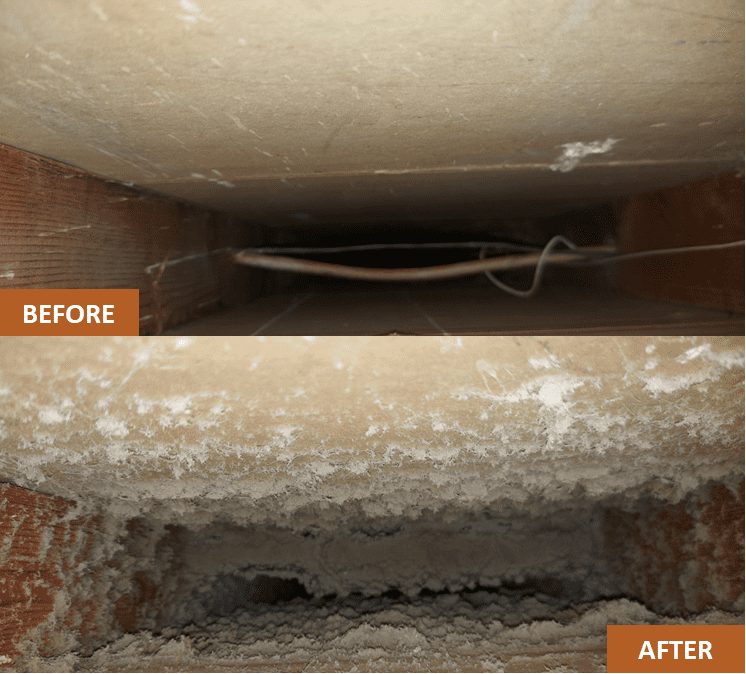
When should you schedule a duct cleaning?
You can do ongoing maintenance of grilles and portions of your ductwork using a vacuum cleaner but at some point, you need more. An HVAC professional has the equipment and expertise to remove long-accumulated dust and allergens from your home's ductwork. Cleaning your ductwork between heating and cooling seasons is recommended. Depending on your sensitivity, however, you may need to have your home's ductwork cleaned more often.
If you cannot remember the last time your home’s ductwork was cleaned, it’s time to call in a professional. Give us a call or schedule service online and our expert HVAC technicians will help you improve your indoor air quality.
With summer right around the corner, it's time to start thinking about switching off your furnace and turning on your air conditioner. As the temperature starts to rise, you might be concerned that your energy usage is about to climb as well. There are lots of simple ways to stay cool without breaking the bank.
Here are some tips to keep in mind for keeping your AC usage low as the seasons begin to change.
Fans
In the days before air conditioners were common for residential use, fans were the default cooling devices. When the temperature is still low, such as in the early morning or evening, shut off your AC unit to save on energy.

Increase your thermostat setting by one degree
You might be comfortable at 70 degrees but your body will not notice if you set your thermostat to 71 degrees instead. This small change can help you save on energy long-term, especially if you raise the temperature by a couple more degrees.
Night setback
As with heating, you can reduce energy consumption at night by lowering the demand for cooling. A programmable thermostat allows you to input settings and forget it while reaping the benefits.
Strategic tree planting
Trees provide shade and can lower the temperature around your home by at least a few degrees. Shading your windows and even the air conditioning unit itself will reduce its energy demand.
Close your curtains or blinds
A tree outside your window is not the only way to get shade. An even easier way is to close your curtains to buffer your room from the rising temperatures and, in turn, reduce you AC unit’s energy consumption.
Maintain your unit
A properly maintained air conditioner uses less energy. Have your unit tuned to keep it running without consuming too much energy.
Upgrade to a high-efficiency AC unit
On a hot day, there’s only so much an alternative form of cooling will provide. The best way to reduce the energy consumption of your air conditioning unit is to select one that uses less electricity. Consider upgrading to a high-efficiency unit to keep cool without overspending on energy.
If you need help prepping for the summer ahead or upgrading your unit before the season changes, give us a call or schedule service online and we can help make sure you stay cool while saving on energy.
A sewage leak into your house or onto your property is one of the worst plumbing disasters you could face as a homeowner. Besides the damage to your home, the bacteria present in sewage can make you and your family sick. There are two ways you can experience sewage leakage - backups and pipe breakage. While terrible, both are preventable.
Here are some tips for minimizing the risk of sewage leaks in your home.
Be careful what you put down the drain
The same precaution you take to ensure each sink and fixture does not back up is the same precaution that protects your entire system. Even if food or other unwanted items clear your drain, they can end up accumulating further downstream, resulting in a potential backup from multiple fixtures.
Call before you dig
The most preventable sources of damages are the ones you cause yourself. Be sure to call a professional to mark where your sewer pipe is prior to starting any work. Even if you have to pay a small fee, the protection to your home is worth it.
Ensure your trees are far away from sewage pipes
Tree roots that are too close to sewer piping can encroach and break the pipe, causing both a backup and leakage. If you find that most of your home’s fixtures are draining slower than normal, have a professional investigate the possibility of tree root encroachment and pipe damage. You may need to remove or relocate a tree before it makes the problem worse. Rerouting your pipe might be another option to investigate, so discuss with a professional.

Install a backwater valve
The function of a backwater valve is to stop sewage from entering your home if the city line becomes overwhelmed for any reason. Talk to a plumber to find out if you are permitted to have one, as some municipalities do not allow these valves to be installed on your home’s sanitary line. If permitted, consider adding this as extra protection against backups.
Protect existing piping
Spring is here which means more frequent rain showers. Rainfall can pose a serious threat to your home's sewer line. If soil conditions are poor, rainfall can cause movement which can damage your sewage pipe. Talk to a professional about how to ensure that your sewer line remains protected no matter the weather.
If you have concerns about your home’s sanitary system or think you might be at risk for a sewage backup, give us a call or schedule service online and we can provide you with options to help prevent these disasters.