





A home's electrical use is something most people rarely think about...until there is a problem. By keeping up to date with maintenance and repairs, you can save thousands of dollars and serious headaches by taking care of potential hazards before they become a problem.
Signs your home needs an electrical update
There are several indicators that your home may need an electrical update. Some of the most common signs include fuses that blow frequently, tripped breakers, flickering lights, and appliances that work inconsistently or not at full power. You should also pay close attention to electrical panels and old or damaged wiring. It is things like these that can easily lead to hazards such as electric shocks and electrocution.
If you see any of these signs in your home, it is worth calling in an electrician to take a look. Putting off necessary repairs is not only dangerous, but it could also be raising your energy bills.
Do not ignore your electrical panel
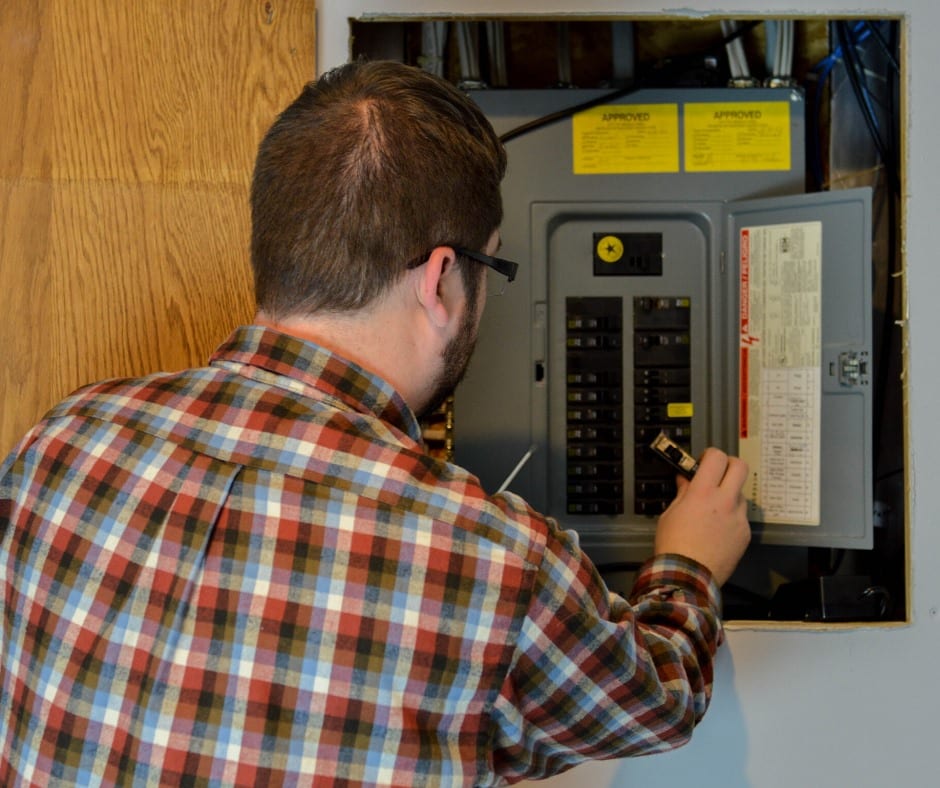
Are you looking for a way to get the most out of your home electricity usage? It might be time to update your electrical panel. If you are thinking about installing new electrical devices, it is possible that your home's current electrical panel is not equipped to handle these additions. Power overloads present real dangers to households and can lead to electrical fires, especially in older homes with extremely outdated panels.
If you have questions or concerns about your home's electrical panel or are considering an upgrade, call in a trained electrician to evaluate and make suggestions.
Leave repairs to the professionals
The value of a professional electrical contractor should never be overlooked. Qualified electricians understand the intricacies or residential systems and can recommend upgrades or repairs that would increase efficiency or safety. Not only can updating your home's wiring, breakers, and appliances improve your home's safety, but it can also increase the value when it comes time to put it on the market - not to mention saving you a fortune on utility bills!
Although not all electrical work is complicated, if you hook up wiring incorrectly, you can put your home's entire electrical system at risk.
Increase your home's value with electrical upgrades
Most modern technology requires households to be "plugged in" 24/7. If you have plans to sell your home in the future, a property that has the ability to keep up with the demands of modern technology will be worth more than a property with an outdated electrical system.
If you are in need of electrical maintenance or would like our trained and certified electricians to provide you with recommended upgrades, give us a call or schedule service online.
It is easy to take furnace safety for granted, especially if your unit is hidden in a room that you do not access very often. You do not normally need to think about it unless something goes wrong. While the main concern people have is the heat failing on cold days, there are other hidden dangers when it comes to your furnace.
Here are five tips to keep your furnace safe and protect your family.
Change your filter
A dirty filter reduces your home's indoor air quality and can make your family sick. They also waste energy by forcing your fan to work harder to push air through it and if ignored long enough, can cause a fire. Your furnace is designed to provide heat at a particular rate, and heat transfer from burners to the air requires a minimum flow. A dirty filter lowers this airflow and can cause the furnace to overheat.
Be sure to regularly change your filter to keep your furnace operating this winter and to keep your family safe.
Clean and maintain your blower
Dirt on your furnace's fan and motor can cause the unit to overwork and subsequently overheat. As with your filter, a neglected fan can affect your family's health as well as safety. Yearly tune-ups which, include lubricating the motor, will also reduce the risk of a fire in your furnace.

Keep your furnace room clean
The burners in your furnace need a certain amount of oxygen for complete combustion, otherwise, your furnace can produce carbon monoxide. If you have too much junk in your furnace room, this interferes with air entering the system. Flammable items in your furnace room can also multiply the risk of a fire, giving you more motivation to keep the space clear.
Keep your exhaust clear
Exhaust from your furnace needs to be uninhibited or it affects burner performance. Without proper venting, you risk higher carbon monoxide production and infiltration into your home. With this double danger, keeping your exhaust free from plants and other debris could make the difference between a warm winter and a nightmare filled with carbon monoxide alarms.
Have a professional check your burners and heat exchanger
Anything concerning the burning of fuels should be taken seriously. Poor-performing burners produce higher levels of carbon monoxide. Cracks in your heat exchanger introduce this dangerous air into your home through ductwork. Professional inspection during your seasonal tune-up will uncover early signs of these risks.
With temperatures dropping, if you want to make sure your furnace is operating efficiently and safely, give us a call or schedule service online.
Most homeowners understand the value of a properly functioning and efficient HVAC unit, however, the importance of ventilation is often ignored. You have probably heard that ventilation is critical for the health of your family and home, but exactly how important is it? And in what ways?
Here are four ways proper ventilation benefits your health and your home.
Minimizes carbon dioxide levels
A poorly ventilated space will build up carbon dioxide over time. Signs of carbon dioxide buildup include headaches, lethargy, and brain fog. The air you breathe needs to have just the right amount of oxygen for your body to function. This is especially critical for children's development and wellbeing. Removing stale air and replacing it with fresh outdoor air is the way to keep oxygen levels up.
Removes allergens
Combined with a clean, functioning furnace filter, ventilation is the best HVAC defense you have against allergen buildup in your home. If you have pets, you might need to increase your ventilation to compensate for anyone sensitive to dander. If a member of your household suffers from allergies, talk to a professional about the level of ventilation recommended to reduce irritants in the air.
Lowers volatile organic compound (VOC) levels
Volatile organic compounds are invisible gases produced by chemicals used in your home's construction, furniture, or other items. It is not realistic to completely rid your home of VOC sources, but proper ventilation allows you to lower your exposure to these toxic substances.
Prevents moisture buildup from damaging your home
Poor ventilation does not just affect your health. It also can damage your home. Besides staying safe from toxic gases and allergens that can make you sick, poor ventilation can cause the humidity levels inside your house to get too high. This can result in damage to surfaces, such as walls. High humidity can cause paint to peel and drywall to soften and disintegrate. In addition, excess moisture can cause the wood inside walls to rot and flooring to warp. Rather than deal with premature home repairs, ensure that ventilation is at the right levels to prevent it.
If you need help keeping your home and family safe and healthy with proper ventilation, give us a call or schedule service online.
Plumbing fixtures can serve you for many years without replacement. At some point, however, it becomes a bigger issue than just aesthetics. Like other components of your house, you need to maintain fixtures and this may mean replacement.
Here are a few ways to tell if it is time to replace a plumbing fixture in your home.
Buildup that is hard to clean
Over time, your fixtures are exposed to dissolved solids from water. These solids leave behind deposits on your fixtures that can create buildup even if you work hard to clean them regularly. If you notice that build-up is becoming increasingly difficult to remove, it is time to consider replacing the fixture.
High flow rates
Faucets with high flow rates might be convenient for certain uses but overall, it is costing you. Consider swapping out certain high-flow faucets in your home with a low-flow version to conserve water.
The fixture leaks
A leaky faucet can result in higher water bills (leaking money out your pocket) or, in more extreme cases, cause actual water damage (plus the higher bills!). This is an obvious sign for fixture replacement, and you should act on it as soon as possible.
Cracks and chips in fixtures
Your toilet might have a small crack at the base but still seems to stand up to everyday use. Unfortunately, this can turn into a safety hazard if not addressed. Fixtures with integrity issues can cause injury or damage to your home if they fail. It is important to replace fixtures, especially toilets, as soon as you notice any damage.
Faucet material
Older faucets may contain materials like lead that contaminate your water supply. Low levels can leech over time and even if you haven’t noticed signs of illness in your family, you do not want to wait until something happens before acting on it. If you suspect that your fixtures may contain a toxic material, call in a professional to review. They can put your mind at ease or replace fixtures that are possible safety hazards.
Old fixtures
Sometimes it is just time to let go of older fixtures and update your home. Newer fixtures conserve water and are typically less likely to degrade than older technology. You do not have to upgrade your toilet every two years, but if it has been a decade or more, consider replacement to reap the benefits that you did not know you were missing.
If you need help replacing a fixture in your home, or want advice on if replacement is right for you, our technicians are here to help. Give us a call or schedule service online today.
As if winter itself was not miserable enough, it’s also cold and flu season. You can reduce your chances of getting sick through frequent hand washing, proper diet, exercise, and lots of rest. Controlling your indoor environment with a reliable HVAC system also plays an important role in reducing your chances of falling ill this flu season.
Here are some ways your HVAC system can help keep your home’s conditions just right and reduce your chances of getting sick.
It keeps your air fresh
In the winter, you do not need to walk outside and freeze in order to get fresh air. The right ventilation system will bring in clean, breathable air that’s tempered just right. And with energy recovery, you do not have to worry about excessive energy bills.
It keeps you warm
Avoiding prolonged exposure to cold weather keeps your body’s immune system functioning. By staying warm, you can stay strong and healthy all flu season long.
It removes excess moisture
Excess moisture levels create a breeding ground for germs. A properly maintained HVAC system can lower these moisture levels, limiting the conditions in which pathogens thrive. Having exhausts in your bathrooms and kitchen helps to remove moist air that can build up and cause problems associated with high humidity. Not only will you reduce your chance of getting the cold and flu, but you will not have other microbes making you sick or worsening your symptoms.
It adds moisture where needed
If, on the other hand, your problem is air that is too dry, a humidifier connected to your HVAC system can solve that problem. By maintaining the right humidity, you will not have to worry about a dry nose making you susceptible to the cold and flu.
It filters out the germs
As long as you maintain your furnace and replace the filter regularly, your home’s air will have less dust, and with the right filter, fewer germs. Cleaner air means less severe symptoms and quicker recovery if you do catch a bug. Regularly maintaining your furnace can also reduce your chances of getting sick in the first place!
Your HVAC system keeps you comfortable
Finally, the most important function of your HVAC system: keeping you comfortable. In addition to keeping conditions right for your body, a comfortable indoor temperature also lowers stress so your immune system can work. Exposing your body to uncomfortable conditions, in general, will reduce your ability to deal with the germs that you will inevitably encounter.
If you are ready to take the steps to maintain or improve the air quality or comfort levels in your home, give us a call or schedule service online.
When you think about HVAC system performance, the first thing that usually comes to mind is your furnace. While that is a critical feature of your home’s heating, it is not the only part. A perfect furnace is useless without proper air distribution.
Here are five ways air distribution issues affect your home.
Hot and cold spots
The most obvious sign that your air distribution is inadequate is the presence of hot or cold spots in your house. An area without enough warm air will be cold in winter. Similarly, too much hot air will overheat a room. You can end up with this situation if you do a renovation and move room walls. Before starting any major renovations, make sure you consider your HVAC system. You may need to modify ductwork or add grilles, especially if your external walls are affected by the renovation.

Humidity issues
Poor air distribution can result in areas of high or low humidity depending on whether you are in heating or cooling mode. There is a myriad of health and safety issues that can come as a result of high or low humidity.
To minimize the risk of humidity problems, have a professional review the supply and return ductwork as well as airflow in your home.
Poor ventilation
For furnaces with integrated ventilation, poor circulation can affect the distribution of fresh air and removal of stale air. Even if your home does not have ventilation as part of the main air distribution, low airflow can create pockets of stagnant air that will affect air quality.
Have a professional review your duct distribution and airflow if you think poor ventilation is to blame for your air distribution issues.
Fan performance
Poor air distribution can put stress on your furnace blower which has to work to overcome resistance to airflow. This is mostly a problem for poorly built ductwork, but you can also run into this issue if your ducts need to be cleaned. Stay on top of duct cleaning and maintenance and if, despite these efforts, you still have issues, have a professional assess your duct layout to find and fix any problem areas.
Energy consumption due to poor air distribution
If your blower is struggling, this translates to higher energy use. You may also have to adjust your thermostat to compensate for hot or cold spots. This all adds up to higher energy consumption, increasing your costs while reducing comfort.
If you need help with your air distribution system or if you are having issues with indoor air quality or ventilation, give us a call or schedule service online.
In the hustle and bustle before the holidays begin, it is easy to put less urgent things on the backburner. When it comes to your home, a loose doorknob on a rarely used cupboard might not be much of an issue. Small plumbing problems, however, can escalate quickly.
Here are six common plumbing problems you should never ignore.
Leaking pipes and faucets
What starts out as a small drip can quickly turn into a major leak. Not to mention your money is literally going down the drain with every extra gallon of wasted water you are paying for. Plumbing problems like leaks in hidden pipes are harder to identify, so look for evidence of damp walls, wet cabinets under skinks, and the sound of water dripping in places where it should not be.
Leaking toilet valves
As with faucets and pipes, this common plumbing problem can quickly inflate your bill. Leaking toilet valves also create an increased risk for overflow if the toilet ever becomes clogged.
Sudden increase in your water bill
You might not notice a leak, but your bill shows a sudden increase in consumption without explanation. If this happens, do not wait. Unexplained increases in your water bill can point to hidden leaks. Call in a professional to address this plumbing problem.

Problems with sink or tub drainage
It might just seem like an inconvenience at first, but a drain that does not clear quickly can turn into a disaster. If you have multiple sinks or tubs that are slow to drain, call in a professional to look at it because this may point to a larger problem.
Uninsulated pipes in unheated spaces
If you move into a new home and notice uninsulated piping in any unheated spaces, like the attic, crawlspace, or exterior wall, have it insulated as soon as possible. Even if you have been in your home for years and have never experienced frozen pipes, you never know when a colder than normal winter might hit or your home's heating might fail long enough to allow for pipes to freeze.
Water heater temperature dropping
If you crank your hot water all the way up and it is tepid at best, you may have a larger plumbing problem on your hands. It is more than just health and convenience. A poorly performing electric heater can cause electric shock and issues with gas water heaters can result in carbon monoxide production.
If you are experiencing any of these plumbing problems at home, do not procrastinate. Give us a call or schedule service online and address the problem before it turns into a major headache.
A majority of fires are caused by malfunctions in the wiring of a home. The good news is that if you understand the warning signs, you can prevent a potential disaster.
Here are five warning signs that you should have your wiring examined right away.
1. Flickering Lights
If you turn on an appliance, like your dishwasher or microwave, do you consistently notice any of the lights in your home begin to flicker or steadily dim? When those appliances turn off, do you see the lights brighten? This fluctuation may mean there is a problem with the wiring of your lights, but it most likely means your major appliances are drawing too much power from the circuits to which they are attached.
Have a professional inspect your panel and wiring to avoid further complications.
2. Funny Smells
Do you notice consistent burning smells that seem to be coming from outlets or fixtures? This is a sure sign that the wiring of your home needs to be inspected. If you smell strange burning smells and struggle to identify the source, it might be due to faulty wiring which is a fire hazard.
3. Hot to the Touch
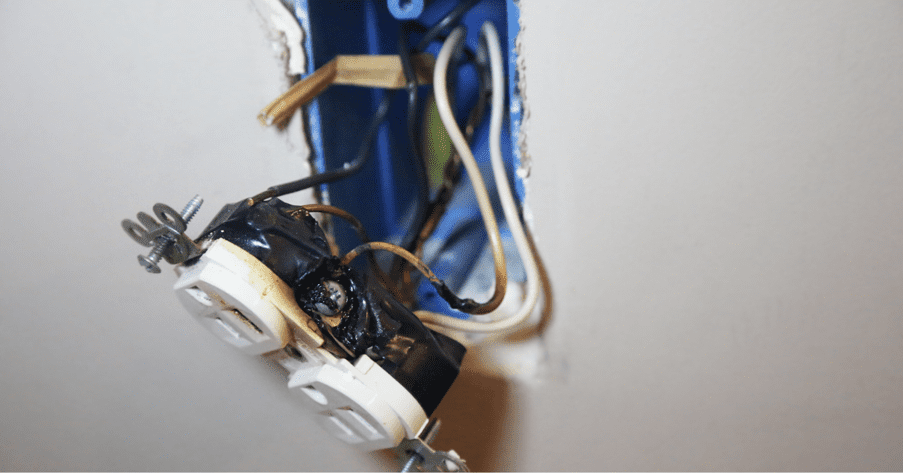
While certain appliances will naturally put off heat, wall outlets and light switches should not be hot to the touch. While they may be slightly warm due to electrical current, they should never be uncomfortable to touch. Hot outlets or switches are a sure sign that something is seriously wrong, especially if you notice scorch marks around the plug.
Turn off the switch or unplug any appliances connected to the hot outlet, and call in an electrician to check for faulty wiring.
4. Buzzing
Old appliances can make buzzing noises. This normally means they are working hard or their life is coming to its end. If you start hearing buzzing noises from your outlets or light bulbs, however, this can point to more serious problems with your home’s wiring.
5. Tripping Breaker
You may notice that you trip the breaker in your house whenever you use certain outlets or turn on specific appliances. If you notice a tripping breaker with a low-level use of power, this likely means there is a wiring problem that needs to get dealt with.
Electrical problems, especially those that are the result of faulty wiring, are serious fire hazards. Call us or schedule service online and our electricians will address and correct any issues you may have.
Having a home that is not properly heated can do more than cause misery during cooler weather. Your family’s health can be affected by the conditions in your house, including temperature.
The first step in figuring out why your home is so cold is to identify the root cause. Here are 5 ways to assess the cause of your home’s heating issues.
Cold air leaking in through windows and doors
Leakage of warm air to the outside, or leakage of cold air into your house, is a relatively easy fix. If you feel a draft near your windows and doors, have them sealed to keep the air where it should be. Adding a layer of insulation with curtains or blinds can also help with temperature control.
Poorly installed ductwork
Cold air near your windows may not necessarily be due to a leaky window. Grilles should be placed under your windows because heat flows through glass easier than through walls.
If your windows have been sealed, but you still notice cold spots near them, have a professional modify your ductwork to add a grille. If you already have the grille in place, you might need to rebalance or address another issue with air distribution in your home.
Faulty furnace blower
A cold home might be caused by your furnace blower. An underperforming fan will not blow enough air to reach the furthest place in your home, resulting in cold spots. Have your furnace inspected, tuned, and serviced if needed to ensure your home receives the heating it needs. You will benefit from energy savings as well as improved heating!
Malfunctioning thermostat or controls
Your thermostat communicates with the furnace and lets it know when heating is actually needed. If it is not reading the temperature correctly or cannot communicate with your furnace, you will have issues with both overheating and a cold home.
If your furnace is not coming on when it should or is running continuously despite adequate indoor temperatures, have a professional inspect the thermostat and furnace controls.

Cold house due to poorly performing burners
Poorly performing burners will be inefficient at first and then grow more ineffective as time goes on. The air coming through your grilles will be cooler than it should and you will end up shivering during cold days.
Addressing this issue immediately is important as it is also a safety concern. A poorly performing burner can produce carbon monoxide.
If you need help figuring out why your home is not properly heated, give us a call or schedule service online and we can help make sure you are not shivering this fall and winter!