





If you live in an older home in Illinois, there's a good chance your foundation includes a crawl space. These spaces can be vulnerable to moisture due to heavy spring rains, winter snowmelt, and high humidity levels. Homeowners in Bloomington, Peoria, Collinsville, and Springfield often don’t realize there’s a problem until the damage is done.
At Tiger, we specialize in diagnosing and solving crawl space moisture issues. In this blog, we’ll explore why water in your crawl space is more than a nuisance, and how you can protect your home from long-term harm.
Why Water in Your Crawl Space Is a Problem
Moisture in your crawl space doesn’t just stay hidden. It spreads. The impact can be structural, environmental, and even health related. Here’s why it needs immediate attention:
- Structural Damage - Water can weaken the wooden beams and joists under your home, leading to sagging floors or shifting foundations over time.
- Mold & Mildew - Dark, damp conditions create the perfect environment for mold growth. Crawl space mold removal becomes essential if spores start spreading through your home’s air.
- Pests - Moisture attracts insects, rodents, and other pests that can chew through insulation, wiring, and wood.
- Energy Efficiency - Wet crawl spaces disrupt the insulation and temperature balance beneath your home, forcing HVAC systems to work harder and increasing your utility bills.
- Potential Health Concerns - Mold spores and poor air circulation can worsen allergies, asthma, and other respiratory conditions.
Common Causes of Water in Crawl Spaces
Water buildup in a crawl space often stems from more than one issue. Understanding these common causes can help you take action before damage sets in:
- Poor Drainage - Ineffective exterior drainage can lead to water pooling around your foundation and seeping into the crawl space.
- Foundation Cracks - Even small cracks in foundation walls or footings can let water inside during heavy rainfall.
- Plumbing Leaks - A slow leak from a pipe can introduce constant moisture. Tiger offers expert leak detection and repair to resolve the problem at its source.
- Humidity - High humidity levels, especially in summer, can cause condensation to form along surfaces in the crawl space.
- Grading and Property Slope - Improper slope around your home can direct water toward your foundation instead of away from it.
Solutions for Water in Your Crawl Space
Every home is different, which is why we take a customized approach to crawl space waterproofing. Here are the most effective solutions we provide:
- Sump Pump Installation - Installing a sump pump can keep water out by collecting and redirecting it away from your home. Our licensed plumbers can repair or install the right pump for your property.
- Crawl Space Waterproofing - Crawl space waterproofing services help seal out moisture, prevent mold growth, and support better air quality throughout your home.
- Improving Ventilation - Adequate airflow prevents condensation and helps maintain a dry crawl space. Our team can assess and upgrade your crawl space ventilation if needed.
- Foundation and Drainage Repairs - Sealing cracks and adjusting exterior drainage can eliminate water entry points and prevent future problems.
- Insulation Replacement - Wet or damaged insulation should be replaced to maintain comfort and energy efficiency in your home.
Choosing Tiger for Your Home’s Crawl Space Solutions
Tiger has been serving homeowners in Illinois for years. From Springfield to Collinsville, we understand the unique challenges of maintaining a home in this climate. Our technicians are fully licensed, experienced, and equipped to handle everything from minor moisture concerns to complete crawl space waterproofing and repairs.
Schedule Your Service with Tiger
Water in your crawl space can affect your home’s value, comfort, and health. Don’t wait to take action. Tiger is your trusted local expert in crawl space waterproofing, sump pump installation, and leak detection across Bloomington, Peoria, Collinsville, and Springfield.
Call Tiger at (618) 484-9822 or schedule your service online to protect your home today.
Schedule Online(618) 484-9822If you're searching for ways to stay more comfortable indoors while easing the strain on your HVAC system, you may not need to look further than your ceiling fan. Often overlooked, ceiling fan direction plays a vital role in seasonal comfort and efficiency. With quick seasonal adjustments, homeowners in Bloomington, Peoria, Springfield, and Collinsville can better regulate airflow, support indoor air quality, and even reduce utility costs.
Let’s take a closer look at how ceiling fan direction works and why it’s one of the simplest, most affordable steps you can take to improve comfort year-round.
Ceiling Fan Direction: Not a Myth
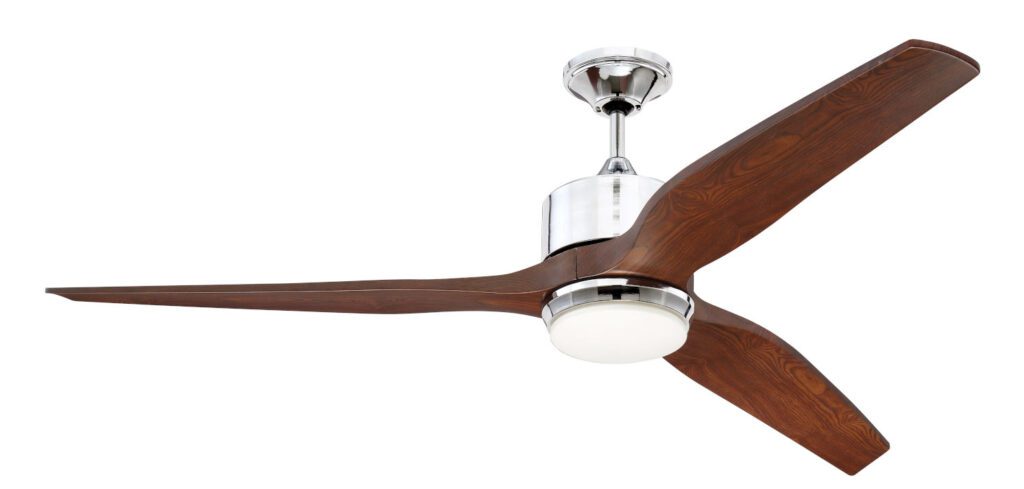
It’s not just an old trick; ceiling fan direction genuinely matters. Depending on the time of year, switching your fan's direction can enhance indoor airflow and make your home feel warmer or cooler. This simple change supports your HVAC system without forcing it to work harder, especially during temperature extremes common in Illinois.
How ceiling fans work:
Ceiling fans don’t lower or raise the temperature in your home. Instead, they move air in specific ways to create a perceived temperature change:
- Counterclockwise (downward airflow): Best for summer. This creates a cooling breeze effect by pushing air downward.
- Clockwise (upward airflow): Best for winter. This gently recirculates warm air that naturally rises, pushing it back down toward living spaces.
Adjusting fan direction is an easy, seasonal tool to combat Peoria’s humidity and Springfield’s cold snaps, while giving your HVAC system a little help along the way.
Ceiling Fan Direction for Illinois Summers
Summer in Illinois means high heat and humidity. In cities like Bloomington and Peoria, air conditioning runs almost nonstop through July and August. That’s where your ceiling fan can make a noticeable difference.
Recommended Direction
In summer, your ceiling fan should spin counterclockwise. This creates a steady downward airflow that produces a cooling breeze. When you stand beneath the fan, you should feel air blowing directly downward.
Impacts
Although ceiling fans don’t lower room temperature, the movement of air across your skin makes it feel several degrees cooler. This wind-chill effect can make a room feel 4 to 6 degrees cooler than it actually is.
Energy Benefits
If a room feels cooler thanks to fan-assisted airflow, you can raise your thermostat by a few degrees without sacrificing comfort. Reducing the workload on your AC system not only lowers energy usage but can also extend the life of your equipment.
Additional Tips for Summer
- Use fans only in occupied rooms for maximum benefit
- Schedule regular air conditioner tune-ups to ensure efficiency by working with a local HVAC professional you trust
- Close blinds during peak sun hours to reduce heat gain
- Keep ceiling fans on a medium to high setting during the hottest days
Ceiling Fan Direction for Illinois Winters
Winters in Springfield and Collinsville can bring freezing temperatures and dry indoor air. Ceiling fans can support your home’s heating system by redistributing warmth more evenly throughout the room.
Recommended Direction
During the colder months, switch your fan to spin clockwise at a low speed. This creates a gentle updraft that draws cooler air up and pushes warmer air, trapped near the ceiling, back down along the walls and throughout the space.
Impacts
You may not feel a strong breeze like in summer, but the improved circulation can help eliminate cold spots and keep the temperature consistent throughout your home.
Energy Benefits
Better heat distribution means your furnace may not need to cycle on as frequently. This helps reduce wear on the system and can lead to energy savings, especially in larger rooms with high ceilings.
Additional Tips for Winter
- Lower your thermostat slightly to conserve energy
- Use humidifiers to combat dry winter air
- Check filters monthly and replace if needed
- Don’t skip your seasonal furnace maintenance, especially before peak winter, keeping your heating system in top shape makes all the difference
How to Adjust Your Ceiling Fan Direction
Changing your ceiling fan’s direction is usually a simple task. Here’s how to do it:
- Turn off the fan and wait for the blades to stop completely
- Locate the small switch on the motor housing (usually near the light fixture)
- Flip the switch:
- Downward airflow (counterclockwise) for summer
- Upward airflow (clockwise) for winter
- Turn the fan back on and adjust the speed based on comfort
Some modern fans include a remote or wall control that lets you change direction without climbing a ladder.
Choosing the Right Ceiling Fan for Your Illinois Home
If you’re installing a new fan or upgrading an older model, keep these key factors in mind to ensure comfort and performance year-round:
- Size and Room Fit: Match the fan blade span to the size of your room. Larger rooms need fans with longer blades for proper circulation.
- Energy Efficiency: Look for ENERGY STAR certified models to keep operating costs low.
- Style and Smart Features: Choose a fan that matches your décor and offers features like a remote control, dimmable lighting, or smart home compatibility.
Tiger’s Here to Help
Ceiling fans may seem simple, but when used correctly, they can enhance comfort and reduce HVAC strain all year long. From humid summers in Peoria to winter chills in Springfield, adjusting your ceiling fan direction is a small change that can deliver noticeable results.
If you're considering a new ceiling fan or want expert help with installation, Tiger is here to help. We proudly serve homeowners in Bloomington, Peoria, Collinsville, and Springfield with electrical services backed by professionalism and local experience.
Call us at (618) 484-9822 to speak with a local expert about ceiling fan installation or other electrical upgrades for your home.
Schedule Online(618) 484-9822
Sweltering in your Springfield home with a rising energy bill? You’re not alone. Illinois summers bring long stretches of heat and humidity that push AC systems to their limit. But with a few smart strategies, you can stay cool and lower summer cooling costs.
Whether you’re managing Peoria’s industrial heat, Bloomington’s humid evenings, or the summer sprawl of Collinsville and Springfield, these tips can help reduce energy use without sacrificing comfort.
Understanding Summer Cooling Costs in Illinois
From June through September, Illinois humidity levels often reach 60 to 80 percent. That moisture makes air conditioners work harder to maintain comfort. In areas like Peoria and Bloomington, older homes with outdated insulation and HVAC systems are especially vulnerable to rising costs.
Key contributors to high cooling bills include:
- Constant AC use to control humidity
- Leaky windows and poor attic insulation
- Lack of system maintenance
- Poor indoor air quality reducing airflow
Your HVAC system plays a key role not only in temperature control but also in managing energy use and indoor comfort to help with lo.
Energy-Efficient Summer Air Conditioning Tips
Schedule Regular HVAC Maintenance
A seasonal AC tune up can improve efficiency by up to 20 percent. This service includes cleaning, inspecting, and adjusting key components to prevent breakdowns and improve performance.
AC tune up cost typically ranges from $85 to $150. In humid regions like Collinsville and Peoria, this small investment can help avoid larger repair bills later.
Use a Programmable or Smart Thermostat
Smart Strategies to Lower Summer Cooling Costs
Smart thermostats automatically adjust your home’s temperature based on your schedule. ENERGY STAR estimates this can save up to 10 percent on cooling costs, or around $50 to $100 annually.
Set the thermostat to 78°F while at home and raise it a few degrees when away. This works well in places like Springfield, where daytime highs can swing quickly.
Seal Air Leaks and Improve Insulation
Leaky doors and windows allow cool air to escape. Additionally, sealing ductwork and adding insulation can reduce cooling costs by as much as 30 percent.
Simple upgrades like weatherstripping and attic insulation are especially effective in older homes around Springfield and Peoria.
Use Ceiling Fans and Ventilation
Ceiling fans don’t lower the temperature, but they make rooms feel cooler by moving air across your skin. That lets you raise the thermostat a few degrees without losing comfort.
Run fans counterclockwise in summer and open windows at night when possible, especially in Bloomington where the evenings are often cooler.
As your local indoor air quality experts, we're also happy to offer ceiling fan installation services to fellow Illinois homeowners!
Block Heat with Window Treatments to Lower Summer Cooling Costs
Curtains, blinds, or reflective shades can block up to 45 percent of solar heat. Install these on south-facing windows to lower indoor temperatures and reduce strain on your AC system.
This approach is especially helpful in Peoria homes that get direct afternoon sun.
Optimize Air Conditioner Settings
Each degree you raise the thermostat above 72°F can reduce energy use by 3 to 5 percent. Setting your system to 78°F provides a good balance of comfort and efficiency.
Use the “auto” setting rather than “on” to avoid running the fan constantly. This helps in high-humidity areas like Collinsville where systems already work overtime.
Maintain Indoor Air Quality
Clogged filters and poor air quality reduce airflow and make your HVAC system work harder. Replace filters monthly during heavy use and consider using an air purifier if you’re dealing with pollen or pet dander.
This is especially important in Bloomington, where pollen counts can spike in the summer.
Choose Tiger for regular AC repair or maintenace. We'll help ensure your HVAC's running optimally year-round.
Long-Term Cooling Tips
- Upgrade to a high-efficiency HVAC system. Replacing an older unit can cut energy use by 20 to 40 percent.
- Add shade with trees or awnings. Even partial shading can reduce indoor heat gain.
- Look into utility rebates or tax credits. Illinois homeowners may qualify for savings when upgrading to energy-efficient systems.
- Use zoned cooling systems. These allow for targeted temperature control and reduce waste in unused areas.
Common Cooling Mistakes to Avoid
Some habits may be costing you more than you think:
- Overcooling the home. Setting the thermostat too low wastes 10 to 15 percent in energy.
- Skipping seasonal maintenance. A neglected system runs inefficiently and is more likely to fail.
- Blocking vents. Furniture or boxes that cover vents reduce airflow, which is common in older Bloomington homes with tight layouts.
Lower Summer Cooling Costs This Season with Tiger
Summer heat in Illinois can be relentless, but high energy bills don’t have to be part of the equation. With smart habits and regular HVAC care, you can stay cool and comfortable without overspending.
Tiger proudly serves Peoria, Bloomington, Springfield, and Collinsville with trusted AC maintenance, repairs, system upgrades, and energy-saving solutions. Whether you’re prepping for the season or planning long-term improvements, we’re here to help you keep your cool.
Contact us today for more information, or schedule an appointment online today!
Schedule Online(618) 484-9822Signs You Need a Backflow Preventer
Backflow isn’t something most homeowners think about until something smells off, water runs brown, or pressure drops without warning. But when water reverses direction in your plumbing, it can carry contaminants right into your drinking supply.
For families and businesses in Illinois communities like Bloomington, Peoria, Collinsville, and Springfield, a backflow preventer isn’t just smart plumbing. It’s essential protection.
What Is a Backflow Preventer and Why It Matters
Water is supposed to flow one way: out from your taps, showers, and sprinklers. But in some situations, such as a pressure drop or plumbing failure, that flow can reverse. When it does, chemicals, fertilizers, or even sewage can back up into your clean water system.
That’s what backflow prevention is designed to stop.
Backflow preventers, such as check valves and pressure vacuum breakers, keep water moving in the right direction. These devices are especially important in properties with:
- Lawn irrigation or sprinkler systems
- Fire suppression setups
- Swimming pools
- Boilers and commercial equipment
Without a working backflow valve, there’s a real risk of contamination. In some cases, this can violate local plumbing codes or, worse, endanger the health of everyone using the water.
Key Signs You Need a Backflow Preventer or Backflow Preventer Repair
If you’ve noticed anything off about your water, or if your property includes higher-risk plumbing systems, it may be time to install or service a backflow preventer. Here are some common red flags:
- Discolored or Foul-Smelling Water
Water that looks rusty, brown, or smells strange could indicate a cross-connection with a contaminated source. - Low Water Pressure
A sudden drop in water pressure isn’t always a leak. It might be caused by a backflow issue or a faulty preventer. - Plumbing Backups
Frequent clogs or backups, especially across multiple drains, can point to underlying pressure imbalances, which increase the risk of backflow. - Sprinkler or Irrigation Use
Outdoor systems are common entry points for pesticides or lawn chemicals to be siphoned back into the home’s water. A preventer blocks that reversal. - Appliances That Use Large Volumes of Water
Boilers, fire systems, and pool equipment may require their own backflow protection to stay compliant with plumbing code. - You’ve Been Told Your Area Requires It
In many Illinois municipalities, backflow preventers are required by law, especially in commercial properties or homes with complex water systems. - Recent Backflow Testing Failed
If you’ve had a professional test your backflow system and it didn’t pass, don’t delay repairs or replacement. The longer you wait, the greater the risk.
Consequences of Ignoring Backflow Issues
The stakes are higher than most people realize. A single backflow event can expose your water to bacteria like E. coli, cleaning chemicals, or industrial waste.
The consequences can include:
- Health risks from contaminated drinking water
- Damage to plumbing systems and appliances
- Costly repairs or even fines for non-compliance with local ordinances
- Environmental harm if contaminants enter public water systems
Even a relatively minor incident can require expensive mitigation, and the liability for water contamination can fall on the property owner.
Backflow in Illinois
Backflow prevention is more than a plumbing recommendation. It’s part of statewide water safety enforcement. According to the Illinois EPA, recent backflow incidents across the country and within Illinois have led to tighter monitoring of cross-connection control.
In 2021 and 2022, testing revealed PFAS contamination in the water supplies of 21 Illinois communities, including some near Collinsville, like Edwardsville. Over 400,000 residents were affected. In Lincoln, PFAS levels measured 5.5 parts per trillion, well above the federal limit of 4 ppt.
While PFAS is often linked to industrial runoff, poor backflow protection can allow these chemicals to migrate into residential or commercial plumbing systems. It’s a statewide concern, and it starts with individual responsibility.
What to Do If You Notice These Signs
If you suspect a backflow problem, don’t try to diagnose or fix it yourself. Here’s what to do:
- Call a Licensed Plumber
A trained plumber can inspect your system and identify whether a backflow issue is developing. Our water treatment specialists can determine the source of the issue and take immediate action to solve it. - Arrange for Backflow Testing
Testing is often required by local ordinances, and it’s the only way to know if your system is working correctly. - Discuss Installation Options
If your property doesn’t yet have a backflow preventer, your plumber can walk you through the best solution, whether it’s a basic check valve or a more complex reduced pressure zone assembly. - Stay Compliant
Plumbing codes vary by city, and failing to meet them could lead to fines or required upgrades. A professional will make sure your installation meets all local standards. - Avoid DIY Fixes
These devices protect public health and require proper configuration. When it comes to water safety, guesswork isn’t an option.
Don’t wait. Contact Tiger or opt for online scheduling today to protect your water supply.
Schedule Online(618) 484-9822
A cold shower can sometimes be a treat in the heat of summer. But other times of the year, not so much. If you live with other people, you may find yourself juggling bath times with chores that need hot water because it runs out too soon. If this is an ongoing problem, here are five reasons why and how to deal with it.
Hot water system undersized
This is the first and most obvious possibility. If your tank is too small for your needs then the most straight-forward solution is to replace your heater with a larger unit, depending on your budget and available space. A tankless system might not be sized correctly for the number of fixtures demanding hot water simultaneously and you may need a larger heater.
Heater not functioning as it should
If your heater has served you well for the most part but suddenly doesn’t provide the hot water you need, you may need to repair or replace it. The heating element may need to be replaced (for an electric heater) or your burner may be struggling (for a gas heater). If your hot water temperature isn’t getting up to the level it should, or if you’re faced with intermittent lack of hot water, call Tiger to inspect your system and find a solution!
Inefficient appliances
Appliances that use way more hot water than they should will contribute to less available hot water. You’ll know the culprit if you run into trouble only after using it. If your appliance is near its end of life, a newer model would be more efficient. It could also indicate a fault with your appliance, so you may need to repair or replace it.
Inefficient water heater
Your heater may be sized correctly and may be functioning but doing so inefficiently. Review your energy bills for recent increases that could signal additional power draw from your water heater during the peak use months. This may be a challenge since there are other sources of energy consumption that affect your bills, we are happy to help get to the bottom of your situation!
Hot water tank buildup
If there’s a buildup of deposits in your hot water tank, it reduces the heat transfer needed to maintain the water temperature. It may seem like you don’t have enough hot water while the actual cause is slow heating to maintain your hot water temperature. If you find the hot water taking inordinately long to replenish after it runs out, this may be the issue.
You don’t have to suffer through ice baths or waiting ages to get the dishes done. Give us a call and we can help you solve your hot water issues!
If you have concerns about whether your plumbing is prepared for spring and the coming warmer weather, give us a call or schedule service online. Our trained and certified technicians are here to take care of springtime plumbing issues and any other plumbing problems you may have.
A good plumber is like gold. A great plumber is…well, priceless. You can have issues that come up rarely and are dealt with quickly or you can be stuck with problem after problem that never gets solved in a timely manner.
Here are the characteristics of a truly professional plumber.
They communicate
Good plumbers communicate with you. Whether they are running late to your home, or there is a delay in acquiring a part, you are notified in a reasonable time frame. Even though some plumbers are better at communication than others, you should feel comfortable that there is nothing that is being ignored.
They listen
Plumbers are professionals so they know the ins and outs of plumbing systems. But you are the one who deals with your home’s plumbing on a daily basis. A good plumber listens to your concerns and experiences before jumping to conclusions. They pick up on your preferences or financial concerns when guiding you to the best solution.

They explain the problem clearly
In addition to communicating with you in a timely manner, a good plumber’s explanations of your problems are clear and understandable. You should leave the conversation with an understanding of what is happening and be comfortable that the proposed solutions are best for you.
They provide cost-effective solutions
Plumbing can get expensive so you want a plumber who can offer a range of options to suit your budget as much as possible without sacrificing quality. At Tiger Plumbing, you can always be assured our professional plumbers will offer you several options for your projects that fit your budget and let you make the decision on how to proceed.
They help prevent issues before they happen
A plumber that pays close attention to your situation will find issues before they happen. Even if they only deal with the current problem, they should bring possible problems to your attention early and provide solutions you can implement right away if possible.
If you need a plumber that you can rely on, trust the professionals at Tiger Services. Our licensed plumbers and experienced technicians will make sure your plumbing problems are taken care of and prevent issues with your system before they happen. Give us a call or schedule service online today.
Spring might be just around the corner, but furnace season is still in full swing. Because of the colder weather, you might have noticed an increase in your natural gas utility bills.
Let's take a look at why your natural gas bill can be so high this time of year, and some steps you can take to reduce this expense.
Why is your natural gas bill so high?
Where do you use natural gas in your home? You probably have a natural gas water heater. You might have a natural gas stove and maybe a gas clothes dryer. So for much of the year, your natural gas bill is probably fairly predictable and low, but when the temperature drops and you start running your natural gas furnace, the bill can spike up fast! On colder days, depending on where you live, you could be heating your house to be 20, 30, 40, or even 50 degrees above the outdoor temperature. That takes a lot of energy!
Now, if you do have a natural gas stove, you might be using it more this time of year. People tend to like more warm meals and baked favorites. And if you have a gas dryer, people do tend to layer up our clothes in cooler weather and this ultimately means washing more clothes and drying more clothes.
What can you do to reduce your natural gas bill?
Turn the thermostat down - This is the number one way to reduce your natural gas bill. According to the Department of Energy, lowering the thermostat by 7 to 10 degrees for eight hours per day can reduce your gas bill by as much as 10%. Consider making these changes if you are away from home for work during the day, or if you enjoy sleeping in cooler temperatures.
Install a smart thermostat - Smart thermostats make controlling the temperature in your home easy. They can be programmed to raise and lower the temperatures on a set schedule throughout the week. Smart thermostats allow you to lower your temperature during the day, and then raise it back up 30 minutes before the first person returns home from work.
Schedule a tune-up - An HVAC technician from Tiger Heating & Air Conditioning Services can ensure that your furnace is running at maximum efficiency. Annual inspection and maintenance is vital to keeping your furnace working at its best. Your technician can also advise you on when it is time to replace an older furnace with a new, more energy-efficient model.
Lower your water temperature - Check the temperature settings on your water heater. It does not need to be set at 140 degrees. The Department of Energy recommends 120 degrees.
During periods of colder weather, increases in your gas bill are almost inevitable. If you notice these increases continue during milder weather, however, you should have your furnace inspected. Give us a call or schedule service online today to take advantage of our many HVAC inspection, repair, and replacement services.
Similar to our HVAC system, our plumbing system is designed to withstand the test of time, pressures from the ever-changing weather, and other factors that attempt to decrease its durability. However, if you don’t take care of your system, fixtures, faucets, or drains, you may end up needing costly repair or even replacement services.
That’s why our skilled plumbers have created this comprehensive plumbing maintenance and inspection checklist so you can ensure the functionality of your home and commercial property’s plumbing system. This plumbing advice will help you take better care of your system while reminding you to check places you may not have thought of.

Bathroom Plumbing Maintenance
When going over a plumbing inspection checklist, the rooms that will get the most time spent in them are most likely the bathrooms. In a full bathroom, you’ll have a toilet, sink, shower/bathtub, and maybe even more if you’ve added fixtures during a renovation.
It’s imperative that you keep your bathroom in pristine condition to avoid contaminated water, significant water damage, and other avoidable issues. Consult this bathroom plumbing checklist when conducting inspections:
- Check the Faucets: Regularly inspect both the sink and shower/tub faucets for any signs of leaks or dripping. Ensure that handles are functioning properly and address any minor leaks promptly to prevent water wastage and potential damage.
- Clear All Drains: Take the time to clear out any debris or hair that may be causing slow drainage in sinks, showers, and tubs. If there is a clog, use a drain snake or other drain clearing devices to remove the blockage.
- Test the Toilet's Flush: Test the flushing mechanism of your toilet to ensure it is working efficiently. If you notice any weak flushing, unusual sounds, or vibrating from pipes, it may be an indication of a problem.
- Inspect the Toilet's Wax Ring: Check the wax ring beneath the toilet for signs of wear or damage. The wax ring prevents water leakage by creating a tight seal between the toilet's base and the floor. If there are any cracks or deterioration, replace the wax ring to prevent potential leaks.
- Caulk Any Cracks or Gaps: Examine the caulking around the edges of your bathroom fixtures, including the bathtub, shower, toilet, and sink. Replace any cracked or deteriorated caulking to prevent water seepage. Unattended excess water could lead to mold or damage to surrounding structures.
- Test All Shut-Off Valves: Ensure that all shut-off valves for sinks, toilets, and showers are in proper working order. Test them by turning them off and on to confirm they can effectively control the water flow. If you notice any issues, such as leaks or difficulty turning the valves, consider replacing them promptly.
Kitchen Plumbing Maintenance
After you’ve inspected all of the bathrooms in your home or commercial property, it’s now time to inspect the kitchen. Your kitchen is home to many appliances and fixtures that require adequate plumbing, including versatile sinks with drains, faucets, a dishwasher, and your refrigerator/freezer.
In this commercial and residential plumbing inspection checklist, we’ll go beyond the basic tasks and make sure your entire kitchen is safe and efficient.
- Inspect P-Trap: Ensure the P-Trap under your kitchen sink is in good condition. Look for any signs of leaks, corrosion, or blockages. The P-Trap prevents sewer gasses from entering your home, so a thorough inspection is essential for maintaining a healthy and odor-free kitchen.
- Clean Out Drains: Unlike bathroom drains that deal with hair and soap scum, kitchen drains often face food debris. Regularly clear out any accumulated food particles to prevent clogs and ensure smooth water drainage. Consider using a drain snake or natural cleaning agents to keep your kitchen pipes free-flowing.
- Inspect the Faucets: Examine the kitchen faucets for any leaks or drips. Check both the spout and handles. Ensure that the water flow is consistent and there are no unusual noises. Repair any leaks promptly to conserve water and prevent potential water damage to your kitchen fixtures.
- Test the Shut-Off Valves: Locate the shut-off valves under the sink and test them to ensure they are functioning correctly. Turning off the water supply in case of a leak or during maintenance is crucial.
- Check the Garbage Disposal: Run the garbage disposal and listen for any unusual noises. Check for leaks around the disposal unit and safely inspect the blades to ensure they are sharp. Learn garbage disposal tips like grinding ice cubes or citrus peels to help clean and maintain the disposal's efficiency.
- Test the Dishwasher: Run a dishwasher cycle to check for proper functionality. Inspect the door gasket for any signs of damage and ensure there are no leaks. Clean the dishwasher filter regularly to prevent clogs and maintain optimal performance.
- Check the Refrigerator Lines & Filters: Inspect the water lines connected to your refrigerator for leaks or wear. Replace the water filter according to the manufacturer's recommendations to ensure a clean and fresh water supply. This helps maintain the efficiency of your refrigerator and prolong the life of its components.
Additional Plumbing Maintenance
Along with the rooms in your home that are more prone to plumbing problems, part of a home plumbing inspection checklist is to inspect your plumbing fixtures and appliances, like the water heater and washing machine.
Water Heater Maintenance Checklist
- Check for Leaks: Inspect the water heater for any signs of leaks, including puddles or dampness. Address leaks promptly to prevent water damage.
- Test the Pressure Relief Valve: Raise and release the pressure relief valve to ensure it operates smoothly. This helps prevent excessive pressure buildup inside the tank.
- Flush the Tank: Regularly flush the water heater to remove sediment buildup. This enhances efficiency and prolongs the lifespan of the unit.
- Inspect the Anode Rod: Check the condition of the anode rod. If it's significantly corroded, consider replacement to protect the tank from rusting.
- Adjust the Temperature: Place the unit's temperature at a safe and energy-efficient level. Typically, 120°F (49°C) is recommended to prevent scalding and save energy.
Washing Machine Maintenance Checklist
- Inspect Hoses: Check washing machine hoses for signs of wear, cracks, or leaks. Replace hoses every three to five years, even if they appear in good condition, to prevent water damage.
- Verify Water Supply Connections: Ensure the water supply connections are tight and leak-free. Inspect the valves for any drips and address issues promptly.
- Examine Drain Hose: Inspect the drain hose for kinks or blockages. A clear and properly positioned drain hose is crucial for effective water drainage.
Outdoor Plumbing Maintenance
- Faucet Inspection: Examine outdoor faucets to identify any sewage leaks and ensure they are functioning correctly. Addressing issues promptly helps prevent water wastage and potential damage to your outdoor plumbing.
- Hose Connection Check: Inspect hose connections for signs of damage or leaks. Tighten fittings and replace damaged hoses to maintain a secure and efficient water supply for your outdoor activities.
- Sprinkler System Maintenance: Verify the efficient operation of your sprinkler system by checking for clogs and broken components. Ensure even water distribution across your lawn or garden to promote healthy plant growth.
- Sewage Warning Signs: Keep an eye out for visible signs of sewage backups or unpleasant odors around your outdoor plumbing. Detecting these early indicators allows for timely intervention and prevents potential sewage system issues.
If you need professional help with your residential or commercial plumbing maintenance checklist, reach out to us at Tiger Services, LLC. Our plumbing maintenance company in Collinsville, Springfield, Bloomington, and Peoria, Illinois, is here to help make your home safer and more efficient.
Contact us online to schedule an appointment.
Keeping drains clear can sometimes be the hardest thing to accomplish. If plunging or snaking is not getting the job done, it might be time to consider high pressure drain cleaning.
How it works
High pressure drain cleaning is also known as hydro jet cleaning because it uses water at a high pressure to clean the inside of your drain pipes. The velocity of the water through the nozzles loosens grease, dirt and other deposits. No chemicals are added making it safe and non corrosive.
What is it good for?
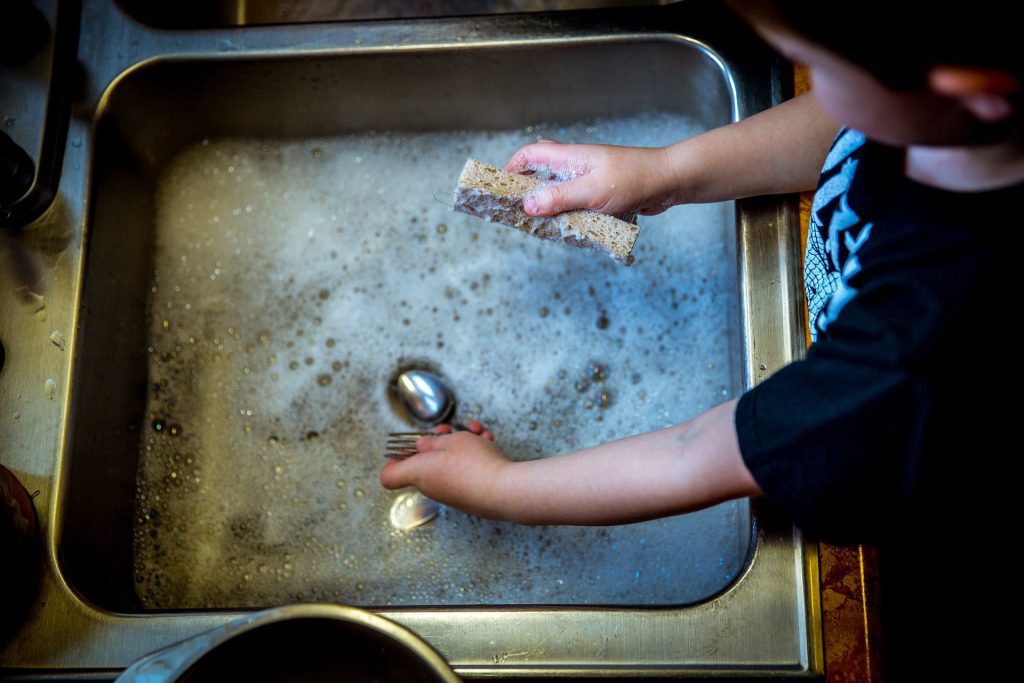
Grease buildup - Over time, your kitchen drain becomes a collection point for hardened grease going down the sink. Even if you actively avoid throwing oil and grease down the drain, some inevitably will end up there. This buildup affects the pipes under your sink as well as the pipework further along, causing problems with drainage. High pressure drain clearing will help loosen these deposits and flush them away, clearing your pipes for better flow.
Removal of solids - Depending on the hardness of your water, you may have mineral deposits in your pipework that have built up and can cause restrictions. The high pressure jets will break these up for easy removal, without damaging your pipes in the process.
Clearing tree roots - Hydro jetting is one method of clearing pesky tree roots that may be blocking your drain system. The pressure of the water is usually high enough to break up and loosen tree roots in your pipe and this method may be used in combination with other tools to clear your pipes. Keep in mind, however, this is a short term solution and tree roots can grow back and obstruct your pipes again.
Frequency
Should you wait until your house floods before calling in a company to clear your pipes? As with everything plumbing, prevention is better than a backup. How often you have this done is dependent on a number of factors. These are the same risk factors that affect your risk of a backup: how much grease ends up down the sink, whether there may be tree roots near buried piping, and water hardness with its associated risk of calcium buildup.
Is it right for everyone?
If your buried sewer pipes are made of clay they can be damaged by the force of the water jets. If your pipe is already damaged then applying this force can do further damage. Before you make the decision to have high pressure drain cleaning performed in your home, it is best to have a preliminary video inspection done. This ensures that you are not in for any surprises and your plumbing system will reap the benefits.
For high pressure drain cleaning options, give us a call or schedule service online and our plumbers will help you solve your pesky drainage issues.