





Summer is in full swing and you are loving the cool air and comfort provided by your AC. After all, these warmer months would be fairly miserable if air conditioners weren't around, but you may not be aware of some of the other added benefits that your AC system provides.

Bonus Benefits from Your AC:
Indoor Air Quality:
Your heating and cooling systems go a long way in improving the air quality of your home. Most notably, they drastically reduce the amount of pollutants and allergens floating around in the air of your home. A well maintained AC system will also help improve the quality of living of people who suffer from allergens or respiratory illnesses like asthma.
P.S. Having regular maintenance tasks performed will greatly improve your indoor air quality and extend the life of your AC system. These tasks include; yearly system checks, having your filter changed as recommended, having your air ducts clean annually, etc.
Productivity Boost:
If you are hot, uncomfortable and all around miserable you will be less productive. AC's to the rescue! Air Conditioners are designed to keep you cool and comfortable, no matter how toasty things become outside. The more comfortable you are, the more productive you will be!

Sleep Easier:
This is also a matter of being comfortable. Keeping your bedroom between 60 to 65 degrees is often ideal for a perfect night of sleep. A properly functioning AC is the easiest way for you to keep your bedroom in this comfort zone.
Call us at (618) 484-9822 to schedule a precision tune-up and safety inspection to ensure that your AC is running at optimal levels! If you have any plumbing, heating, cooling or electrical needs, simply call us at (618) 484-9822.
Thunderstorms and rocky weather are a way of life here in the Metro-East Area and we are all aware that there are some safety precautions we should follow when severe weather starts. Head indoors or take cover, do not sit near windows, roll up your car windows if driving, etc. but many people may not be aware of the risks that come from running their AC Units during thunderstorms.

The extremely hot, sticky, humid conditions that make you want to run your AC are the same conditions that thunderstorms thrive in. Unfortunately, running your AC during a storm can cause some serious and expensive damage to the unit. So, it is a good idea to shut your AC off when a storm rolls in.
Why Are Thunderstorms and AC Units A Bad Combination?
One of the most dangerous elements of any storm is the possibility of lightning, and AC's are not immune to the damage that comes with a lightning strike. The good news is that lightning striking homes are rare, but they are possible. And if lightning strikes the spot were your utility lines connect to your roof, five billion joules of electricity will surge throughout your home's electrical system and wiring. This power can surge through your home before the breakers have a chance to be triggered to trip, leaving your electrical devices and appliances vulnerable.
Your AC can be rendered completely unusable by the damage caused by a lightning strike. If your AC is running when lightning hits your home, the delicate electrical circuitry of your AC Unit can be completely fried and the plug for your unit can be melted. Your AC could require expensive repairs or need to be replaced outright.
In order to protect your AC Unit, it is best to turn it off when Thunderstorms or lightning begins rolling in.
If you have any plumbing, heating, cooling or electrical needs, simply call us at (618) 484-9822.

A smelly drain is unpleasant and getting rid of the odor can be really difficult. Whether it is your kitchen sink, bathroom vanity or even your shower, a smelly drain can really ruin your day. Over time dirt, food, bacteria, grease, hair, etc. build up in your drains and this is what causes those lovely odors. The bad news is that ignoring these smells will not make them go away, the good news is that there are easy and affordable steps you can take to clean and deodorize your drains.
Method One: Baking Soda and Vinegar
Simply pour a half cup of baking soda and 1/4 of a cup of salt down your drain. Then heat one cup of white vinegar on your stove. After the vinegar begins to steam, pour it down the drain. The mixture will bubble and foam for a bit. Wait about 15 to 20 minutes then run hot water from your faucet for about 30 seconds or so, to wash away the mixture. Your drain should be cleaner and the displeasing odors should be gone!

Method Two: The Flushing Method
This method involves boiling water, so please be careful. Start by pouring a cup of boiling water down the drain. Give it five minutes and then pour a cup of cold water down the drain. Wait another five minutes and then pour down another cup of boiling water. If there happens to be a lot of built up of debris in your drains, you might experience minor clogging during the flushing process. So make sure you have a plunger handy, just to be on the safe side.
Method Three: Lemon Slices
Cut up lemon slices (make sure you remove any seeds) then run them through your garbage disposal. This will help your drain smell fresh and like citrus!
If you've tried all of these methods and your drains still stink, the smell might be a sign of a more serious issue. Give us a call at (618) 484-9822 and let the members of our professional plumbing team get to the bottom of the odors coming from your drain.
If you have any plumbing, heating, cooling or electrical needs, simply call us at (618) 484-9822.
Home maintenance tasks may not be your favorite thing to do as a homeowner; however, home maintenance is crucial in the upkeep of your home. Plus, proper home maintenance is the best way to save yourself a ton of money on repairs and damages caused by neglected equipment. So do yourself a favor this spring and don't skip these vital maintenance tasks.

1. Clean Your Refrigerator Coils. Hey, it's spring cleaning time anyway, you might as well add the refrigerator coils to your checklist. Regularly cleaning your refrigerator coils will save you money on an expensive repair bill down the road. These coils can be found either at the bottom or in the back of your refrigerator. Over time the coils become clogged with dirt, dust, hair, cobwebs, etc. when this happens your fridge can't release heat properly, leading to the compressor having to work harder and run for longer periods of time, this waste an excessive amount of energy and can greatly shorten the lifespan of your fridge.

2. Clean Your Dryer Vent. Each year, nearly 16,000 home fires are caused by lint-clogged dryer vents. According to the Consumer Product Safety Commission, these clothes dryer fires result in 20 deaths, 370 injuries and over $75 million in property damage each year. The steady, silent accumulation of fabric particles that get beyond your lint screen will not only decrease your dryer's performance, it creates a fire hazard. Cleaning your lint trap after every load will slow this process, but cannot prevent it. As your vent gradually becomes caked with lint, your dryer's airflow decreases. This not only prevents your dryer from drying as it should, it can cause it to overheat and ignite the highly flammable lint. Cleaning your dryer vent this spring can help protect your family and your home.
3. Remove The Built Up Sediment From Your Water Heater. Drain a quart of water from your water tank every 3 months to remove sediment that impedes heat transfer and lowers the efficiency of your heater. Follow the manufacturer's directions or call us at (618) 484-9822 and we'll take care of your water heater for you!
4. Clean Those Gutters. Removing the leaves and other debris from your gutters this spring will help prevent your gutters from getting clogged. Springtime in the Midwest is known to be a rainy time of year and clogged gutters can lead to expensive roof damage, flooding and damage around the foundation of your home, damage to your downspout or the gutters themselves. It is a lot easier to keep your gutters clean than having to deal with a headache and expense that comes with allowing your gutters to become clogged.
5. Have Your Sump Pump Operation Tested. Spring is the time for rain in our area and that means your sump pump will be working overtime. That's why you want to make sure having your sump pump tested is at the top of your home maintenance checklist this Spring. If your sump pump fails, you can expect serious basement flooding and the expense that accompanies repairing all of the water damage. Call us at (618) 484-9822 to have a professional plumber come out and ensure your sump pump is working at optimal levels.

If you have any plumbing, heating, cooling or electrical needs, simply call us at (618) 484-9822.
Brr...it's cold outside and many of us keep a backup portable generator (or two) around in case of power outages. A generator can be a lifesaver on freezing winter days when power fails us. However, generators can be extremely dangerous as well and it is important to take the necessary precautions to keep your home and your family safe.

Portable Generator Safety 101
The main hazards to avoid when using a generator are carbon monoxide poisoning, electric shock or electrocution and fire. There are some easy steps you can take to protect yourself against these hazards.
To Avoid Carbon Monoxide Hazards:
- Always use generators outdoors, away from doors, windows and vents.
- NEVER use generators in homes, garages, basements, crawl spaces or other enclosed or partially enclosed areas, even with ventilation.
- Follow manufacturer's instructions.
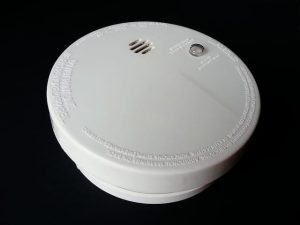
- Install battery-operated or plug-in (with battery backup) carbon monoxide (CO) alarms in your home, following manufacturer's instructions.
- Test CO alarms often and replace batteries when needed.
To Avoid Electrical Hazards:
- Keep the generator dry. Operate on a dry surface under an open, canopy- like structure.
- Dry your hands before touching the generator.
- Plug appliances directly into generator or use a heavy-duty outdoor- rated extension cord.
- Make sure a tire extension cord is free of cuts or tears and the plug has all 3 prongs, especially a grounding pin.
- NEVER plug the generator into a wall outlet. This practice, known as back feeding, can cause an electrocution risk to utility workers and others served by the same utility transformer.
- If it is necessary to connect a generator to house wiring to power appliances, have a qualified electrician install appropriate equipment. Or, your utility company may be able to install an appropriate transfer switch.
To Avoid Fire Hazards:
- Before refueling the generator, turn it off and let it cool. Fuel spilled on hot engine parts could ignite.
- Always store fuel outside of living areas in properly labeled, non-glass containers.
- Store fuel away from any fuel-burning appliance.
Stay safe this winter!
Source: U.S. Consumer Product Safety Commission
If you have any plumbing, heating, cooling or electrical needs, simply call us at (618) 484-9822.
November is Child Safety and Protection Month and your home can be very dangerous for your kiddos. You want to keep your kids and family safe and you think you've child proofed your home well enough, but maybe there are a few safety issues you're overlooking.
Check out these simple home safety tips, design to protect your children.

Most water heaters allow you to set the temperature but have a manufacture default water heating setting. It is best to set the temperature yourself and ensure that it's not hotter than 115-120 degrees F. By lowering the water temperature settings, you'll reduce the risk of scalding water burns. If you're not sure how to set your water heater temperature settings our professional plumbers will be happy to help! And be sure to ask about an Anti-Scald Device for added safety!
2. Invest in a good welcome mat
You don't know what toxins, debris, pesticides and other harmful elements maybe on your or your guests shoes. Having a good welcome mat that you and your guests can use to wipe a way dirt and debris is extremely helpful.
3. Ground-Fault Circuit Interrupter (GFCI) and electrical safety
To help prevent shocks, electrical burns and possible electrocution, GFCIs should always be used in all kitchens, bathrooms and anywhere water might come in contact with an electrical outlet. GFCIs are designed to shut off when they come into contact with water. So if you drop something in a sink full of water, the appliance should power off before it can cause a shock. (But you still should keep electrical appliances a way from water, just to be safe).
Most homes should already have GFCIs installed, but if your home is older or if additional outlets have been installed, you'll want to ensure that they are GFCIs. If you aren't sure if your outlets are GFCIs one of our Electricians will happily check for you!
4. Choose nontoxic décor
House plants are often used to liven up a home. Just make sure that you do your research before selecting a new house plant. Some children cannot resist munching on colorful plants, so make sure the plants in your home are nontoxic!
5. Natural Gas Safety 101
General Safety Rules When Dealing With Natural Gas
- Follow directions from the manufacturer for using and taking care of gas appliances. Seek professional help when necessary.
- Keep combustibles such as papers, fluids, paints, curtains and rags away appliances.
- Keep gas ranges clean, make sure burner bowls are free of matches, grease, paper, etc.
- Have a fire extinguisher near gas appliances at all times. Use a CO2 or dry-chemical extinguisher for the kitchen.
- Teach children never to light or play with the controls of any gas appliances.
- Keep the pilot lights of your gas range lit. If you put them out to save energy, a dangerous gas build-up can occur if someone accidentally turns on the range.
- Never use your gas range to heat your home or apartment. This practice creates a serious fire hazard and puts you and your family at risk from dangerous carbon monoxide fumes.
If You Smell Natural Gas
- Open windows or doors and leave your home immediately!
- Do not look for the source of the smell with any open flame (even using a flashlight could be dangerous).
- If the smell is very strong, or you hear a blowing or hissing noise, leave immediately.
- Do not use anything that could generate a spark
- Do not use the telephone
- Do not turn light switches or equipment using electricity on or off.
- Do not turn vehicle ignitions on or off.
- Go to a neighboring phone and call the fire department or 911.

6. Be careful where you place your furniture
Blocking vents and/or heaters with furniture of any kind is a potential fire hazard. Make sure that you anchor all bookcases and larger furniture pieces to the wall, to prevent them from falling on top of children. Securely mount large televisions to the wall or place them on top of low to the ground, secure furniture pieces.
Call 1-888-9TIGER4 or contact us to have a Licensed Plumber, HVAC Technician and/or Electrician come out to your home and address any safety issues or concerns you may have.
Be sure to check out Tiger Plumbing, Heating, Air Conditioning and Electrical Services on Facebook, Twitter, Pinterest, and Instagram for more valuable safety tips for your home!
Any home owner knows that electrical work and maintenance is a necessity. It can also be fairly pricey! The good news is that there are ways you can help keep the costs of electrical work down.

Combine Jobs into one Call
You can save time and money on electrical work by bundling projects together. Keep a running list of electrical problems or needs in your home. Then when you call a electrician you do a walk-through of your home and get of your issues taken care of at once. You'll find having the electrician attend to several smaller needs in one visit much more cost effective.

Consider Investing in Upgrades that Payback both Now and Later
A good way to combat rising electricity costs is to switch from incandescent fixtures or bulbs to fluorescent ones providing as much or better lighting using less electricity. Another consideration is putting motion detector switches on outdoor lighting. You'll save money while enhancing your home's security. Attractive landscape lighting is another investment which
you can enjoy now and benefit from when you sell your home.
Ask About Flat Rate Pricing
In selecting a contractor, it's not a good idea to pick one based on hourly rate alone. Ask questions. Contractors with low hourly rates may add on separate fees or take longer to get the job done to offset the lower rate. Ideally, it's best to protect yourself by requesting a firm quote for work you want done up front.
Go With an Electrician You Can Trust!
Choosing a Tiger Electrician is the best way to ensure that all of your electrical work is perform correctly the first time, which will save you a lot of money on future repairs. Call 1.888.9TIGER4 or visit our website to schedule an appointment with a professional electrician today!
Be sure to check out Tiger Plumbing, Heating, Air Conditioning and Electrical Services on Facebook, Twitter, Pinterest, and Instagram for more valuable information!
A little expert guidance can go a long way when you're dealing with a leaky faucet or upgrading your plumbing system. Homeowners in Peoria, Bloomington, Springfield, and Collinsville know the value of smart plumbing practices, especially in homes that experience seasonal temperature shifts, older pipe systems, or hard water.
Tiger Plumbing has compiled 101 practical tips, drawn from our team’s experience, to help you protect your home, conserve water, and avoid costly repairs. Let’s dive in.

General Plumbing
- Save our number before you need it. Emergencies don’t wait. Store (618) 266-2817 now so you can act fast.
- Schedule seasonal plumbing inspections. Routine plumbing inspections catch small problems before they turn major.
- Locate your home’s main water shut-off valve. In an emergency, this valve could save you thousands in damage.
- Check exposed pipes for rust or corrosion. Catching signs early can prevent major leaks later.
- Don’t ignore water pressure changes. Sudden shifts might indicate a leak, clog, or faulty pressure regulator.
- Wrap pipes during winter. Use foam sleeves to insulate pipes in unheated areas like garages and basements.
- Listen for noisy pipes. Banging or rattling can mean loose fittings or high pressure.
- Avoid overtightening connections. Too much torque can crack fittings or strip threads.
- Test water hardness yearly. Hard water affects pipes and appliances. USGS.gov offers state-specific data.
- Install water hammer arrestors if needed. They prevent pipes from shaking when appliances shut off quickly.
- Know the age of your home’s plumbing. Older pipes may be more prone to failure.
- Drain outdoor hose lines before freezing weather. Standing water can cause burst pipes.
- Use thread sealant for metal joints. It can outperform Teflon tape in some applications.
- Protect wall pipes during renovations. Know where plumbing runs before drilling or cutting.
- Label plumbing shut offs for quick access. Especially under sinks and behind toilets.
Clogs & Leaks
- Avoid over-the-counter chemical drain cleaners. These products can damage pipes and worsen clogs.
- Try natural solutions first. Baking soda and vinegar can clear minor buildup safely.
- Use a drain snake for stubborn clogs. It’s safer for pipes than chemicals.
- Clean sink stoppers regularly. Hair and debris collect quickly in bathroom sinks.
- Watch for musty smells. A persistent odor could mean a hidden leak.
- Monitor your water bill for spikes. An unexplained increase may indicate a leak.
- Inspect ceilings for stains. Water damage often appears as brownish rings.
- Seal pipe joints with plumber’s tape or sealant. This helps prevent slow drips over time.
- Call for professional leak repair if leaks persist. Delayed action can lead to mold and structural damage.
- Never ignore a slow drain. It’s often a warning sign of a developing blockage.
- Flush your drains monthly. Use boiling water to help clear light buildup.
- Know the signs of a sewer backup. Gurgling drains, multiple slow fixtures, or foul odors may signal an issue.
- Schedule drain cleaning before major clogs occur. Preventative service helps keep things flowing.
- Inspect crawl spaces for wet spots. They can go unnoticed and cause serious damage.
- Don’t flush anything besides toilet paper. Even wipes labeled “flushable” can cause sewer backups.

Kitchen & Bath
- Use sink strainers. They prevent food and hair from entering the drain.
- Avoid pouring grease down the drain. It solidifies and causes blockages.
- Run cold water while using your disposal. Cold water helps fats stay solid and move along the pipe.
- Clean your garbage disposal with ice and lemon peels. It freshens and sharpens the blades.
- Don’t overload your disposal. Feed small amounts at a time to avoid jams.
- Know what shouldn’t go in the disposal. Avoid potato peels, pasta, coffee grounds, and fibrous veggies.
- Replace old aerators on faucets. They improve water flow and reduce splashing.
- Install water-saving bathroom plumbing fixtures. Toilets and showerheads now use far less water than older models.
- Replace leaking faucet washers. A worn washer is a common cause of drips.
- Upgrade to a dual-flush toilet. These models conserve water with every flush.
- Use a plunger designed for the job. Sink plungers differ from toilet plungers in shape and function.
- Wipe excess hair from drains after showering. It helps reduce the chance of blockages.
- Check for moisture under sinks regularly. Catch leaks early before cabinet damage sets in.
- Consider garbage disposal replacement if yours jams frequently. Persistent issues may indicate a worn-out unit.
- Schedule a one-day bathroom remodel to refresh outdated plumbing. You’ll get modern efficiency and peace of mind.

Sump Pumps
- Test your sump pump every few months. Pour a bucket of water into the pit to see if it activates.
- Clean your sump pump inlet screen. Dirt and debris buildup can cause failure during heavy rain.
- Install a battery backup for your sump pump. If the power goes out during a storm, your pump still works.
- Check for sump pump vibrations. Excessive movement could indicate a clog or mechanical issue.
- Listen for short cycling. A sump pump that turns on and off rapidly may have a float or switch problem.
- Make sure the discharge pipe is clear. Ice or debris blocking it can prevent proper drainage.
- Consider an annual sump pump inspection. A professional can confirm it's storm ready.
- Add a water alarm in the sump pit. You'll get alerted if the pump fails and water rises.
- Keep the sump pit covered. This prevents debris or pests from falling in.
- Replace aging pumps proactively. Most units last about 7 to 10 years. Don’t wait until it fails.
Water Heaters
- Lower your water heater temperature to 120°F. It’s hot enough for comfort but helps prevent scalding and saves energy.
- Flush your tank-style water heater once a year. This clears sediment that can reduce efficiency and lifespan.
- Install a water heater timer. It helps reduce energy usage during low-demand periods.
- Insulate the first few feet of hot water piping. This keeps water warmer as it travels to your tap.
- Know the age of your unit. Most traditional tank heaters last 8 to 12 years.
- Don’t ignore rumbling or popping sounds. This can mean sediment buildup is affecting performance.
- Install a drain pan under your unit. It helps contain small leaks and directs water to a floor drain.
- Schedule professional water heater maintenance. A tune-up can extend the life of your equipment.
- Upgrade to a tankless water heater if space or energy use is a concern. These models only heat water as needed.
- Plan ahead for water heater replacement. Don’t wait until it fails. Replace it before a leak ruins your floor.
Water Conservation
- Turn off the tap when brushing your teeth. This can save up to 8 gallons of water a day.
- Fix drips promptly. A single drip can waste over 3,000 gallons a year, according to EPA.gov.
- Install low-flow showerheads. Newer designs save water without compromising pressure.
- Use your dishwasher instead of handwashing. It can use less water, especially with an ENERGY STAR model.
- Run full loads in washers and dishwashers. Maximize water efficiency with each cycle.
- Use mulch around plants and trees. This retains soil moisture and reduces watering needs.
- Replace old toilets with high-efficiency models. Modern units use as little as 1.28 gallons per flush.
- Check for outdoor leaks at hose bibs. A dripping spigot can waste gallons a day.
- Use a broom instead of a hose to clean driveways. You’ll save water and avoid runoff.
- Install faucet aerators. These reduce flow while maintaining pressure and usability.
Outdoor Plumbing
- Disconnect garden hoses before the first freeze. The water left inside can freeze and rupture your hose or spigot.
- Install frost-free outdoor faucets. These reduce the risk of frozen pipe damage in winter.
- Check your sprinkler system for leaks. Especially in spring, inspect lines and heads for winter damage.
- Use hose bib covers in winter. These insulated covers help protect exterior faucets from freezing.
- Turn off irrigation timers in cold months. Avoid watering when plants are dormant and the ground may freeze.
- Grade your yard to slope away from your home. Helps reduce water pooling near the foundation and sump pump strain.
- Install a rain barrel. Collect rainwater for lawn and garden use to cut back on water bills.
- Don’t bury hoses or irrigation lines near sewer lines. Root systems can shift and interfere with buried plumbing.
- Have your outdoor plumbing inspected. Especially if you notice soggy spots or unexplained water loss.
- Add backflow prevention on outdoor spigots. Protects your drinking water from contamination.
Plumbing Upgrades & Maintenance
- Upgrade old fixtures for water and energy savings. Today’s models are built for conservation and durability.
- Choose PEX piping for repiping projects. It’s flexible, durable, and often more affordable than copper.
- Invest in a smart water leak detector. Devices alert you via phone when a leak is detected.
- Install a whole-home shutoff valve. It shuts off water automatically during a major leak.
- Replace galvanized pipes in older homes. These are prone to corrosion and leaks over time.
- Upgrade your bathroom with new faucets and fixtures. Add function and style while improving water performance.
- Add a recirculation pump to reduce hot water wait time. Useful for large homes or long pipe runs.
- Choose lead-free fixtures. Always look for NSF/ANSI 61-certified products to ensure safety.
- Install a pressure-reducing valve if needed. High pressure can damage pipes and appliances.
- Use stainless steel braided supply lines. They’re more durable and resistant to bursting than rubber hoses.
Seasonal & Long-Term Tips
- Run water in rarely used fixtures weekly. Keeps water flowing and traps filled to block sewer gas.
- Pour antifreeze in basement floor drains before winter. Prevents standing water in traps from freezing.
- Schedule plumbing maintenance before holidays. Avoid emergencies when guests are over.
- Keep your plumbing records organized. Document repairs, upgrades, and inspection notes for future reference.
- Walk your basement or crawlspace seasonally. Look for signs of leaks, dampness, or insulation issues.
- Call Tiger Plumbing for trusted installations and replacements. We help homeowners across Peoria, Springfield, Bloomington, and Collinsville protect their homes year-round.

If you need to tighten a faucet, test a sump pump, or upgrade fixtures to be more efficient, these plumbing tips are designed to help you make smart choices. A proactive approach protects your home, prevents emergencies, and gives you peace of mind.
Tiger Plumbing is proud to support homeowners throughout Peoria, Bloomington, Springfield, and Collinsville with expert advice and reliable plumbing solutions. Have questions or need help? Schedule service online or contact us today to speak with one of our professionals.
Be sure to check us out on Facebook, Twitter, Pinterest, and Instagram
Carbon monoxide(CO) kills an estimated 660 Americans each year. What makes carbon monoxide so dangerous is its lack of warning signs. Smoke typically precedes fire; gas leaks often produce strong odors. Carbon monoxide, on the other hand, is an odorless and colorless gas; you may not know you're breathing until it's too late.
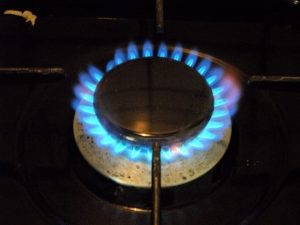
CO is created by the incomplete burning of gasoline, wood, charcoal, natural gas, propane, oil or methane. Vehicles running inside an attached garage, furnaces, gas ovens, poorly vented stoves or fireplaces, are some of the most common sources of carbon monoxide poisoning.
The effects and dangers of carbon monoxide vary depending on several factors:
- Infants, small children, pregnant women and those in poor health, are more at risk for carbon monoxide poisoning.
- CO poisoning can be a long, slow process if a person's exposure is limited or the carbon monoxide leak is small.
- However, carbon monoxide poisoning can happen much faster, if the leak is larger. Carbon monoxide can kill within minutes if a person is exposed to enough CO.
The symptoms of CO poisoning are often mistaken for other common illnesses. People often believe they are suffering from food poisoning, the flu, viral infections or exhaustion. So, many people never even consider there might be a carbon monoxide leak.
Keep an eye out for these warning signs:
- Dizziness
- Headaches
- Nausea
- Breathlessness
- Collapsing
- Loss of consciousness
How to tell if these symptoms are from a common illness or warning signs of CO poisoning:
- The symptoms you're experiencing, only occur when you are at home
- Your symptoms seemed to improve when you leave your home.
- The other members of your family are experiencing similar symptoms.
- Your pets also seem to be suffering from CO poisoning symptoms.

Strategies to Prevent Carbon Monoxide Exposure:
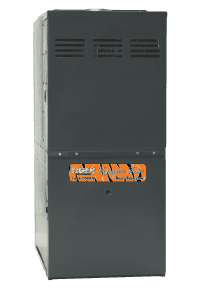
- Have your heating system, water heater and any other gas-, oil- or coal-burning appliances serviced by a qualified technician every year.
- Install a battery-operated CO detector and check or replace the battery when you change the time on your clocks each spring and fall.
- Do not use a generator, charcoal grill, camp stove or other gasoline- or charcoal-burning device inside your home, basement, garage or near a window.
- Do not run a vehicle inside a garage attached to your home, even if you leave the garage door open.
- Do not burn anything on a stove or in a fireplace that is not vented.
- Do not heat your house with a gas oven.
- Interconnected CO alarms offer the best protection; when one sounds, they all do. One of our Certified Electricians can install hard-wired interconnected CO alarms throughout your home.
- Or you can install wireless alarms, plug-in alarms or battery operated alarms.
Be sure to check us out on Facebook, Twitter, Pinterest, and Instagram