





Humidity is the amount of moisture in the air.
But getting it right is about more than comfort. From static build-up to potential mold growth, humidity levels affect air quality, your expensive home theater system, your health, and even opening and closing doors. Continue below to see how humidity can affect you and what you can do about it.
Impact of a Humid Home
Besides discomfort (think of a humid Summer day when your sweat just won't dry!), high humidity levels can also cause ongoing illnesses like asthma and allergies.
It's not your home being humid itself that makes you sick, but the creatures that thrive. Enemies like mold and mildew could invade hidden crevices inside walls to attack you and your family. And allergy-causing dust mites also love the excess moisture.
Excess moisture causes wood to “swell”, making it difficult to close doors. So if you have a door that “sticks” during the summer, it’s likely due to poor humidity control.
Impacts of Low Humidity
Having low humidity causes its fair share of problems. The most obvious issue is dry skin (itchy, painful, reptile skin). This is a safety hazard that needs immediate attention from a professional.
Inhaling air that's too dry causes your nasal passages to dry out, increasing your susceptibility to colds, the flu, and other infections. And a dry nasal passage can crack and bleed, giving germs an open door into your body.
Your eyes can dry out too, leaving them irritated and also susceptible to infections.
Your equipment isn't safe either. Static build-up can degrade electronic circuits over time. Too much static could cause a fire.
Clean Your Furnace
Clean the burners, pilot light, flame sensor, and hot surface igniters. Only carry out this process if you’re comfortable opening up your furnace. But before you begin, make sure to turn off the electrical supply and shut off the gas supply to the furnace. This is a critical safety measure that, if not done, can cost you your life! Use a vacuum hose to clean out any dust settled in the combustion compartment. But be careful not to damage any of the components while carrying out this task!
What Is Ideal Humidity?
To get the right balance, you need a humidity of 35-45%.
But this can get a bit tricky in some warmer climates. So, maintaining 60% or less is more reasonable for hot, humid regions.
Getting the Right Humidity in Your Home
In the summer, it's typically pretty humid. And in the winter, the opposite is true. Without air conditioning, your house can get humid in the summer. However, with oversized air conditioning, your house can get very dry.
In the winter, you'll have low humidity levels without a humidifier. Yet, too much humidity with a vaporizer or humidifier running for too long can happen as well.
Trust Tiger for all of your Indoor Air Quality needs.
You Need the Right System. Our experts can assess your situation and provide the best solution. So let us ensure you're protected from all these ugly humidity problems! Give us a call at (618) 484-9822 or go to our Schedule A Service page
Dealing with cold, yucky weather for months on end is hard enough. But paying more for heat just makes it worse. Here are some tips for saving cash on your heating. As a result, you can go therapy shopping to get you through the winter misery.
Get a thermostat that allows setback
Lowering your thermostat will undoubtedly lower your gas consumption. Setback allows you to vary the temperature setting according to your daily schedule. So for the days at work, it will leave your home cooler. But in the evening, your house will be nice and warm waiting for you to get back.
You have two main options for this: a programmable thermostat that lets you input the temperature settings you’d like throughout the week, and a smart thermostat that learns your schedule and connects to your phone so you can remotely increase the temperature before entering the door. Discuss with a professional at Tiger so you can choose the right one for you.
Tighten up leaks in your home’s construction
Having better control over your temperature settings won’t help much if cold air is leaking in or warm air is leaking out. So make sure your windows and doors are well sealed to keep the indoor air in so you use less heat to make up for losses.
In addition to sealing leaks, you can replace windows with high performance ones that have higher insulation values. You can choose from multiple panes of glass (double or triple glazed) or windows with special coatings as well as vacuum sealed air spaces for even better insulation.
Upgrade to a high efficiency furnace or boiler
Reduce energy consumption at the source by upgrading your furnace or boiler to one that has a high efficiency and watch your bill drop. Annual efficiencies on residential heating equipment can be as high as 98%, an improvement of 18% over older equipment in the 80% range.
Insulate ducts and pipes in unheated spaces
If you have a high efficiency furnace but lose heat through ducts in the attic, you’ll still end up consuming more gas and paying more. This is a simple fix that can save you up to 35% of unnecessary heat loss. But even if you already have insulation, you might want to consider re-insulating older ducts. Before you do, however, make sure to seal any leaks as these are responsible for even more losses.
If you’re tired of spending more than your fair share on your heating bill, we can assess the best ways to save you energy and help you bring those costs down. Give us a call at (618) 484-9822 or go to our Schedule A Service page!
Summer is a time for fun in the sun. Nothing brings the fun to a screeching halt like a sewage backup. Here is what you need to know about sewage backups during the summertime.
What Can Cause a Summer Sewage Backup?
There are a couple reasons why a sewage backup might occur during the warmer months. Summer storms are a common culprit, for example. When it rains too much or too fast for the sewage system to handle, water can build up and get into the system. If the water continues to build up, it can fill it until sewage enters your home.
Another issue that can cause a backup is a system blockage. This can happen when the wrong things are tossed down the drain in your home.
What Are the Effects of a Backup?
Of course, there is the mess that comes with a sewage backup. This factor alone is extremely unpleasant, but there are other more serious concerns to consider as well. Sewage is unsanitary and can pose health concerns for one. Additionally, having a large amount of water entering your home can lead to damage to your foundation or rotting of your interior walls. Not to mention the fire and other hazards caused if this water reaches any electrical components.
So How Can You Avoid a Summer Sewage Backup?
Obviously, when it comes to weather, you can't control when or how strong of a summer storm will hit. The good news is that you can take these steps, to help lessen your risk of a sewage backup.
1. First and foremost, never put anything down a drain that can clog or damage the pipes. This includes greasy or stringy foods, chicken bones, coffee grounds, etc.
2. Do your best to keep your yard clear of debris that may block drains and cause backups in the main city system during a strong storm.
3. Stay up to date on your home's sanitary system and plumbing maintenance. This can help prevent backups and provide you with early detection of damage to your system.
Have a Safe and Fun Summer!
If you have any plumbing, heating, cooling or electrical needs, simply call us at (618) 484-9822
These past few weeks have brought a lot of rain and storms to the area. In addition to all of these storms, the temperatures have also been climbing. You have likely been running your air conditioning system to keep your home comfortable. Unfortunately, thunderstorms can pose a serious risk to your AC. Follow these handy tips when a strong storm hits and help protect your
Air Conditioner from the elements.
Turn Off Your AC During Thunderstorms
Whenever possible turn off your air conditioner before a storm hits. Strong storms typically mean lightning. Electrical surges are common when lightning hits and you don’t want your AC's electrical components destroyed, or risk a fire! If the weather is particularly hot, you can usually run your AC until the sky darkens. Keep in mind, however; that lightning might be flashing before the rain comes so don’t wait that long, to turn off your unit.
Cover Your AC Before A Storm
Covering your air conditioning unit can be a great option to help protect it during a strong storm. Fast winds, hail, and flying debris can cause some serious damage to the exposed components of your unit. You can use a tarp or even a board to cover your AC, to help protect it when severe weather hits.
*Make sure your cover is secure so it doesn’t turn into debris itself to cause damage elsewhere, and after the storm passes, remove the covering before starting up your unit again.
Clean Up Your Yard
Speaking of flying debris, cleaning up your yard is a great way to help reduce the amount of debris that can be tossed around. Well before a storm hits, pack away outdoor furniture, toys, your barbecue pit and anything else that’s not tied down. Clean up branches that might have fallen and remove anything else that could puncture your AC equipment. Collaborate with neighbors to clean up their yards as well. Storms have no respect for property lines!
*If the storm is already rolling in or you see lightning, it is best to skip this step. Your own safety is more important.
Inspect and Clean Your AC Before Start-up
Once the storm has passed and it is safe to go outside, it is a good idea to do a thorough inspection of your AC unit and refrigerant piping to check for damage. Be sure to clear any debris that might be covering your air conditioning unit. As long as you’re certain that the unit is free from damage and debris, turn it on and monitor it to make sure it’s working as it should.
Get Professional Help
If despite your best efforts, your unit or piping has been damaged, call us right away at (618) 484-9822. We can also help you prepare for the storms ahead and reduce your equipment's risk of being damaged.
If you have any plumbing, heating, cooling, or electrical needs, simply call us at (618) 484-9822
Spring is here! Goodbye, yucky winter weather and short days. Say hello to budding leaves, blooming flowers and rain, lots and lots of rain. While spring brings the excitement of warming weather, it also brings hazards like heavy April rain showers, basement flooding and damaged pipes.
Here are some ways your pipes can be affected by April rain showers:
1. Moving water can erode soil where a pipe is buried; exposing it.
Heavy rain can create rushing water that becomes a powerful force. This force can erode the soil around buried pipes, exposing them to damage. This is particularly concerning for the plumbing lines coming to your house from the city’s system.
Make sure you know where your pipes are buried and take extra care during and after flooding to avoid those areas. Once the rainwater has subsided, do a thorough check to make sure they are still buried. If the soil has been eroded, inspect the pipes for damage or have one of our plumbing experts come out and inspect them for you.
2. Pipes can burst.
Flooding brings debris as well as lots of water. This debris can easily gather in a storm/drain pipes causing them to back up. If the pressure is high enough from the water draining, this can lead to bursting. You can minimize the risk of bursting by keeping your yard clean so there is less debris to back up your drainage system.
3. Pipes can corrode faster.
Depending on the material of your piping, exposure to flood waters and any changes in water chemistry can cause it to rust faster. This most often happens over a number of seasons of flooding and heavy rains. Inspect any visible piping for signs of rust, particularly if you have old cast iron piping in your home. Copper also corrodes and gets pinhole leaks so you still have to inspect those pipes as well.
4. Dirt and debris in the water supply can erode pipes internally.
Erosion is another way pipes can be damaged. Floodwaters carry sediment that destroys the
internal wall of drainpipes. While you cannot inspect the inside of pipes, you can call in one of our plumbing experts if you are concerned that you might be at risk for damaged piping from dirt and sediment erosion.
5. Prevention and cure.
Let us inspect your home’s plumbing to make sure it can withstand this April's showers. When the floodwaters subside, we can help you find and repair any damage you may have incurred. Give us a call and we will keep your piping in shape for many more years of spring weather!
If you have any plumbing, heating, cooling or electrical needs, simply call us at (618) 484-9822.
The indoor air quality in your home has a major effect on the health of your family. Indoor air pollutants that come from sources that distribute debris, particles or gases into your home are one of the main causes of poor indoor air quality. Additionally, insufficient or inadequate ventilation can also increase the levels of pollutants in your home. A buildup of pet dander, dust, germs, etc. can also lower indoor air quality.
Tips for Better Indoor Air Quality:
1. Steam Clean Your Carpets Regularly.
Carpets and rugs collect dust, pet hair, dirt and other tiny particles. These contaminants can get kicked upped in the air when people and pets move throughout your home. Vacuuming alone is often not enough to remove all these pollutants; and actually, vacuuming can stir these particles up and release them back into the air you breathe. Steam cleaning your carpets is a more effective cleaning method.
2. Groom Your Fur Babies
We love our pets, but the hair and dander they leave around our homes is another story. Bathing, brushing and grooming will help cut down on the amount of pet hair in your home. Regular vacuuming will also help you manage pet hair and dander.
3. Use Your Exhaust Fan
Steamy showers and long relaxing baths increase the moisture levels in your bathroom. Moisture can be a breeding ground for bacteria and other pollutants that will eventually find their way into your air. Flipping on your exhaust fan when bathing is a great way to reduce the moisture in your bathroom. Remember that exhaust fans need to vent outdoors, if the exhaust fan in your home vents into your attic or another enclosed area, it is important to have your vents rerouted.
4. Replace Your Furnace Filters Regularly
There is a lot counting on your furnace filter, making it extremely important that you clean and/or replace your filters as needed or recommended. Keeping a clean filter helps to keep pollutants down in your home.
5. Wash Away Dust Mites
Dust mites accumulate in bedding, drapes, fabric shower curtains, etc., making it important to regularly launder these items.
6. Have Your Ductwork Professionally Cleaned
Ductwork can be a haven for dust, allergens, bugs, dust mites, dirt, rodents, etc., these pollutants will launch into the air your family breathes when you turn on your heating or cooling systems. Clean up the air in your home by having one of our Technical Experts professionally clean and sanitize your ductwork. Call (618) 484-9822 to schedule a free air duct cleaning assessment.
If you have any plumbing, heating, cooling or electrical needs, simply call us at (618) 484-9822.
As the temperatures drop below freezing it is important to protect your plumbing from the frigid winter weather that comes with living in the Midwest. Freezing pipes are one of the biggest concerns when it comes to your plumbing during the winter months. Frozen pipes can be an expensive headache and it is best to take steps to avoid them.
How to Keep Your Pipes from Freezing:
Steps to Take Before the Cold Hits:
1. If you have pipes that run through attics, crawl spaces or other under heated locations, it is important to ensure that these pipes are well insulated. It is also important to have these pipes inspected regularly, to ensure that the insulation is holding up.
2. Make sure that you have drained all water from hoses, outdoor water supply lines, sprinklers and other outdoor plumbing fixtures.
3. Consider having some of your pipes rerouted. If you do have pipes that are constantly exposed to the frigid winter air, it may be a good idea to have one of our professional plumbers reroute them. By having these pipes rerouted to the interior of your home, you will gain peace of mind each winter that your pipes are safe from freezing. You will also save money in the long run by avoiding expensive water damage and repairs.
Steps To Take After The Cold Hits:
1. Open cabinet doors to allow heat to reach your pipes. A frozen pipe in your kitchen or bathroom can be a nightmare to deal with and expensive to fix. When the temperatures dip, open the cabinet doors underneath your kitchen and bathroom sinks so the heat can flow freely.
2. Let your faucets drip. Pipes are less likely to freeze if the water is running. So, when dealing with extremely cold temperatures, turn on both the cold and hot water taps and allow the water to slowly drip out of the faucet.
3. When you are planning on leaving your home for more than a few days, it may be wise to temporarily shut off your water supply and drain all of the water from your pipes. If you are unsure how to complete either of these tasks, simply call (618) 484-9822 and a member of our plumbing team will be happy to assist you.
Remember: That if your pipes do freeze or you have another plumbing emergency that we are here for you 24/7. Call us anytime and a real person will answer the phone to assist you with your emergency.
If you have any plumbing, heating, cooling or electrical needs, simply call us at (618) 484-9822.
Being a homeowner comes with a lot of responsibilities and tough choices. Unfortunately, some of the decisions you may be making in your home can actually be costing you quite a bit of money. No worries, we are here to help you identify some of the most expensive mistakes made by homeowners and how to correct them.

The Most Expensive Mistakes You Are Making As A Homeowner:
1. Ignoring That Dripping Faucet.
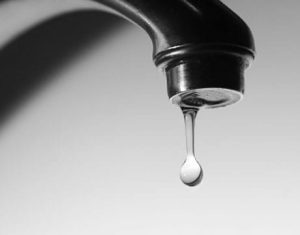
How much damage could a small drip or leak really do? A lot more than you might think! You can waste up to 265 gallons of water per day, depending on how fast the faucet is dripping. This much water waste can really add up on your monthly water bill. Have dripping faucets and other leaks fixed right away to prevent your hard earned money from going down the drain!
2. Allowing Leaky Doors and Windows.
Doorways and windows require regular maintenance to help ensure that you are not wasting extra money on heating and cooling. To save money on your heating bill, it is important to make sure that your doorways and windows are properly sealed and caulked around the edges.
3. You Are Still Using Incandescent Light Bulbs.
Traditional incandescent bulbs require a greater amount of energy than more efficient models. You can see real savings on your power bill each month by switching to LED and energy efficient CFL bulbs.
4. Treating Your Air Filter like an After Thought.

Using the wrong size air filter or forgetting to change it regularly will force your heating and air conditioning system to work much harder, increasing the amount of money you are spending on your power bill. Additionally, failing to properly maintain your air filter will damage your heating and air conditioning system over time, causing costly repairs and shorten the system's lifespan.
5. Failing to Properly Adjust Your Thermostat.
A benefit of being a homeowner is that you get to control the temperature of your home to fit
your specific comfort desires. However, there is no need for you to be wasting money on keeping your home at the perfect comfortable temperature when you are not there to enjoy it. You can see real savings by simply adjusting your thermostat 10 degrees before leaving for work.
Not to worry if you are not a fan of the idea of coming home to an uncomfortable house or you do not want to have to worry about adjusting your thermostat each morning. Wifi and programmable thermostats are great options if you want the power to control your temperature settings when you are not at home. Contact us today to learn more about the benefits of upgrading your thermostat.
6. Your Water Heater Settings Are Higher Than They Should Be.
Traditional water heaters, versus tankless water heaters, store and heat water around the clock. Which means your water heater is almost constantly using energy to keep a large tank of water heated and ready for use. So, if your temperature is set higher than it needs to be, you are wasting money needlessly. We recommend a water heater setting between 110-115 degrees to save you money on your power bill. You may also want to consider upgrading to a tankless water heater to save even more money
If you have any plumbing, heating, cooling or electrical needs, simply call us at (618) 484-9822
Bathroom renovations are a great way to upgrade your home and increase its value. To help you get a better understanding of where to start with your bathroom renovations here is a list of some of the best upgrades that will add some real value to your home.
Bathroom Renovations to Increase Your Home's Value:
1. Upgrade Your Lighting:
Lighting is an important feature in any bathroom. No one wants to bathe, groom or get ready in a dark or poorly lit bathroom. Updating light fixtures can be a relatively affordable first step in your renovation process. Additionally, there are so many design options when it comes to bathroom lighting fixtures and you could really change the whole look and feel of your space.

2. Make it a Double:
If you have the space in your bathroom, consider upgrading your old single vanity to a double. Just think no more morning battles over a single sink, small mirror and a limited counter top. You will love the extra space and if you ever decide to sell your home, potential buyers will love the double vanity.
3. Upgrade to a More Efficient Commode:
A water saving toilet will not only save you money on your water bill, but it will also help increase your home's value.
4. Change Up Your Fixtures:
Drawer and cabinet handles, electrical fixtures, door knobs and towel racks may seem like an afterthought, but these small details go a long way in the overall appeal of your space. You will be amazed at how different your bathroom looks, simply by upgrading your fixtures.
5. Ventilate:
If your bathroom is lacking an exhaust fan, or yours is severely out of date, it is time to have a new one installed. Exhaust fans do more than simply prevent your mirror from becoming all foggy while you are showering. These fans also perform other valuable functions, like helping to prevent mold growth in your bathroom.

Looking for Help?
Need an Electrician to install your new exhaust fan? Interested in larger bathroom remodeling projects? Wanting a new shower or bathtub installed? Call us at (618) 484-9822 today and ask about our options for bathroom renovations.
If you have any plumbing, heating, cooling or electrical needs, simply call us at (618) 484-9822.