




Finding ways to transfer electricity from one place to another can be tricky. The easiest & most common way to do this is through an extension cord. While convenient, extension cords can be extremely dangerous. Nearly 3,300 house fires are caused each year by improper extension cord use.
Here are a few tips to make sure you & your family stay safe:
Do Not Overload
Extension cords are made to transfer a safe and accurate amount of electricity at a time. Placing too many extension cords into one multi-plug can cause it to overheat. While this seems like a simple solution, it is a big fire hazard.
Connecting extension cords is also a form of overloading that can put you at risk of fire or electrical shock. One extension cord is designed to carry a certain amount of electricity a certain distance. Attaching multiple extension cords to one another might seem like the easiest way to increase this distance, but it is definitely not the safest. Joining two or more extension cords creates heat that can damage the cords insulation. This is a not only a fire hazard, but it also puts you at risk of electrical shock.

Be Sure Extension Cords have Clear Pathways
It is important to be aware of the route you are running your extension cord. If using an extension cord outside, be sure the path is not cluttered & clear of standing water. When running an extension cord indoors, do not place furniture or rugs over the cord as this can create a fire hazard.
Be Aware of Outlets
Three prong plugs are not designed to fit into an outlet that only has two prong openings. Removing the ground pin to make the cord fit is very dangerous. The purpose of the ground pin is to absorb electrical shocks if you happen to touch a faulty appliance. By removing the pin, you are at a much higher risk of shock.
Do Your Research
By doing your research and choosing the right extension cords to meet your needs, you can take a big step in improving the safety of your home. It is important to know the amount of power you need because all devices have different electricity demands. Educating yourself on the devices you are supplying power to is one of the most effective ways to prevent extension cord problems.
Extension cords are a temporary solution. A heavy reliance on extension cords could mean your home needs more outlets to support your electrical needs. We can help! Our electricians will evaluate your electrical use & make recommendations for installing additional outlets in your home. If you have concerns about your homes electrical safety, we also offer comprehensive electrical safety inspections to put your mind at ease. Give us a call or schedule service online and we will make sure your home is safe for you and your family this electrical safety month.
At one point in our lives or another, we have all had the unfortunate experience of handling a clogged toilet. When a toilet gets clogged, the water can begin to overflow. Not only do you have the trouble of fixing the clog, but you now have to clean up the tainted water that is filling up your bathroom. This can lead to contamination and health issues, as well as significant water damage to your property.
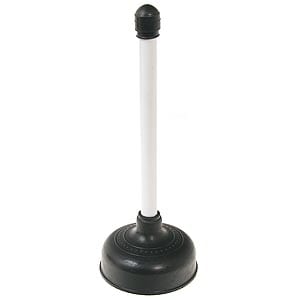
When you’re facing a clogged toilet, you may instinctively grab a plunger and start pumping up and down until the water goes down. But, if you don’t know how to plunge the toilet accurately, you may be dealing with this issue again sooner than you think.
To make sure that you don’t have to revisit this crisis in the future, it’s essential that you properly learn how to unclog a toilet, both with and without a plunger. Understanding these methods should be on every homeowner's plumbing checklist so that you can confidently unclog a toilet with ease, alleviating the stress and added costs that come with the trouble.
What Causes Toilets to Clog?
While a toilet itself is rather durable, the inner mechanisms of the unit are complex and can easily be damaged. If you flush objects down the toilet that are not designed to be disposed of, you could easily damage the pipes, flow of water, and other components.
Here is a list of things you shouldn’t flush down the toilet and other possible causes of clogs:
- Too Much Toilet Paper: Excessive use of toilet paper, especially in a single flush, can overwhelm the plumbing system, leading to clogs and blockages in the toilet pipes.
- Foreign Objects: Flushing items other than toilet paper, such as wet wipes, hygiene products, or foreign objects, can obstruct the toilet drain and contribute to clogs.
- Continuous Flushing: Frequent and consecutive flushing without allowing sufficient time for the toilet to clear can result in the accumulation of waste, causing a blockage in the drain.
- Clogged Sewer Line: Issues in the main sewer line, such as tree roots, debris, or foreign objects, can lead to toilet clogs as the wastewater faces difficulty passing through the blocked sewer line.
- Improper Toilet Installation: Incorrect installation of the toilet, including improper wax ring placement or faulty connections, may cause water and waste to back up, resulting in persistent clogs and plumbing issues.
Problems a Clogged Toilet Can Cause
Nobody wants to deal with an overflowing toilet. Stepping in putrid water is not only disgusting but also dangerous. From health problems to damage to your plumbing system, there are a number of problems a clogged toilet can cause, including:
- Health Risks: A clogged toilet can pose health risks as stagnant water and waste may become a breeding ground for bacteria and other germs, potentially leading to hygiene-related issues and illnesses.
- Foul Smells: The accumulation of waste and stagnant water in a clogged toilet can result in unpleasant odors, permeating the bathroom and adjacent areas, causing discomfort and hygiene concerns.
- Burst Pipe: If the clog is severe and the pressure builds up, it may lead to a vibrating and burst pipe. This can cause water damage, structural issues, and other problems within your system.
- Unusable Toilet: Perhaps the most immediate problem is that a clogged toilet makes the fixture unusable. This inconvenience can disrupt daily routines and other emergencies in your home.
How to Unclog a Toilet With a Plunger
Here is a step-by-step process on how to properly unclog a toilet with a plunger:
- Preparation: Before getting started, gather the necessary tools: a plunger, rubber gloves, and old towels.
- Turn Off the Water Supply: This is especially important if your toilet is overflowing. To cease the dangers of excess water, use the shut-off valve to turn off the water supply to the toilet.
- Position the Plunger: Place the plunger over the drain opening, ensuring a tight seal. The plunger cup should cover the drain completely.
- Create a Seal: Press down gently to create a seal between the plunger cup and the drain. Make sure the plunger is submerged in water.
- Plunge Up and Down: Firmly grasp the handle, push the plunger down, and then pull up in a vigorous motion. Repeat this up-and-down motion several times, maintaining the seal.
- Check for Drainage: After several plunges, check if the water begins to drain. If it does, continue plunging until the toilet flushes properly.
- Repeat if Necessary: If the clog persists, repeat the plunging process. It may take several attempts to dislodge the obstruction completely.
- Flush and Test: Once the water drains freely, flush the toilet and make sure the clog is completely emptied. Test with a small amount of toilet paper to confirm proper drainage.
- Clean and Dispose: Dispose of any waste or debris in a trash bag, and thoroughly clean the plunger before storing it.
How to Unclog a Toilet Without a Plunger
Do you not have a plunger at your disposal but still need a reliable way to unclog your toilet? There are various other methods you can use to achieve your goal. DIY plumbing can be difficult but also effective. Here’s how to unclog the toilet without a plunger:
- Baking Soda and Vinegar: Mix a cup of baking soda with a cup of vinegar, creating a fizzing reaction. Pour this mixture into the toilet bowl, allowing it to sit for about 30 minutes. The fizzing action helps break down and loosen the clog, making it easier to flush.
- Plumbing Snake or Auger: Insert the plumbing snake or auger into the toilet drain, turning the handle to navigate and break up the clog. The extended, flexible tool allows you to reach and manipulate the obstruction, providing a physical solution to unclog the toilet.
- Enzyme-Based Cleaners: Pour an enzyme-based toilet bowl cleaner into the bowl. These cleansers contain natural enzymes that split up organic waste, effectively dissolving the clog. Let the cleaner sit for the recommended time before attempting to flush.
- Wet/Dry Vacuum: Use a vacuum that is made for wet and dry cleanups to remove water from the toilet bowl. Seal the vacuum hose over the drain opening, creating suction to dislodge the clog. Be cautious not to damage the toilet bowl, and ensure the vacuum is suitable for wet applications.
When in doubt, it’s not a bad idea to call a plumber to unclog the toilet. Tiger Services, LLC is here to help you with all of your complicated plumbing and toilet problems. Reach out to us today if you need professionals to unclog your toilet.
Our team can also help you find and install a more water-efficient toilet. For help with any toilet services in Collinsville, Springfield, Bloomington, and Peoria, Illinois, contact us online to schedule an appointment.
Electrical safety issues are no joke, and serious injuries or death can occur if not handled correctly. You might not be aware of the electrical safety mistakes you're making everyday that put your family and home at risk.
Here are some of the most common electrical safety issues.
Power Cord Safety
Power cords can be real eyesores and tripping hazards. Like a lot of people, you might place furniture on top of your cords or run your cords under a rug to hide them. This is a fire hazard! The visual appeal is not worth the risk.
Blown Fuses and Tripped Breakers
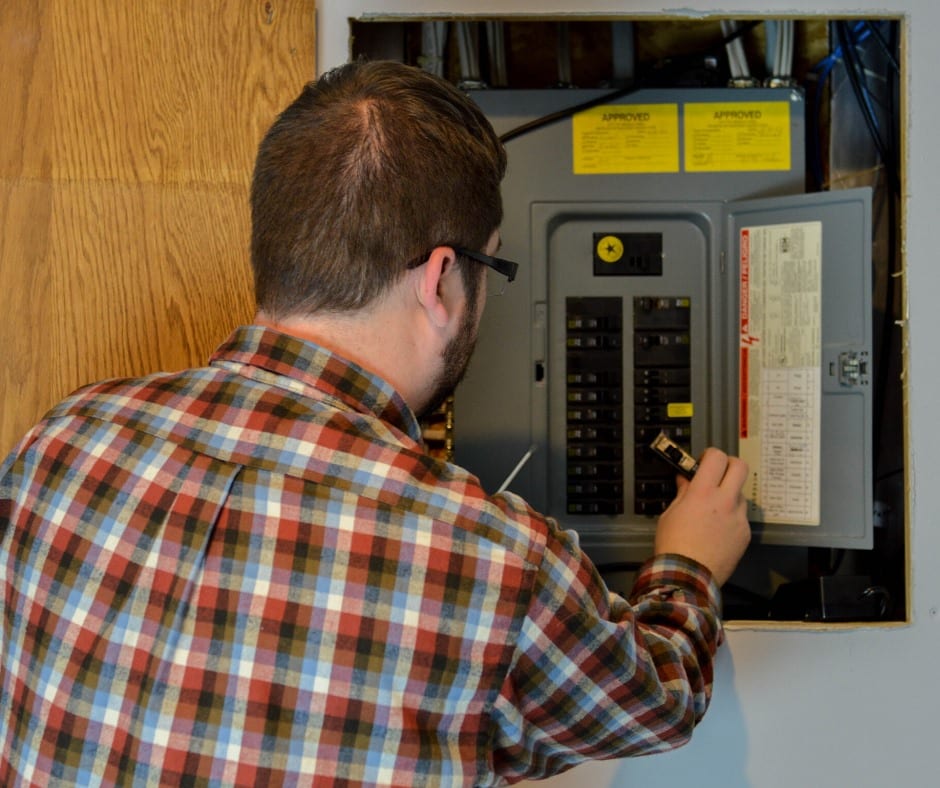
Whether you have an older home with a fuse box or a newer home with circuit breakers, constant malfunctions can be a sign of a much bigger problem. Fuses and breakers are sized to protect and handle the wiring of your home. Tripped breakers or blown fuses should not be ignored. If you're having issues, it's time to call an electrician to assess your situation.
Frayed Wires
Minor fraying or damage to power cords and wiring might seem like no big deal. In reality, frayed wires are a fire hazard and can pose huge safety risks to your family. Children and pets like to explore, and are at risk of shocking themselves if they get a hold of a damaged cord. If you have concerns about any frayed of damaged wiring in your home, don’t wait to call in a professional.
Grounding
Improperly grounded circuits put you and your family at risk of shock. Properly grounded circuits are especially important in damp locations such as the bathroom, kitchen, basement, and laundry room. If you're not sure if your circuits are properly grounded, have an electrician inspect them as soon as possible.
Electrical Fires
Electrical fires are extremely dangerous and can slowly burn for days before you notice. Flickering or dimmed lights, sizzling sounds, or a burning odor you can’t locate can indicate the beginning stages of an electrical fire. If you notice any of these in your home, call an electrician to inspect your wiring immediately.
Tip: Water should never be used to put out an electrical fire. Call the fire department right away!
Extension Cord Safety
Did you know most extension cords aren’t designed for long term use and should be unplugged when not in use? While extension cords are handy, they should never be used for large appliances such as dishwashers, washing machines, dryers, refrigerators, furnaces, and air conditioners.
Generator Safety
Most of the time, generators need to be installed by an electrician. You should not plug a generator into your electrical system yourself. This can cause damage to your appliances and create a fire hazard. At Tiger, our trusted technicians can help you choose and install the right generator for your home.
Electrical issues are always a concern for homeowners. The best way to prevent these issues is to call an electrician and receive an annual system checkup. For these safety inspections and all your other electrical repair and installation needs, give us a call or schedule service online. Trust Tiger to make sure the job gets done right!
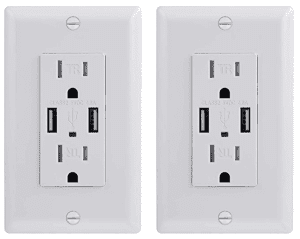
Bonus Tip: Overloading outlets, especially with mobile devices, can be hazardous. Contact our experts at Tiger and ask about our integrated USB outlets!
Boilers and furnaces are like cars: at some point you need to ask yourself if it will last another 10,000 miles or if you should park it for good. Here are some important aspects to consider when faced with the decision to repair or replace.
(more…)
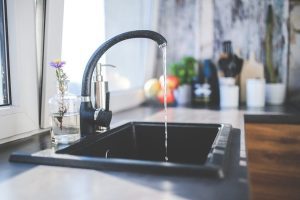
Leaky faucets are a pain, but you don’t have to live with it. You can fix the leak and, in the process, reduce your water bill by up to 10%!
Impact of leaks on water consumption
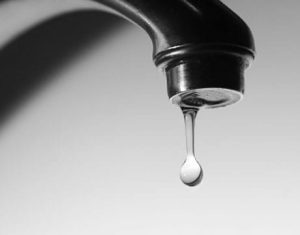
According to the US Environmental Protection Agency (EPA), a leaky faucet dripping at one drop per second wastes around 3,000 gallons of water in a year – money literally down the drain!

Types and of faucets why they leak
Compression faucets move a stem up and down to vary the gap between a rubber washer and valve seat. A worn washer or corroded valve seat may cause a spout leak. Replacing these solves the problem.
If the handle base leaks, the packing nut is usually to blame (the nut holds packing in place which supports the faucet stem). Start by tightening the nut. If that doesn’t work, replace the packing, nut or both.
Cartridge faucets use a stem cartridge to turn water on and off. They can be single lever type (where the lever is raised and lowered to control flow and rotated to control temperature), or dual lever (where each lever is turned to allow flow of hot and cold water). Cartridge faucets typically leak from the cartridge itself, which must be replaced.
Ball faucets have a single lever controlling a ball at its base. This ball has slots, which work with spring-loaded rubber seals to vary temperature and flow. Many components in a ball faucet can leak. Springs may need replacing, or the O-rings may be worn. You have to take it apart to diagnose the source.
Disc faucets use slots in two ceramic discs that align to mix hot and cold water: one disc is stationary and the other moves up and down and from side to side to control temperature and flow. These discs are enclosed in a cartridge so if it leaks, the cartridge must be replaced.
Tips for prolonging faucet life
Keep components clean to prevent corrosion. Soaking in or cleaning with vinegar is usually the best solution when it comes to descaling faucet components. This involves taking apart your faucet. If you’re doing it yourself, get the manufacturer’s diagrams and instructions if possible to make sure you don’t miss anything when you put it back together.
Don’t close compression faucets too tightly. If a leak starts you might be tempted to postpone repair and close the faucet tighter. This wears down the washer faster and damages the valve seat.
If mineral build-up continues to wear on sealing components, it might be necessary to install a water softener.

Some leaks need a professional hand
Sometimes, the best solution may be to replace the entire faucet. If you’re tired of losing sleep over a leak, give us a call or schedule service online.

When winter rolls around, a working furnace is a top priority as the outdoor temperature falls. Here are some tips for making sure you’re not faced with a furnace breakdown this winter.
Clean or Replace Filters
Dirty filters will cause your fan to work harder to push air throughout your house. Replacing filters regularly will help prevent a fan from working too hard and breaking down.
Check Blower Motors
Dirty blowers have to work harder to push the same amount of air, and motors can burn out if not maintained. Start with a visual inspection to make sure there's no sign of rust or debris. Also check the fan belt to make sure it’s not too loose. If the blower makes noise when it's on, call a professional to do a more thorough inspection on your furnace.
Clean or Replace Burners
Be sure to clean your burners to ensure they work at maximum efficiency. Observe the flame color, which should be blue. A yellow flame points to poor combustion which produces toxic gases like carbon monoxide. Verify that all burners are working and call a professional to have faulty burners replaced.
Replace Heat Exchangers
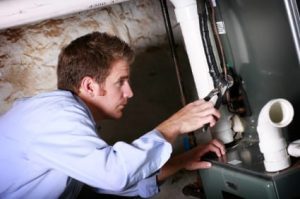
When a furnace burns gas, the heat is transferred to the air blowing throughout your house though a heat exchanger. Over time, this component can corrode, placing you at risk for flue gases entering your home. Do a visual inspection for signs of corrosion. If you see evidence of holes or cracks, call in a professional to replace it immediately.
Check Furnace Controls
Make sure your furnace responds when you adjust your thermostat. It should come on when you increase the set point above the room temperature, and should turn off when the temperature reaches the desired set point. A furnace that fails to come on and off when needed can be the result of a faulty onboard control system. Have a technician look at both your thermostat and the furnace itself.
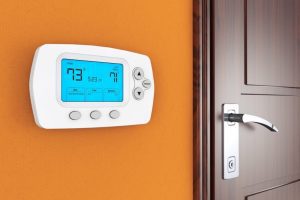
When to Upgrade Your Furnace
There will come a time when maintenance and repair won’t be enough to keep your furnace running. Consider upgrading if gas usage climbs despite milder weather or efforts to use less heat, or if you find yourself spending too much time and money on repairs.
Water conservation is an increasingly critical issue as we consume more and more of our freshwater supplies. The key is to use less water without sacrificing daily activities. Low flow fixtures like shower heads, toilets and faucets allow for regular use with less consumption.
Regular toilets use 1.6 gallons per flush while high efficiency models use 1.28 gallons per flush. Low flow faucets use 30% less than regular flow faucets, from 2.2 gallons per minute (gpm) down to 1.6 gpm.
Here are the benefits of choosing low flow fixtures for your home if you’re renovating or need to do replacements.
Less consumption and lower bill
Low flow faucets use technology like aerators to limit flow by mixing air into the water stream. Toilets use gravity or pressure assistance to achieve similar results. Reducing your water use then saves you money with a reduced bill. You’ll also save on your energy bill because you’ll use less hot water.
Aesthetics
Modern low flow fixtures come in multiple styles to suit your taste and design needs for your home. Even if you want an older look, manufacturers provide a wide range of options so you’re not limited to one style of fixture.
Environmental benefits
We share many fresh water sources like rivers and lakes with ecosystems that rely on that same water. Moving towards low flow fixtures allows us to conserve water for the flora and fauna to thrive in these areas.
Water security
Some parts of the world are already experiencing the threat of water shortage. As consumption increases, the risk of being unable to access clean, safe drinking water increases with it. Switching to low flow fixtures will allow for sustainable, long term availability of this vital resource.
Less waste water
Most of the water we use will eventually end up down the drain. This water has to be treated and returned to rivers, lakes and the sea. This treatment consumes energy and has limited capacity. Less consumption means less waste to be treated.
Less water softening or filtration
If you live in an area with hard water that requires a water softener or any other consumable filtration system, you will know that the more water you use, the more salt you need for softening. For whole house filtration, you will change filters more frequently. Switching to low flow fixtures allows you to use less of this while saving on the water itself.
If you want to reap the benefits of low flow fixtures, give us a call and we can service all of your plumbing needs!
If you have any plumbing needs, schedule service online, or simply call us at: (877) 552-2326
Plumbing systems might not have many moving parts but they do have a life span. After years of continuous use, your plumbing components need to be replaced.
Here are some signs that you need to upgrade your plumbing.
Your faucets keep leaking

The components in a faucet are exposed to rushing water several times a day. Switching them on and off also causes wear and tear. You can choose to replace components but there comes a time when it makes more sense to replace it. If you find that it leaks a short time after you repair it, you're better off with a replacement.
You keep sprouting leaks in your piping
Replacing piping isn't pleasant. But neither is water damage from a failed system. If you have to deal with leaks in different sections of your piping system, it may be time for an overhaul. You may also benefit from upgrading to safer and more robust piping materials.

Your water looks, smells or tastes funny
If the appearance of your water starts to change and you've ruled out municipal supply issues, your pipes may be corroding and leaching into your water. Materials like lead won't affect the taste or smell but if someone in your home shows symptoms of lead poisoning, you'll need to replace your piping or fittings.
You see scale buildup
If you see scale buildup on your faucets and shower head, chances are that you have deposits inside your piping as well. Pay attention to whether you start having issues with flow, even after cleaning and flushing. You may need to replace some of your plumbing pipework.
Your sewage system keeps backing up
There are multiple reasons for a backed up sewer but if you're having reoccurring problems, you may need to replace a portion of your piping. Damaged or collapsed piping can prevent proper flow. The other possibility is that your system might not be sized correctly. If a bathroom was added without the proper assessment and upgrade, the sewage system may become overwhelmed.
Hot water that ain't so hot
Water heaters need proper maintenance to keep the water at the right temperature. If you keep on top of it, your water heater can last many years. If, however, the temperature starts dropping off, you may want to upgrade to a new, more efficient water heater. You'll save on utility costs and reduce your frustration.
Talk to a professional about the age of your system and whether it may be time for an upgrade. This applies especially to systems containing toxic materials like lead and zinc. If you need help upgrading your plumbing, give us a call.
If you have any plumbing needs, schedule service online, or simply call us at: (877) 552-2326
It’s been a very wet couple of days, how’s your sump pump holding up? If you are like a lot of people in the area, you are about to find yourself standing knee-deep in dirty rainwater. Basement flooding is an expensive and stressful side effect from all this rain we’ve been getting. This is especially true if you have a finished basement since mold can flourish in wet insulation.
The key to avoiding all of the havoc and high cost, which accompanies the hassle of a flooded basement, is to make sure your sump pump is prepared to keep up. Your poor sump pump has been working overtime and it’s time you gave it a little TLC. Most basement floods are the result of a sump pump that failed or just couldn’t handle the amount of water it was meant to pump out. Just because your sump pump hasn’t failed you so far, doesn’t mean you’re not in for a huge, messy surprise.
You can help prevent a basement flood from happening to you this summer by following the four simple steps on this checklist, meant to keep your sump pump from giving up on you:
Sump Pump Checklist
- Screen: All sump pumps have a screen that allows water to flow through. When this screen becomes clogged, water will no longer flow through. If the water can’t flow through the screen fast enough, it will back up and overflow, causing a flood. Checking to make sure your sump pump screen is not becoming clogged will ensure that water can continue to flow freely.
- Switch: The switch on your sump pump could be damaged or become stuck. If this happens, the switch may fail or function improperly, causing flooding issues. Checking your switch on a regular basis will clear away any debris that may become stuck to the switch and cause it to be damaged. Make sure that the switch is not being shoved against the side of the basin, helping to ensure it doesn’t become stuck.
- Circuit Breaker: If the circuit breaker your sump pump is connected to trips during a rain storm, your basement could flood very quickly. Prevent this from happening by making sure that your sump pump is connected to its own breaker. Don’t overload the circuit breaker with other large appliances and make sure you ground your circuit breaker with a fault interrupter.
- Sump Pit: If the pump impeller or the discharge tube in the sump pit becomes clogged, major flooding can occur. While checking the screen, check the sump pit for mud or debris, which might cause a clog.

Still Need Help?
Taking the time to check these four items off of your sump pump checklist will really save you a lot of time and money down the road. If you’ve completed this checklist and you’re still concerned about the state of your sump pump, you may consider adding a backup. Do you have a sump pump that runs regularly or is the potential for large amounts of rain to fall in your area? Installing a backup will help keep your basement dry.
If you need help to keep your plumbing in working order, we can work with you to prevent any issues from happening. Give us a call at (877) 552-2326 or Schedule A Service with one of our plumbers!