






Blog
What Causes an Air Conditioner to Freeze Up?
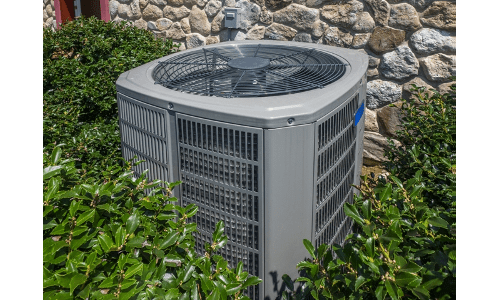
An air conditioner freeze up is a common sign that something is preventing your cooling system from operating correctly. Problems with airflow, refrigerant, or mechanical components can allow ice to form on the evaporator coil, reducing cooling, increasing energy use, and placing extra strain on the system. This guide explains the most common causes of an AC freeze-up, warning signs to watch for, and when it's time to contact an HVAC professional.
Low Airflow
Restricted airflow is the leading cause of an air conditioner freezing. Your evaporator coil depends on a steady flow of warm indoor air to absorb heat. When that airflow slows down, the coil becomes too cold and moisture in the air begins to freeze.
Several problems can reduce airflow, including:
- Dirty air filters
- Closed or blocked supply vents
- Dirty evaporator coils
- Blower motor problems
- Damaged or restricted ductwork
Correcting airflow problems early helps restore normal cooling and prevents additional strain on your HVAC system.
Dirty Air Filter
A clogged air filter is one of the simplest and most preventable causes of a frozen air conditioner.
As dust and debris collect on the filter, less air reaches the evaporator coil. Without enough warm air moving across the coil, ice can begin forming during normal operation.
Checking your filter every month and replacing it when it becomes dirty is one of the easiest ways to reduce the chance of an air conditioner freeze up.
Low Refrigerant
Low refrigerant changes the pressure inside your air conditioning system, allowing the evaporator coil to become colder than it should. Moisture then freezes on the coil and gradually builds into thicker layers of ice.
Refrigerant does not wear out over time. If levels are low, the system likely has a leak that needs professional repair. Simply adding more refrigerant without repairing the leak will not solve the problem.
Dirty Evaporator Coils
Evaporator coils collect dust over time, especially if air filters are not replaced regularly.
When dirt covers the coil, heat transfer becomes less effective. The system struggles to absorb enough heat from your home, increasing the chance of ice forming while reducing overall cooling.
Routine maintenance includes cleaning the evaporator coil so the system can continue operating efficiently.
Blower or Fan Issues
The blower motor pushes air across the evaporator coil and throughout your home.
If the blower motor is failing or the fan is not moving enough air, the coil can become too cold and begin freezing. Weak airflow may also cause uneven temperatures, longer cooling cycles, and reduced comfort throughout the house.
These problems require a professional inspection to identify the failed component and restore normal airflow.
Thermostat or System Problems
Incorrect thermostat settings or equipment malfunctions can contribute to freeze-ups.
Running an air conditioner during unusually cool outdoor temperatures can create conditions where the evaporator coil becomes too cold. Faulty sensors or control problems may cause the system to continue running longer than intended, increasing the likelihood of ice buildup.
Signs Your AC Is Freezing Up
Several warning signs appear before the system stops cooling completely.
Watch for:
- Ice on the refrigerant lines or indoor unit
- Weak airflow from supply vents
- Warm air coming from the registers
- Water around the indoor unit after the ice melts
- Cooling cycles that last much longer than normal
If these symptoms continue, it's time to schedule a professional inspection before additional damage develops.
What to Do if Your AC Freezes Up
If your air conditioner freezes, turn the system off and allow the ice to thaw completely. Running the equipment while ice is present can place additional strain on the compressor and other components.
While the system is thawing, inspect the air filter and make sure supply vents remain open and unobstructed. If the problem returns after restarting the system, professional service is recommended to determine whether airflow restrictions, refrigerant leaks, or mechanical failures are responsible.
How to Prevent AC Freeze-Ups
Regular maintenance is the best way to reduce the chance of future freeze-ups.
Simple preventive steps include:
- Replace air filters regularly.
- Keep supply and return vents open.
- Schedule annual maintenance.
- Keep evaporator coils clean.
- Address airflow problems promptly.
Routine inspections through Tiger's Club membership help identify airflow restrictions, refrigerant issues, and worn components before they develop into larger repairs.
If your system continues experiencing repeated freeze-ups, it may be time to review signs you need to replace your AC or determine if central AC replacement is the better long-term solution.
Dealing with AC Problems? How Trust Tiger Can Help
Tiger has served Central Illinois since 1993 with licensed HVAC technicians who diagnose cooling problems accurately and recommend practical solutions based on your system's condition. Our team works on all major air conditioning brands and provides complete HVAC, plumbing, and electrical services when projects involve more than your cooling equipment.
Our cooling services include:
- AC installation in Collinsville
- AC replacement in Peoria
- AC repair in Springfield
- AC tune up in Bloomington
If you're experiencing repeated AC problems, visit our service areas to find the Tiger location nearest you. Contact Tiger today to schedule an inspection and restore dependable cooling to your home.