






Blog
What Temperature Should a Hot Water Heater Be Set At?

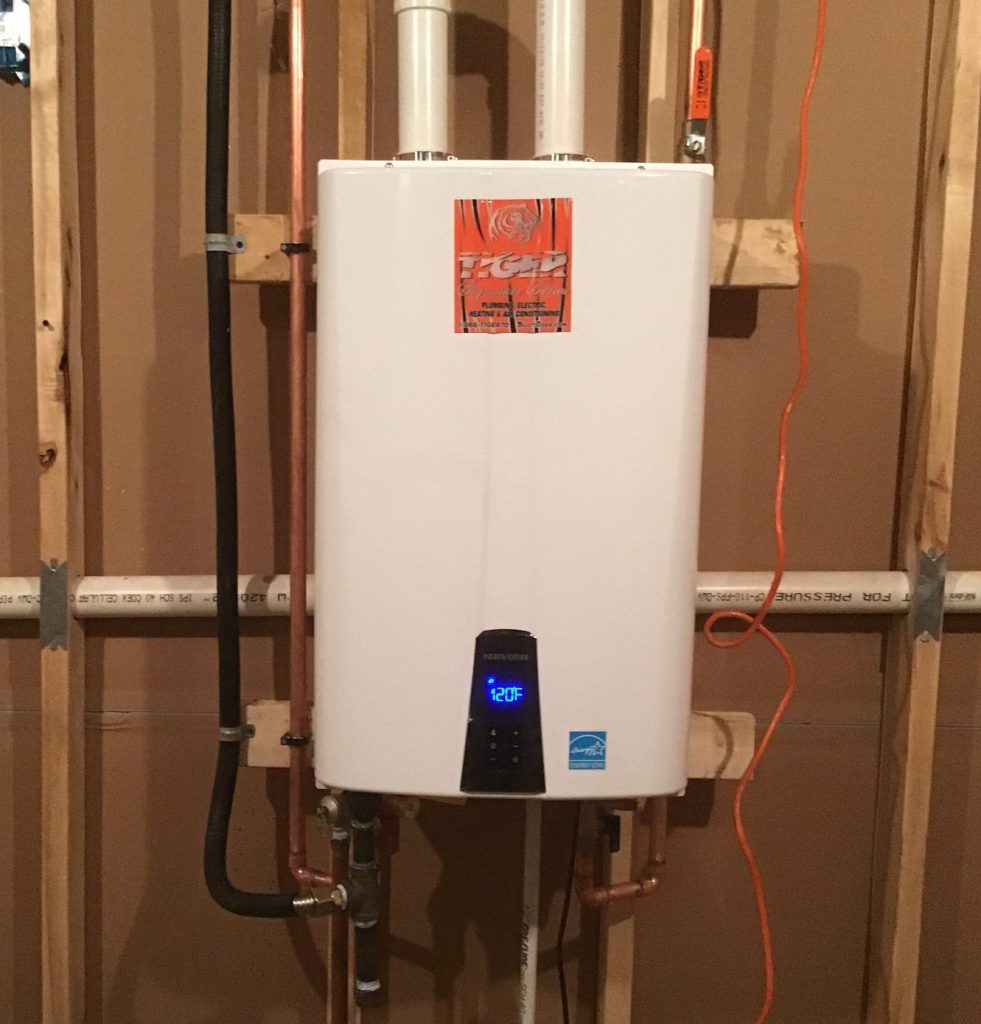
Most homes should keep the water heater temperature set to 120 degrees Fahrenheit. That setting gives households enough hot water for bathing, laundry, and cleaning while helping reduce scalding risks and unnecessary energy use.
The right water heater temperature can still vary depending on household size, appliance demands, and personal comfort preferences. In Central Illinois, homeowners depend on steady hot water through long winters, especially in older homes around Springfield, Bloomington, Collinsville, and Peoria where aging plumbing systems and older water heaters are still common.
Why 120 Degrees Fahrenheit Is Recommended
120 degrees Fahrenheit works well for most households because it balances comfort, safety, and operating cost.
At that temperature:
- Water stays hot enough for normal daily use
- Scalding risks are lower
- The heater uses less energy than higher settings
- The system experiences less strain over time
Factory settings on some water heaters are higher than 120 degrees. Lowering the thermostat slightly can help reduce utility costs without creating noticeable performance problems around the house.
When A Higher Setting May Be Needed
Some homes need slightly hotter water depending on how the plumbing system and appliances are set up.
A higher thermostat setting can help when:
- Large households use hot water at the same time
- Dishwashers do not have booster heaters
- Long plumbing runs cool water before it reaches fixtures
- Heavy winter demand lowers incoming groundwater temperatures
Higher settings also increase burn risks, especially for children and older adults.
Mixing valves help regulate water temperature at fixtures while allowing hotter water to remain stored inside the tank.
Should I set my water heater higher in winter?
Most homes in Central Illinois still perform well at 120 degrees during winter. If hot water starts running out faster during colder months, increasing the setting slightly can help support heavier seasonal demand.
Large increases are not recommended without understanding how the plumbing system and water heater are operating.
Safety Risks of Setting Water Heater Temperature Too High
Hot water burns skin much faster than most homeowners realize.
At higher thermostat settings, water can cause burns within seconds during bathing or handwashing. Children, older adults, and anyone with sensitive skin face a higher risk of injury from overheated water.
Water heaters set too high also place extra strain on the system and increase energy costs throughout the year.
If the water suddenly feels hotter than normal, the thermostat or heating components should be inspected before the problem gets worse.
What Happens If Water Heater Temperature Is Too Low
Water heaters set too low can create different problems around the house.
Lower temperatures can:
- Reduce available hot water
- Cause inconsistent shower temperatures
- Increase recovery time between uses
- Allow bacteria concerns inside stagnant water
Homeowners should avoid making major thermostat changes without understanding how the water heater and plumbing system are operating together.
In older homes near the McLean County Museum of History in Bloomington or neighborhoods near Historic Route 66 in Springfield, aging plumbing systems can also affect hot water delivery throughout the house.
What Water Heater Temperature Is Best for Energy Savings?
120 degrees Fahrenheit remains the best balance for energy savings and everyday use in most homes.
Higher temperatures force the heater to work harder and keep water hotter around the clock. Lowering the setting even slightly can help reduce monthly utility costs over time.
Sediment buildup inside the tank also affects its performance. Regular water heater maintenance helps remove buildup and keeps the heater operating more consistently.
Homeowners comparing older tank systems against a tankless water heater also ask about energy savings because on-demand systems only heat water while fixtures are in use.
How To Check Your Water Heater Setting
Checking the thermostat depends on the type of water heater installed in the home.
For gas systems:
- Locate the thermostat dial near the bottom of the tank
- Confirm the current setting
- Adjust the dial carefully if needed
For electric systems:
- Turn off power at the breaker
- Remove the access panel
- Check the thermostat setting
- Replace the panel before restoring power
Follow the manufacturer's instructions carefully before adjusting the temperature.
When To Call a Professional Plumber
If your water temperature keeps fluctuating, runs cold too quickly, or becomes dangerously hot, the system should be inspected before the problem gets worse.
Tiger Plumbing, Heating, Air Conditioning, & Electrical handles water heater repair in Collinsville, Springfield, Bloomington, and Peoria for homeowners dealing with inconsistent temperatures, sediment buildup, heating failures, and aging tank systems.
In older Central Illinois homes, sediment buildup inside the tank can shorten equipment life and reduce hot water performance over time. Regular water heater maintenance in Bloomington and surrounding areas helps reduce wear on older systems before larger repairs develop.
Homeowners near the Peoria Riverfront Museum and neighborhoods along I-74 also contact Tiger for inspections when older tanks stop keeping up with household demand. A professional plumber in Peoria can inspect the system, explain repair options, and help homeowners decide when water heater replacement makes sense.
Homeowners can also review our service areas or ask about the membership program for ongoing maintenance scheduling and priority service support.”
Contact us today.
Contact Us